
Need Help?
Our engineers can confirm the specification, voltage and shipping cost for your market.
Send Inquiry280 White Screen Mesh
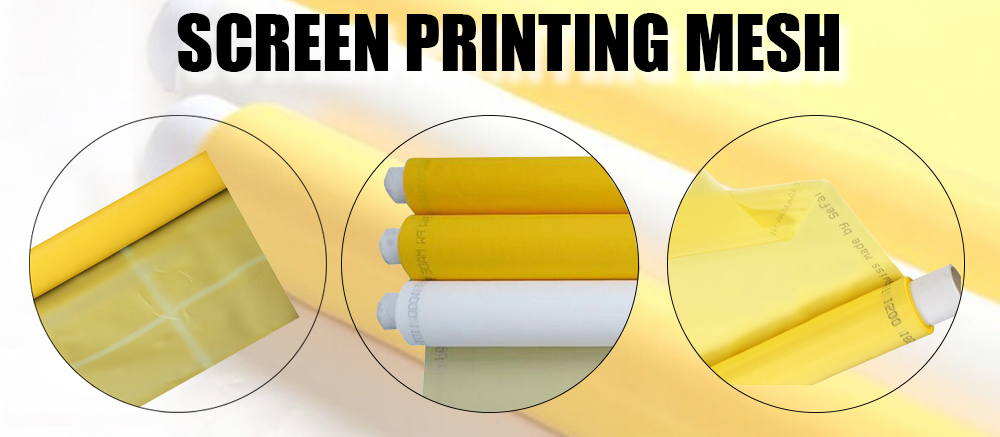
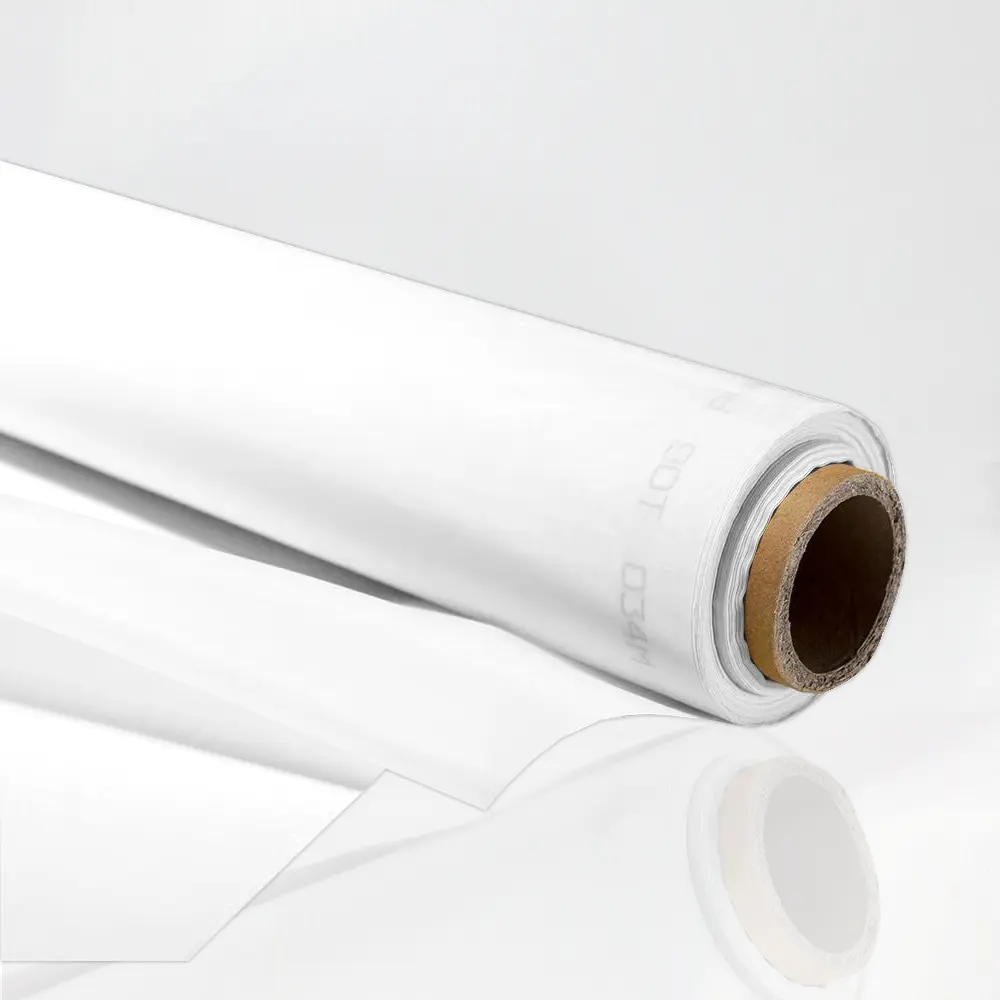
280 White Screen Mesh: Product Overview and Specifications
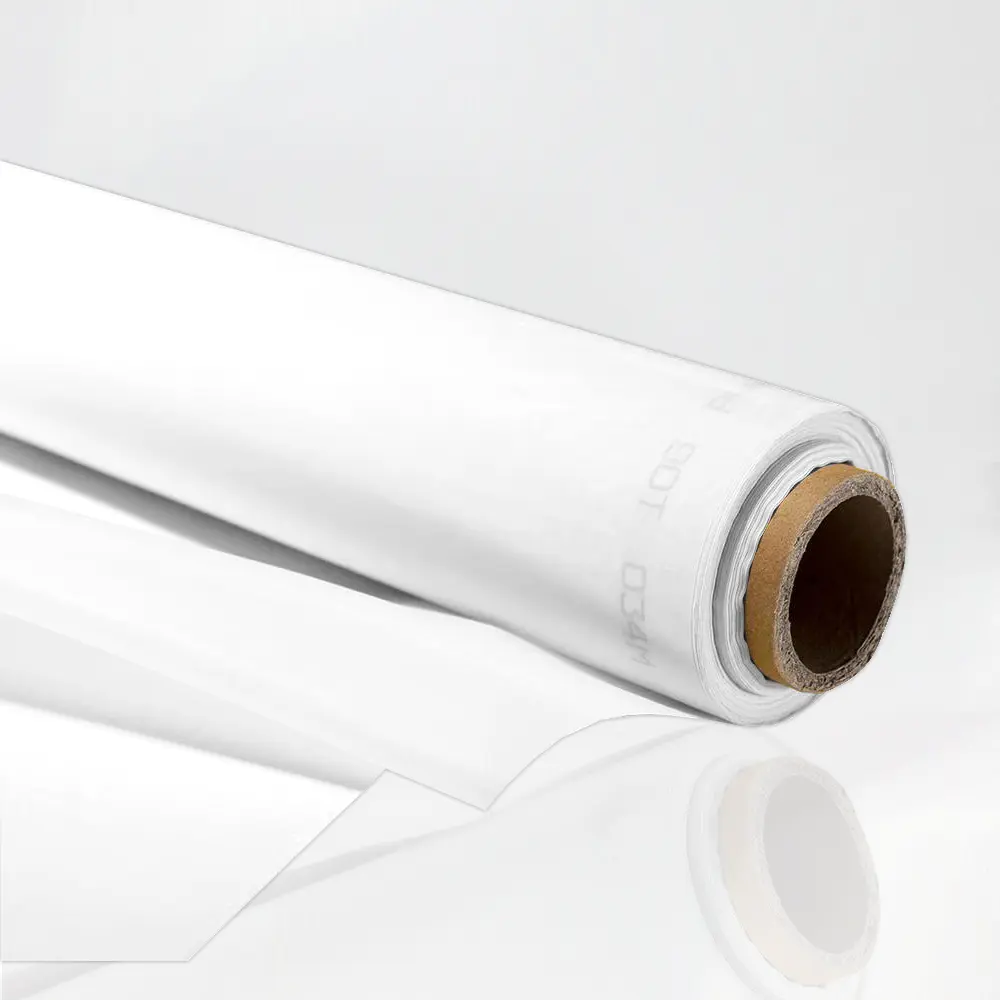
The 280 White Screen Mesh 40 Micron Thread – 50″x1m is a polyester screen-printing mesh identified by model JM-03. Its plain-woven construction and white color make it a practical option for screen-printing setups that require a consistent mesh surface. The product title specifies a 40 micron thread and the 50″x1m format. The specification information below also describes the broader JM-03 mesh range, including available mesh counts, wire diameters, apertures, widths, colors, and standard roll length.
Review the supplied specifications when matching the mesh to a frame, print design, ink, or production process. Mesh count and aperture are important selection considerations because different print applications call for different levels of ink passage and image detail. The available range supports varied screen-printing requirements, from general textile printing to finer-detail and process work.
| Model | JM-03 |
| Material | 100% polyester |
| Woven type | plain woven |
| Mesh count | 30-500 mesh/inch (13 T~165 T) |
| Wire diameter | 27-200 μm |
| Aperture | 23-680 μm |
| Width | 1.27 m, 1.65 m, 1.83 m, 2.30 m, 3.30 m, 3.60 m, etc. |
| Color | white, yellow, etc. |
| Standard length | 50 m/roll |
Construction and Operational Benefits
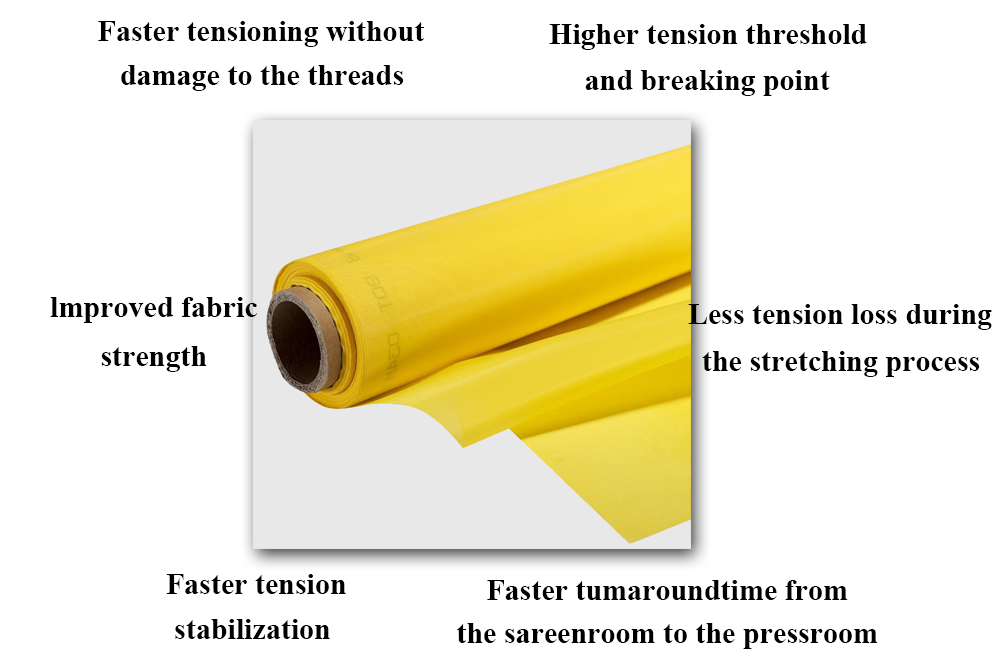
This screen mesh is made from 100% polyester using a plain weave. The product information highlights low elasticity and high tension, qualities that support a taut screen during setup and printing. Accurate, standard mesh is specified to help maintain uniformity across the fabric. For print operators, a consistent mesh construction is a useful basis for repeatable preparation and production, particularly when the same screen requirements need to be followed across a series of jobs.
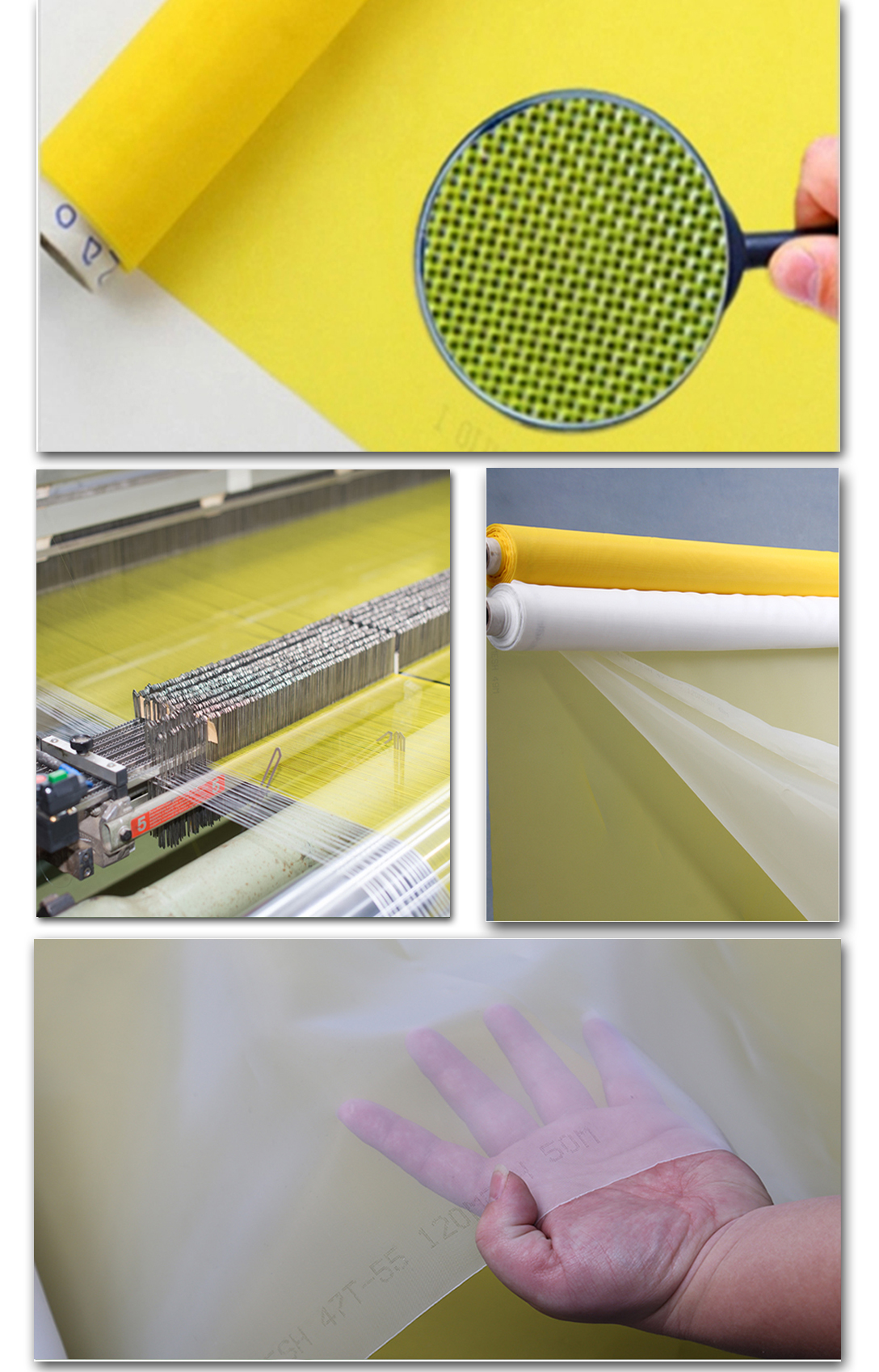
The mesh is produced using imported weaving machines and material, according to the supplied product details. It is also described as resistant to acid and alkali. These properties can be considered when choosing mesh for the intended working environment and process. As with any screen-printing material, select the mesh count and application according to the job requirements, and follow the practices used for preparing, handling, cleaning, and storing screens in your operation.
White and yellow colors are available, along with various mesh types for filtering, waterproofing, and printing functions. This range gives buyers flexibility when specifying mesh for different purposes. Confirm the required color, mesh count, width, and other order details before selection so the material aligns with the intended screen, equipment, and production workflow.
- Low elasticity and high tension.
- Accurate standard mesh to support uniformity.
- Made with imported weaving machines and material, as stated in the product information.
- Acid resistance and alkali resistance.
- Various colors and mesh types are available.
- Mesh options are listed for filtering, waterproofing, and printing functions.
Screen Printing Applications and Mesh Count Selection
The listed applications include ceramic, PCB, textile, glass, large poster, membrane switch, packing, screen, image, and medical equipment printing. This broad application range makes mesh selection an important part of preparing each job. Consider the substrate, image characteristics, ink, and desired print result when comparing available counts. The recommendations below provide a guide to the uses stated for different mesh counts; they are selection guidance rather than a substitute for checking the requirements of a specific process.
Choose the Right Mesh Count
- 60 mesh: A coarse mesh count for use with glitter inks.
- 86/90 mesh: Recommended for printing opaque white or light colors onto dark fabric to allow maximum opacity.
- 110 mesh: Recommended for general textile work, including printing light on dark and dark on light.
- 125/160 mesh: Recommended for general textile work with some finer detail or line work.
- 180/200 mesh: Listed for textiles, smooth and light fabric, half-tone, and general use.
- 230/250 mesh: Listed for textiles, extremely light material, graphics, and general use.
- 305/355 mesh: Listed for process work.
These recommendations help organize mesh choices by the type of printing task described. Coarser counts are identified for applications such as glitter ink or opaque printing on dark fabric, while higher listed counts include finer-detail, graphics, and process-work uses. Match the count to the intended job and verify that the selected mesh meets the requirements of the screen and production method.
Packing, Shipping, and Ordering Considerations
The standard length listed for the JM-03 range is 50 m per roll, and the specification table provides several width options. The product title identifies this item as 280 White Screen Mesh 40 Micron Thread – 50″x1m. When arranging an order, check the requested product format alongside the width, color, mesh count, and other specifications required for the application. This helps ensure that the selected material is suitable for planned screen preparation and printing work.
For day-to-day handling, keep the mesh organized and protect it from avoidable damage during preparation and storage. Use the appropriate handling and maintenance procedures for the specific printing process. Reviewing the product details before purchasing can also help production teams coordinate material selection across textile, graphic, industrial, and other listed printing applications.