
Need Help?
Our engineers can confirm the specification, voltage and shipping cost for your market.
Send Inquiry250 Yellow Screen Mesh 39 Micron Thread 50X1M
250 Yellow Screen Mesh: Product Overview and Specifications
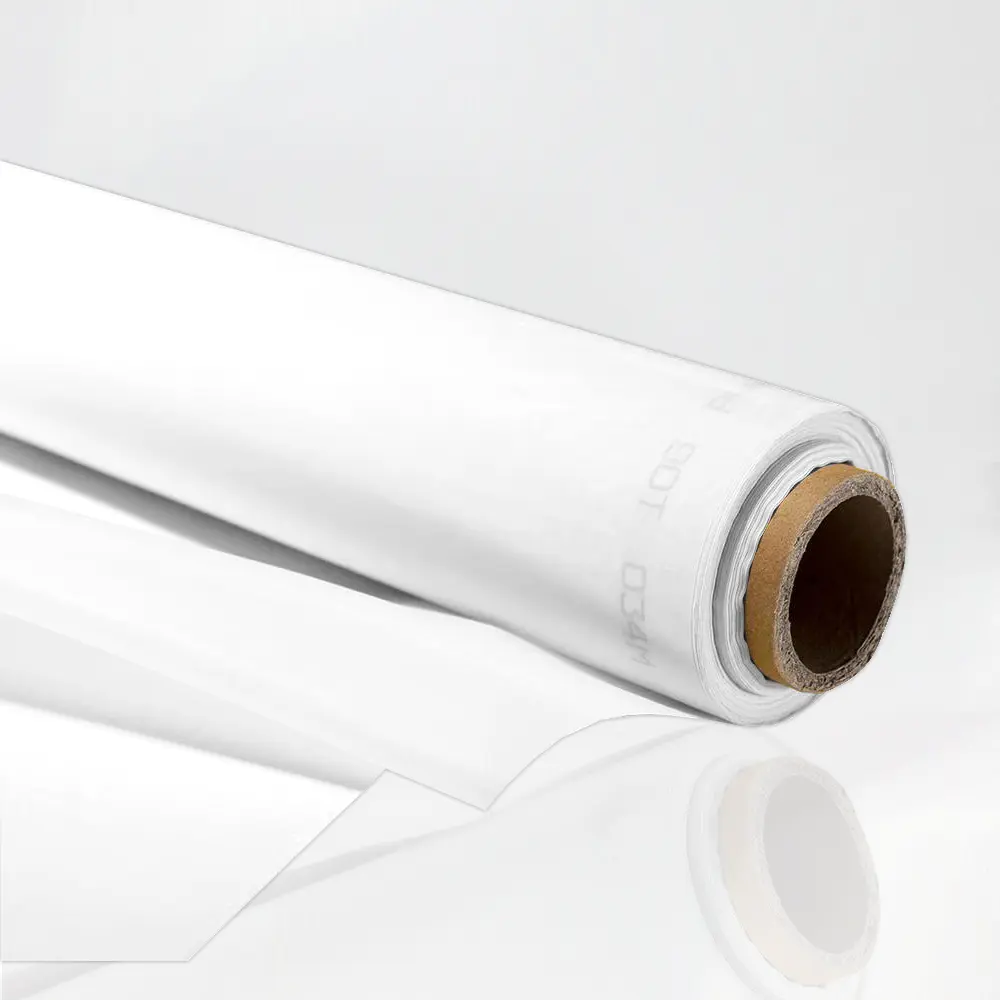
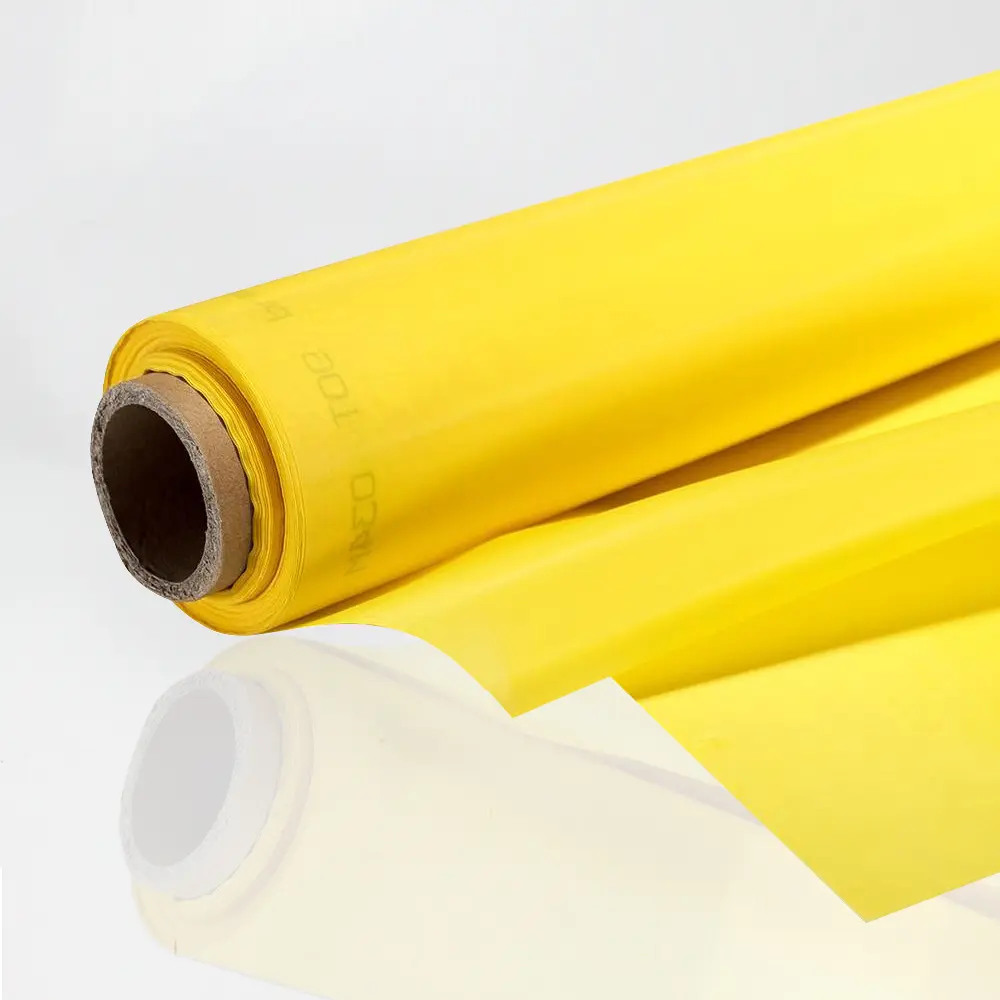
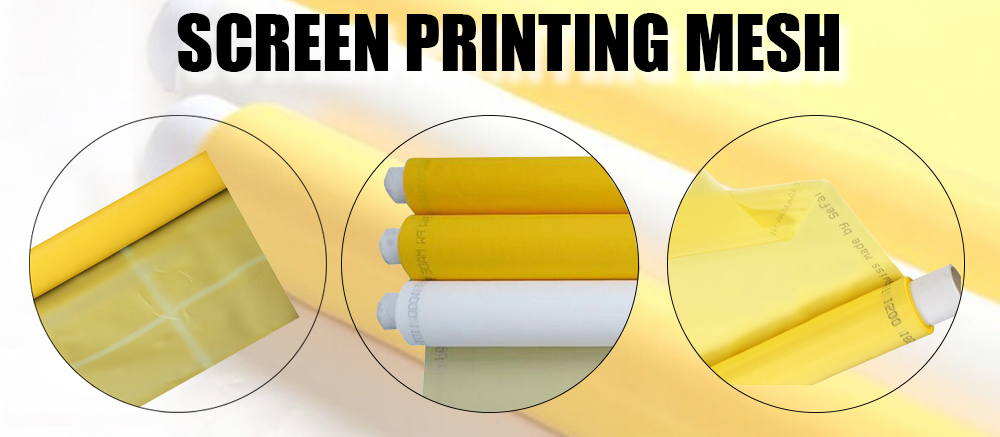
The 250 Yellow Screen Mesh 39 Micron Thread – 50″x1m is identified by its product title as a yellow screen-printing mesh in a 250 configuration, with 39 micron thread and a stated 50″x1m product size. The technical information below describes the JM-03 polyester screen mesh range. It includes a range of mesh counts, wire diameters, apertures, widths, colors, and roll length options, so refer to the listed product designation when identifying the specific configuration you need.
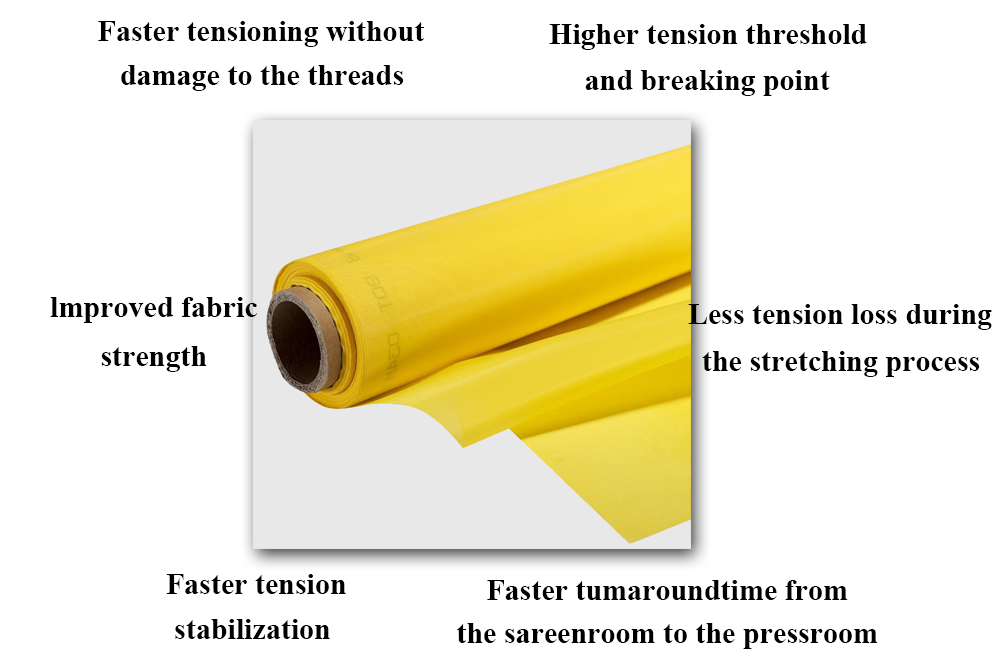
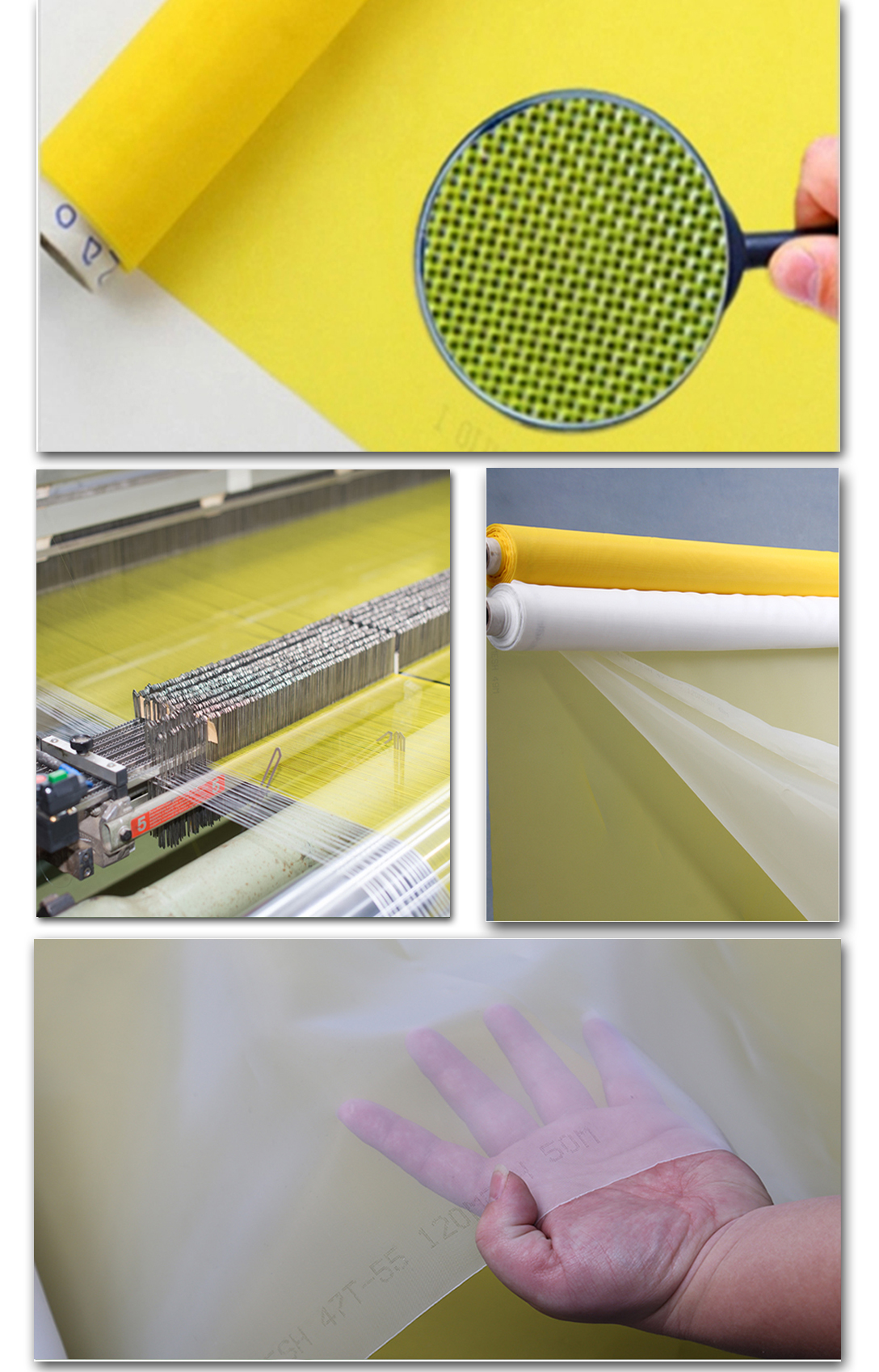
The mesh is made from 100% polyester and uses a plain woven construction. Its stated characteristics include low elasticity and high tension, with accurate standard mesh intended to support uniformity across the mesh. These construction details are relevant when planning screen preparation and print work: selecting a suitable mesh count and checking the screen against the intended application helps establish an appropriate starting point for a production process.
| Model | JM-03 |
| Material | 100% polyester |
| Woven type | plain woven |
| Mesh count | 30-500 mesh/inch(13 T~165 T ) |
| Wire diameter | 27-200 μm |
| Aperture | 23-680 μm |
| Width | 1.27 m, 1.65 m, 1.83 m, 2.30 m, 3.30 m, 3.60 m, etc |
| Color | white, yellow, etc. |
| Standard length | 50 m/roll |
The table presents the broader JM-03 range rather than changing the product title’s stated configuration. Mesh counts are listed from 30 to 500 mesh per inch, and the provided wire-diameter and aperture ranges show that the range covers differing mesh structures. Available widths are listed in metric measurements, and white and yellow are among the available colors. The standard length shown is 50 m per roll. Use these range details to compare requirements and confirm the exact option appropriate for a particular screen-printing setup.
Mesh Construction and Practical Features
This polyester mesh is described as having low elasticity and high tension. Those characteristics are useful considerations when preparing a screen, as a stable, uniformly woven mesh provides a consistent foundation for the selected printing task. The product information also notes accurate standard mesh for uniformity, along with imported weaving machines and material. These stated manufacturing features make mesh consistency an important point to consider when selecting material for repeatable screen preparation and production.
• Low elasticity, high tension
• Accurate standard mesh to support uniformity
• Imported weaving machines and material
• Acid resistance and alkali resistance
• Various colors are available
• Various mesh types are available for filter, waterproof, and printing functions.
Acid resistance and alkali resistance are listed product properties. The mesh is offered in various colors and mesh types, with applications described for filtering, waterproofing, and printing functions. For buyers comparing screen materials, these options make it possible to consider the required function and color alongside the count and opening characteristics. Confirm the intended use and the mesh specification before preparing a screen so the selected material corresponds to the requirements of the job.
Screen Printing Applications and Mesh Count Selection
Applications
Listed applications include ceramic, PCB, textile, glass, large poster, membrane switch, packing, screen, image, and medical equipment printing. This range of uses makes mesh selection an important part of preparing work across different substrates and print purposes. Consider the image or design, the material being printed, and the desired ink deposit when deciding which mesh count to use. The product information describes various mesh options for printing and related functions; it does not specify a single count as suitable for every application.
Choose the Right Mesh Count
The guidance below connects mesh counts with the uses stated in the product information. Use it as a selection reference when comparing general printing needs, rather than as a substitute for checking the full requirements of a specific job. The product title identifies this item as a 250 mesh configuration, while the guidance also covers other counts across textile and process applications.
60 Mesh - A coarse mesh count for use with glitter inks.
86/90 Mesh - Recommended for printing opaque white or light colors onto dark fabric to allow maximum opacity.
110 Mesh - Recommended for general textile work, printing light on dark and dark on light.
125/160 Mesh - Recommended for general textile work with some finer detail or line work.
180/200 Mesh - Textiles; smooth and light fabric, half-tone, general.
230/250 Mesh - Textiles; extremely light material, graphics, general.
305/355 Mesh - Process work.
For example, the supplied recommendations associate 60 mesh with glitter inks and 86/90 mesh with opaque white or light colors printed onto dark fabric. The guidance identifies 110 mesh for general textile printing in either light-on-dark or dark-on-light applications, while 125/160 mesh is suggested for textile work involving some finer detail or line work. The 180/200 mesh notes include smooth and light fabric, half-tone, and general textile work. The 230/250 mesh guidance refers to extremely light material, graphics, and general use, while 305/355 mesh is listed for process work. Match the selection to the job rather than assuming one mesh count covers all print needs.
Packing and Ordering Considerations
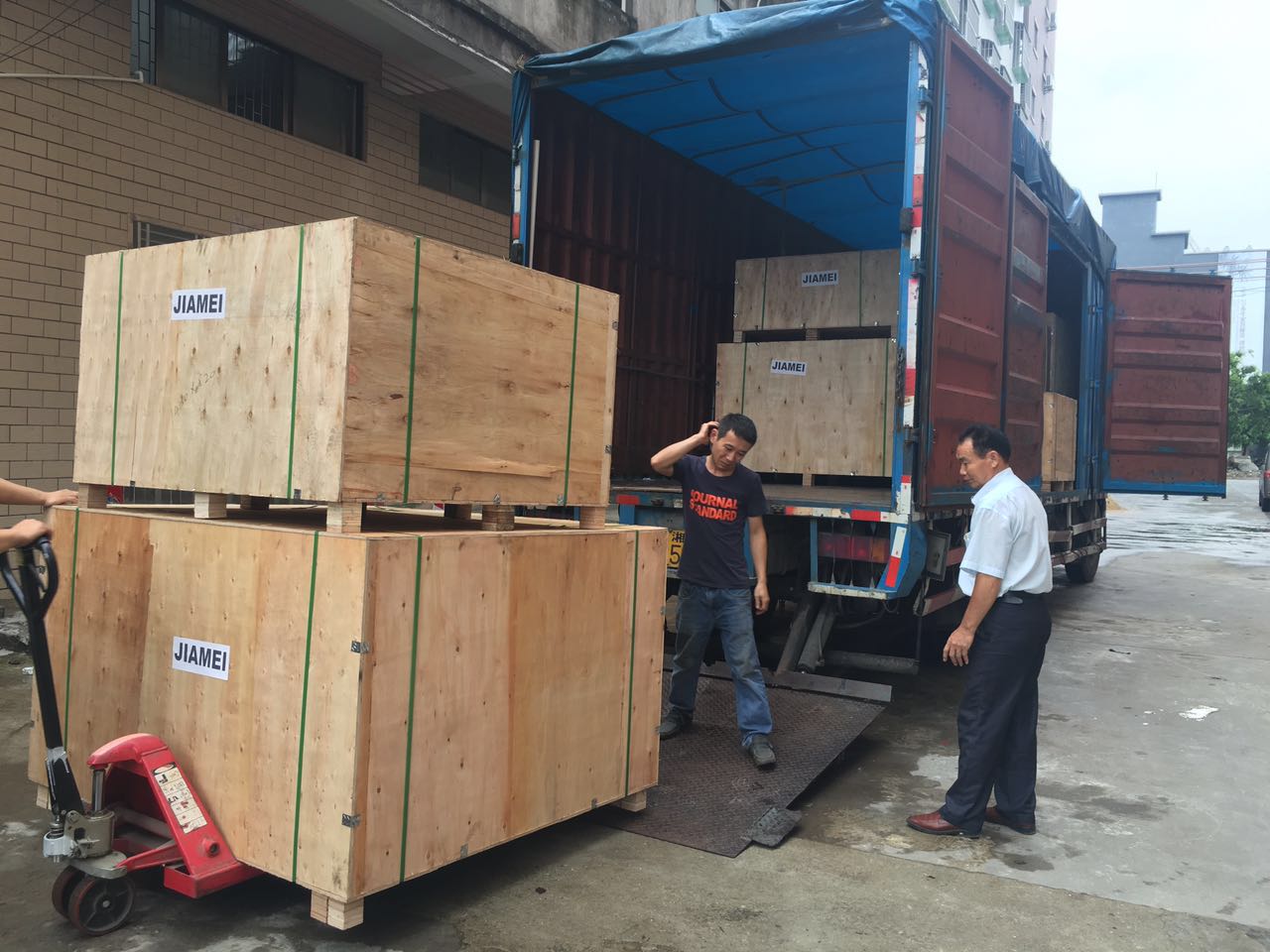
The product information includes a packing and shipping image and lists a standard length of 50 m per roll for the JM-03 range. The product title separately identifies the featured 250 yellow mesh as 50″x1m. When planning a purchase, use the title to identify the featured configuration and review the specifications for the broader range to confirm the required mesh, color, and format. Checking the intended application and the stated product details before ordering helps align the selected mesh with screen preparation and production requirements.