
Frequently Asked Questions
Ordering from JIAMEI SCREEN
Prices, lead times, payment terms, packing and after-sales support — the questions we are asked most by overseas buyers.
Our prices change with the supply of raw materials and other market factors. We will send you an updated price list once your company contacts us with the model, size or quantity you need.
Yes, all international orders have an ongoing minimum order quantity. If you need to resell in much smaller quantities, tell us what you are planning and we will recommend the closest stock item or mixed container option.
Yes. We can provide most documents including Certificates of Analysis / Conformance, insurance certificates, certificates of origin and other export documents where required.
For samples the lead time is about 7 days. For mass production it is 20–30 days after we receive the deposit. Lead times start when (1) the deposit has arrived and (2) we have your final approval of the products. If our lead time does not fit your deadline, please discuss it with your sales contact — in most cases we can adjust the schedule.
You can pay by bank transfer, Western Union or PayPal: 30% deposit in advance and 70% balance against the copy of the bill of lading.
We warrant our materials and workmanship. Our commitment is to your satisfaction with the products, and in warranty or not it is part of our company culture to resolve every customer issue to everyone's satisfaction.
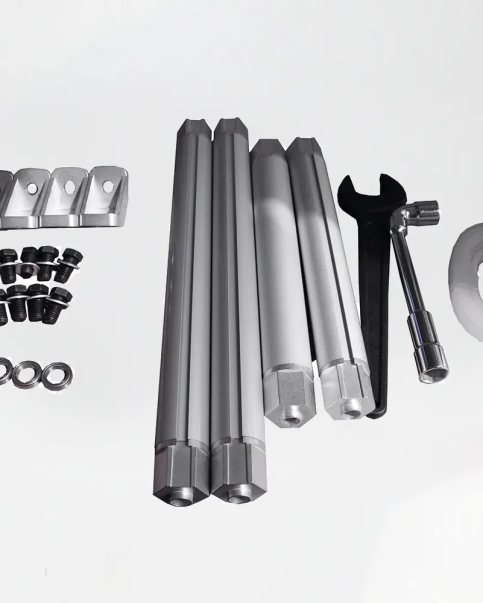
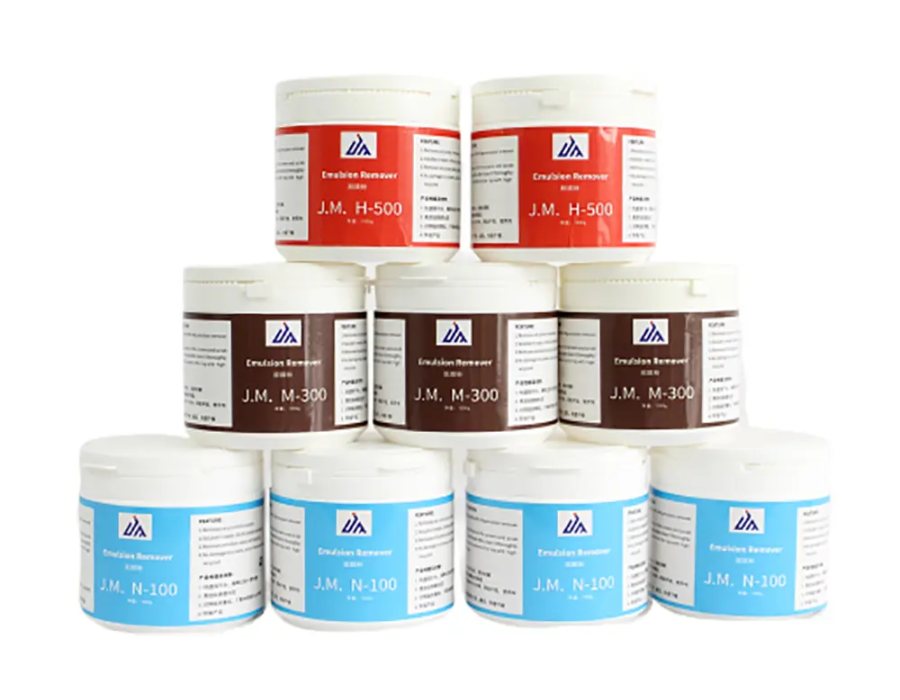
Yes. We always use high-quality export packaging, specialised packing for dangerous goods and validated temperature-controlled shipping where it is required. Special or non-standard packing requirements may incur an additional charge.
The shipping cost depends on the method you choose. Express is usually the fastest but also the most expensive; sea freight is the best solution for large quantities. We can only quote exact freight rates once we know the volume, weight and shipping method — please contact us for details.
DTF printers work on cotton, polyester, blends, nylon, leather, canvas, denim and many specialty fabrics, which makes them extremely versatile.
No. When applied correctly, DTF prints resist cracking, fading and peeling even after frequent washing.
No pretreatment is needed. This is one of the biggest advantages over DTG printing: it saves time and reduces production cost.
Yes. DTF printers need little maintenance, support small-batch orders and offer a fast return on investment, which makes them ideal for startups and custom apparel businesses.
Still have a question?
Send it to our engineers and we will answer within 12 working hours.
Contact Us