
Need Help?
Our engineers can confirm the specification, voltage and shipping cost for your market.
Send InquiryWhite Screen Mesh 33 Micron Thread
33 White Screen Mesh 140 Micron Thread: Product Overview
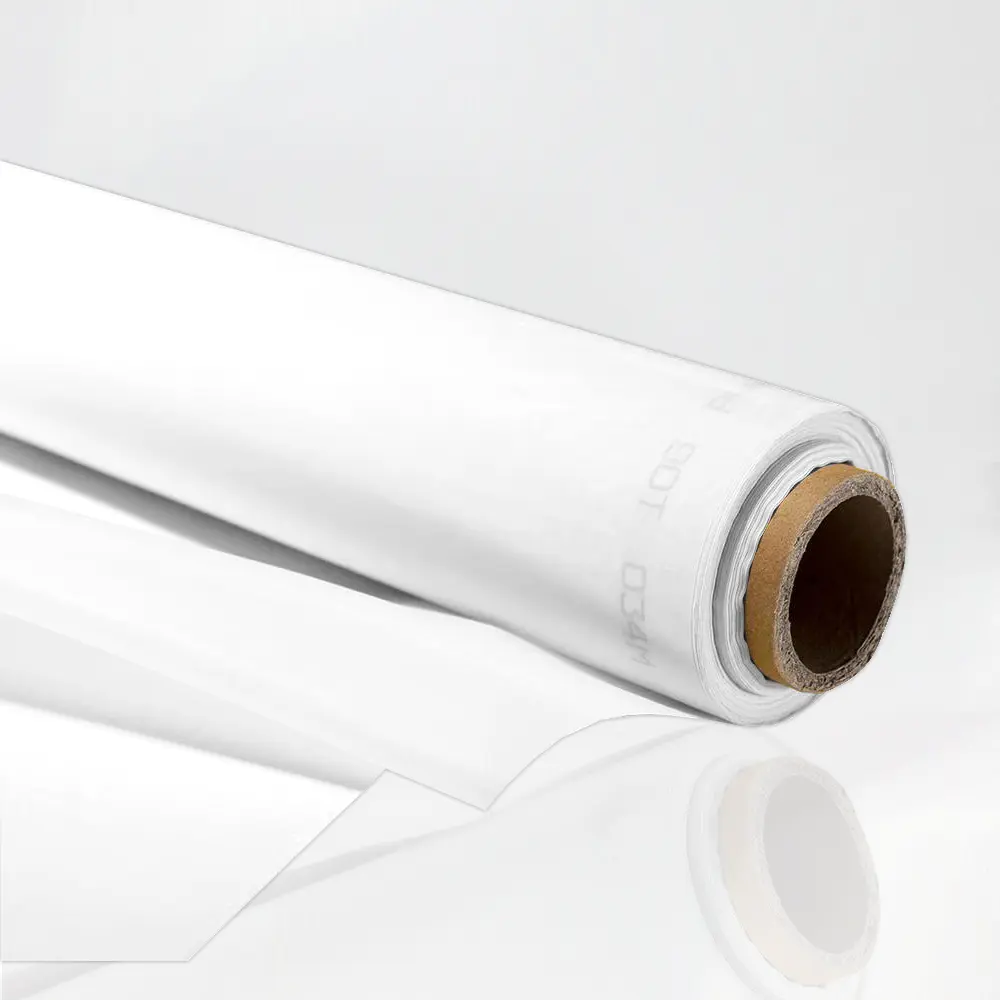
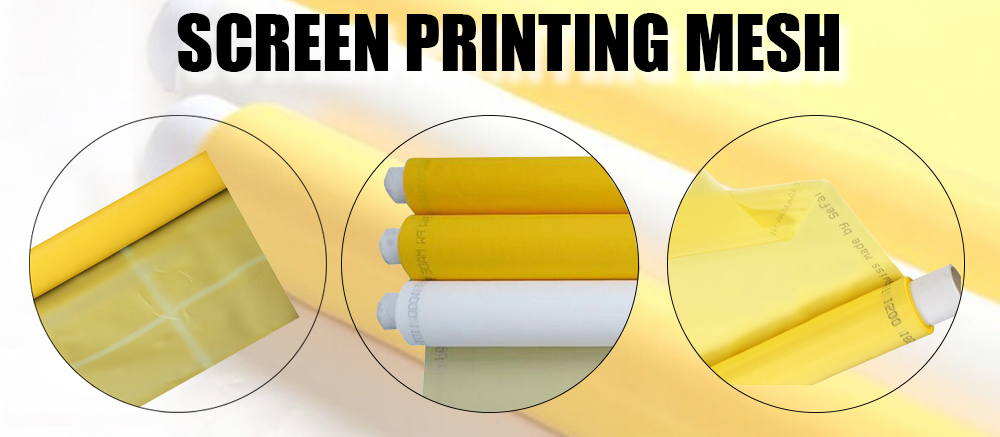
The 33 White Screen Mesh 140 Micron Thread – 50″x1m is a polyester screen-printing mesh identified by model JM-03. Its plain woven construction and white color make it a versatile material option for screen-printing workflows. The product title identifies this selection as 33 white mesh with a 140-micron thread and a 50″x1m format. The specifications below describe the broader JM-03 mesh range, including available mesh counts, wire diameters, apertures, widths, colors, and standard roll length.
Review the listed details when comparing mesh options for a particular print process. Mesh count, wire diameter, and aperture are useful selection considerations because they describe different aspects of the woven screen. The available range lets buyers consider the mesh in relation to the material, image detail, and production task rather than treating every screen-printing application as identical.
| Model | JM-03 |
| Material | 100% polyester |
| Woven type | plain woven |
| Mesh count | 30-500 mesh/inch(13 T~165 T ) |
| Wire diameter | 27-200 μm |
| Aperture | 23-680 μm |
| Width | 1.27 m, 1.65 m, 1.83 m, 2.30 m, 3.30 m, 3.60 m, etc |
| Color | white, yellow, etc. |
| Standard length | 50 m/roll |
These specifications support practical sourcing and planning. The polyester material and plain weave identify the mesh construction, while the published mesh-count, wire-diameter, and aperture ranges provide reference points for selecting a suitable screen. Widths and standard roll length are included to help production teams assess material requirements and available supply formats. The color options listed are white and yellow, among others.
Mesh Construction and Operational Benefits
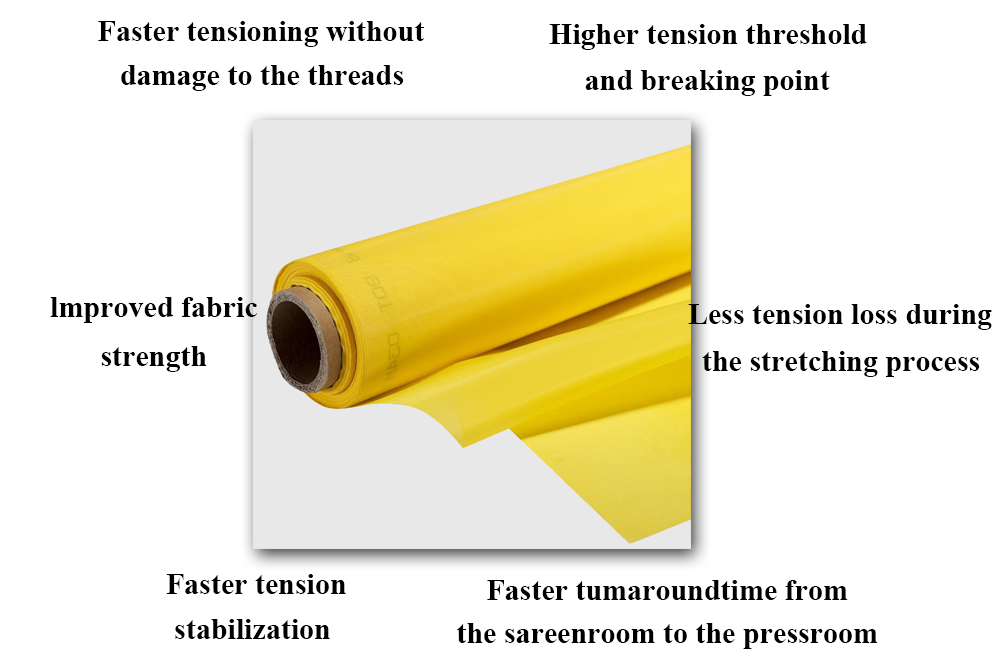
• Low elasticity and high tension help the mesh remain suitable for demanding screen-printing setups. Matching the screen characteristics to the job can support consistent handling during preparation and printing.
• Accurate standard mesh helps provide uniformity across the woven material, an important consideration when preparing screens for repeatable work.
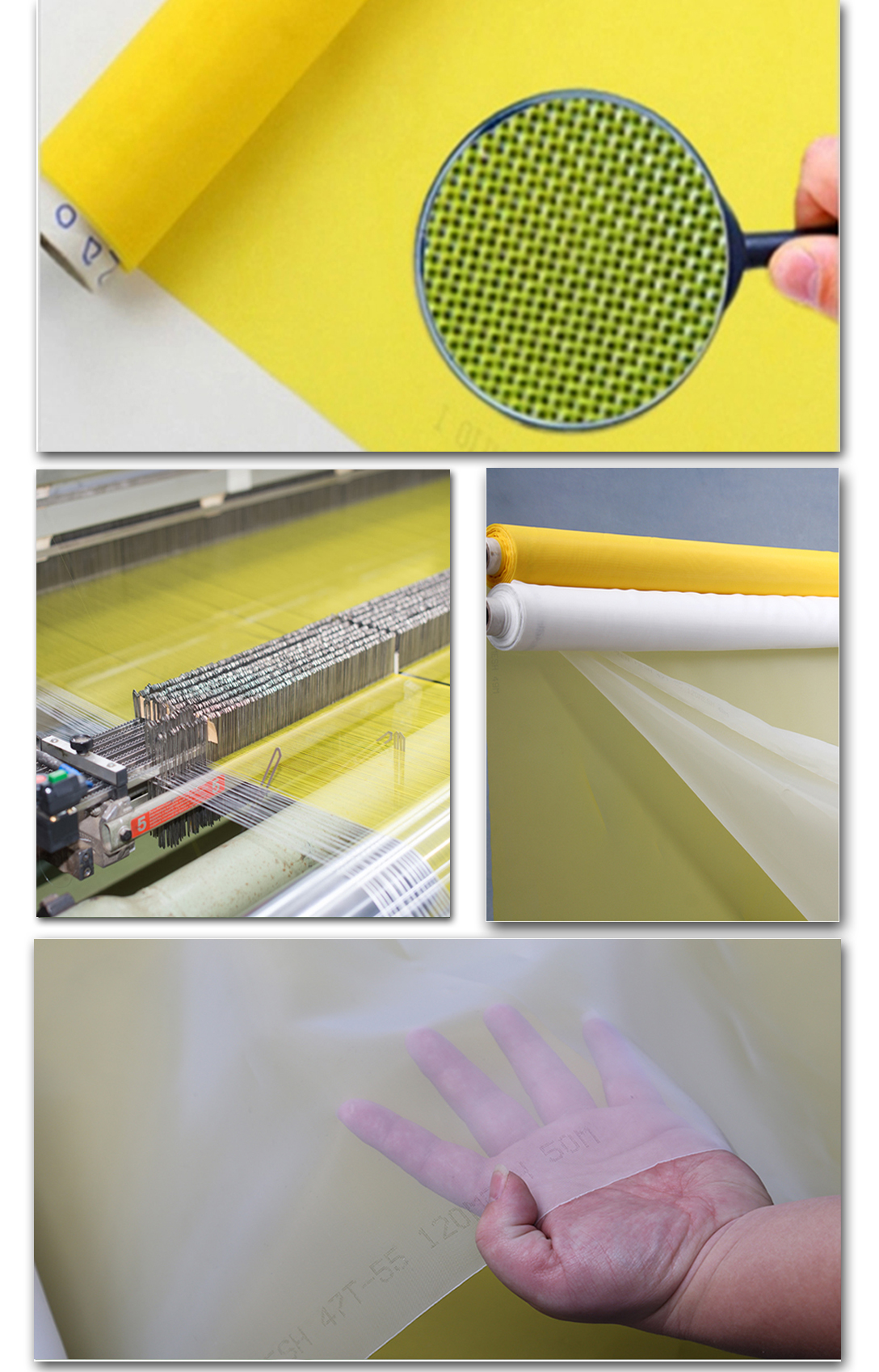
• Imported weaving machines and material are used in production, as stated for this mesh range.
• Acid resistance and alkali resistance are listed properties. Choose and handle the mesh in line with the requirements of the specific printing process.
• Various colors are available, giving buyers options when selecting screen mesh for different workflows.
• Various kinds of mesh are available for filter, waterproof, and printing functions. Confirm the required mesh type and intended use when planning an order.
For everyday production, selecting a mesh that fits the intended ink, substrate, and image detail can help make screen preparation more straightforward. Keep mesh identification and job requirements together during setup so the chosen material can be matched to the task. After printing, follow the cleaning and handling practices appropriate to the materials used, and inspect the screen for residue or visible damage before storing it. These routine steps help teams manage reusable screens and prepare them for subsequent jobs without changing the product’s stated technical specifications.
Screen Printing Applications and Mesh Count Selection
APPLICATION
This screen mesh range is applicable to ceramic, PCB, textile, glass, large poster, membrane switch, packing, screen, image, and medical equipment printing, among other uses. These application areas cover a variety of substrates and production requirements. Consider the design, print material, and desired process when selecting a mesh option, and refer to the listed specifications to compare available configurations.
Choose the Right Mesh Count
60 Mesh – A coarse mesh count for use with glitter inks.
86/90 Mesh – Recommended for printing opaque white or light colors onto dark fabric to allow maximum opacity.
110 Mesh – Recommended for general textile work, including printing light on dark and dark on light.
125/160 Mesh – Recommended for general textile work with some finer detail or line work.
180/200 Mesh – Used for textiles, smooth and light fabric, half-tone work, and general applications.
230/250 Mesh – Used for textiles, extremely light material, graphics, and general applications.
305/355 Mesh – Recommended for process work.
Use this mesh-count guide as a starting point for comparing screen options, rather than assuming that one count suits every print. The recommendations connect different mesh counts with particular work, from coarse mesh for glitter inks to higher counts for process work. Textile printing choices also vary according to fabric weight, opacity needs, and the amount of detail or line work in the design. Review the project requirements alongside the available mesh count and other product specifications before selecting material.
Packing, Shipping, and Production Planning
PACKING&SHIPPING
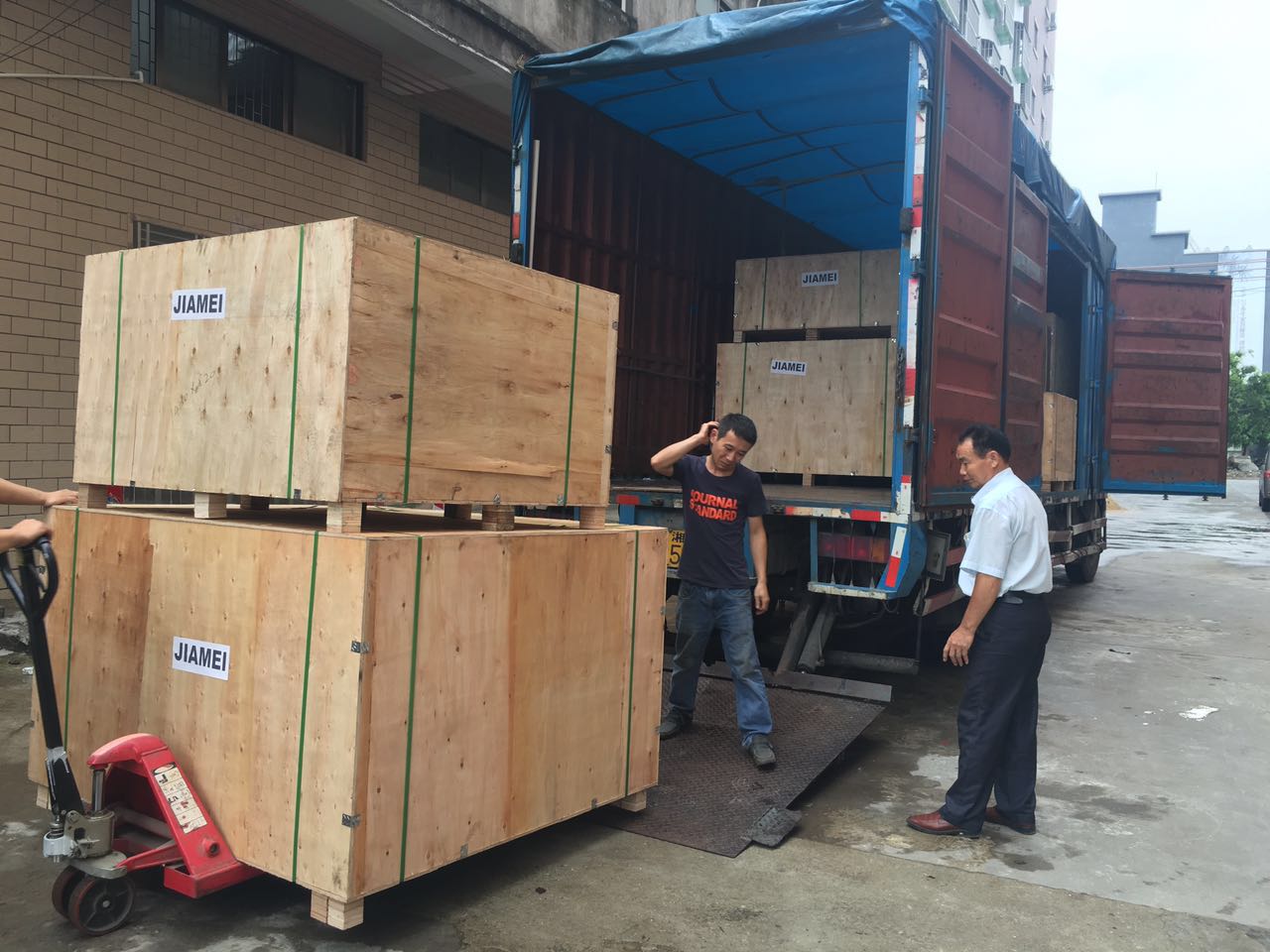
The product information lists a standard length of 50 m per roll and several available widths, including 1.27 m, 1.65 m, 1.83 m, 2.30 m, 3.30 m, and 3.60 m, among others. These details can help purchasing and production teams estimate how a roll may fit their workflow. The 50″x1m designation appears in the product title; refer to the relevant selection and order details when confirming the requested format.
For a well-organized screen-printing operation, compare the selected material against the job’s application, mesh-count guidance, and required width before production begins. Keeping the mesh specification available to operators can also support consistent material selection across repeat orders. The JM-03 range combines 100% polyester construction, plain weaving, listed resistance to acid and alkali, and multiple mesh choices for printing and other stated functions. Contact the supplier to confirm current availability and packing or shipping arrangements for the specific option required.