
Need Help?
Our engineers can confirm the specification, voltage and shipping cost for your market.
Send InquirySilk Screen Printer Machine For T Shirt


Product Application
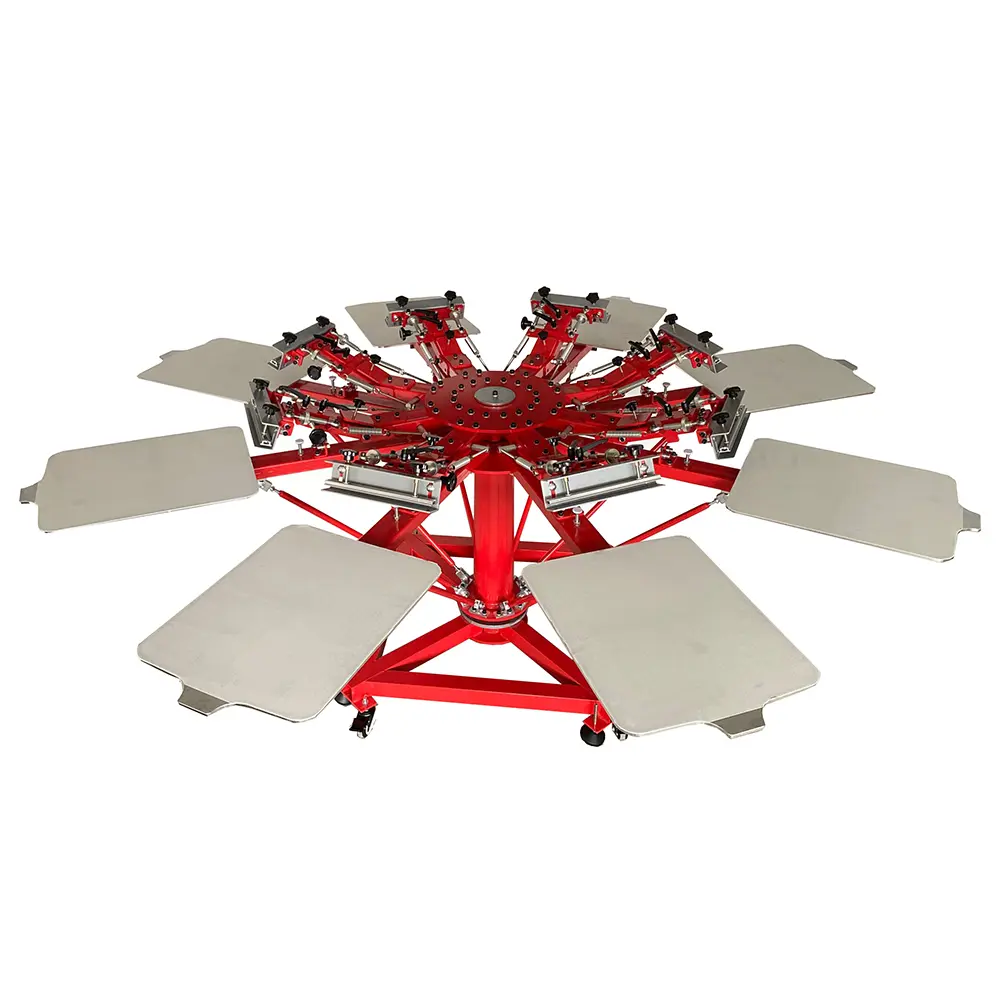
This silk screen printer machine for t-shirt production is designed for screen printing, a printing process that uses a screen printing plate to transfer text and images. It offers a manual setup for businesses and print operators who need to position a screen and manage printing work with hands-on control. The machine’s micro-registration system supports accurate screen adjustment, which is particularly useful when aligning different colors in a multicolor print job.
For T-shirt applications, operators can use the machine to print artwork, lettering, or other image-based designs onto garments. Its stated multi-function capability also supports different objects, making it relevant for print shops handling varied work. The adjustable stations and registration controls provide practical flexibility for setting up jobs, while the steady frame and pallet help keep the work positioned during printing. This combination makes the machine suitable for production environments that value repeatable setup and controlled manual operation.
A screen printing workflow depends on stable placement of the frame and the item being printed. This machine is built around those needs, with a uniform double-clamp system intended to keep the frame steady and a heavy-weight construction intended to help the machine remain stable during printing. These design features support practical setup for garments and other suitable print objects without implying an automatic process or a specific production rate.
Product Description and Registration Design
A screen printing machine prints with a screen printing plate and is used to print text and images. This model is described as a self-researched, heavy-duty manual screen printing machine with a micro-registration design. Rather than relying on an automated registration function, the operator uses the screw handle to move the screen in all directions. This adjustment provides precise positioning for multicolor registration and helps align the screen as a job is prepared.
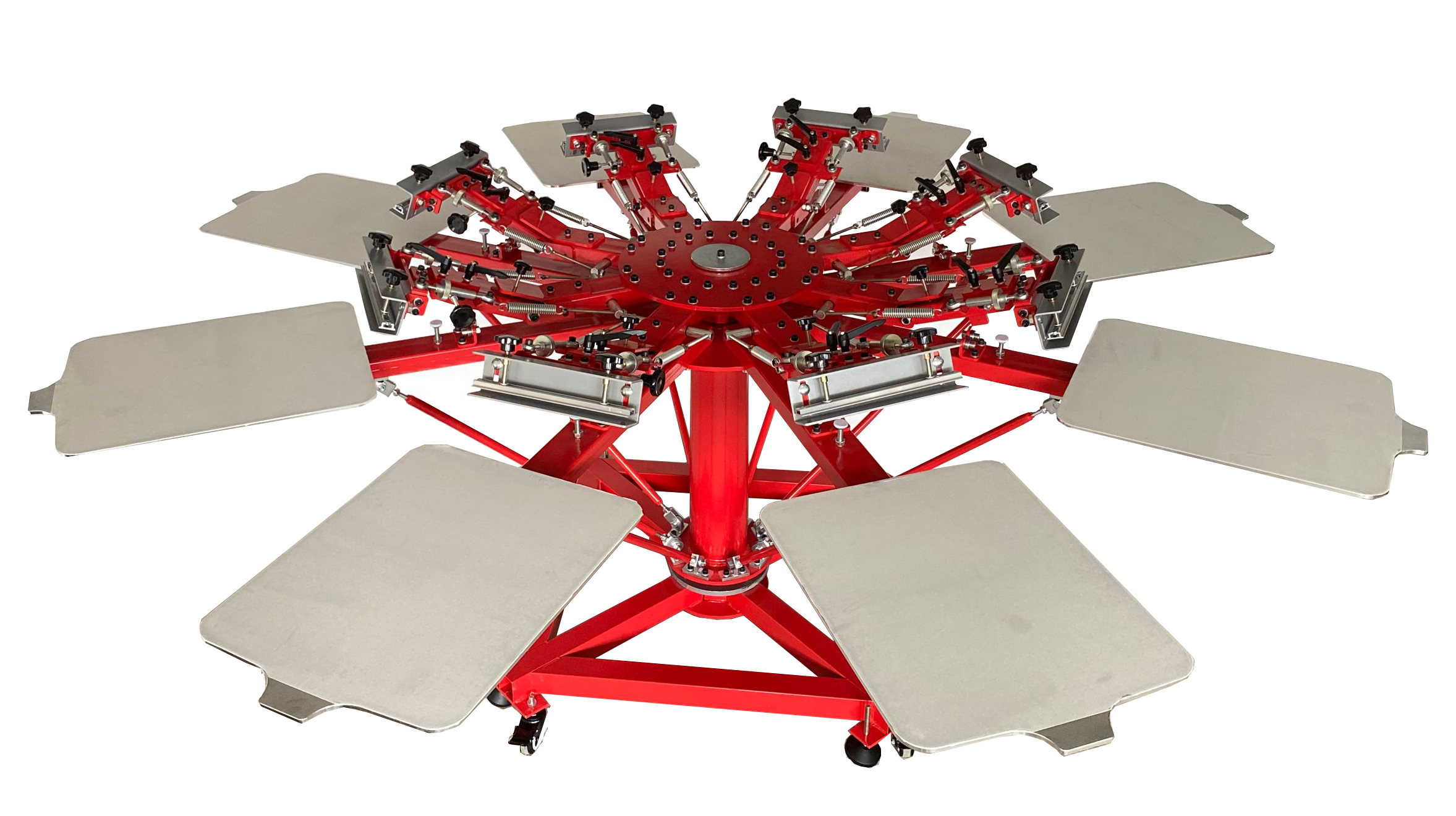
The manual adjustment approach is useful when the operator needs to make considered corrections to screen position before printing. Moving the screen across multiple directions helps with registration work, and the micro-registration system includes left-right and front-back adjustments on horizontal and vertical angles. This gives the operator practical control over alignment during setup, especially when a design requires more than one color to register accurately.

For print operators, controlled positioning can make job preparation clearer: place the frame, secure it with the clamps, and use the adjustment controls to align the screen with the intended print area. The machine’s manual format keeps those adjustments in the operator’s hands. Its heavy-duty construction and stability-focused components support this setup, while the stated adjustable, high-temperature-resistant stations add flexibility to the work surface configuration.
Machine Specifications
Review the listed specifications when planning workspace, handling, and packaging arrangements. The dimensions and packing details below are presented as supplied for this machine. The pallet size describes the listed pallet measurement, gross weight indicates the stated shipping weight, and the packing entry identifies the supplied packing format.
Pallet size | 450 x 610mm |
Gross Weight | 400KG |
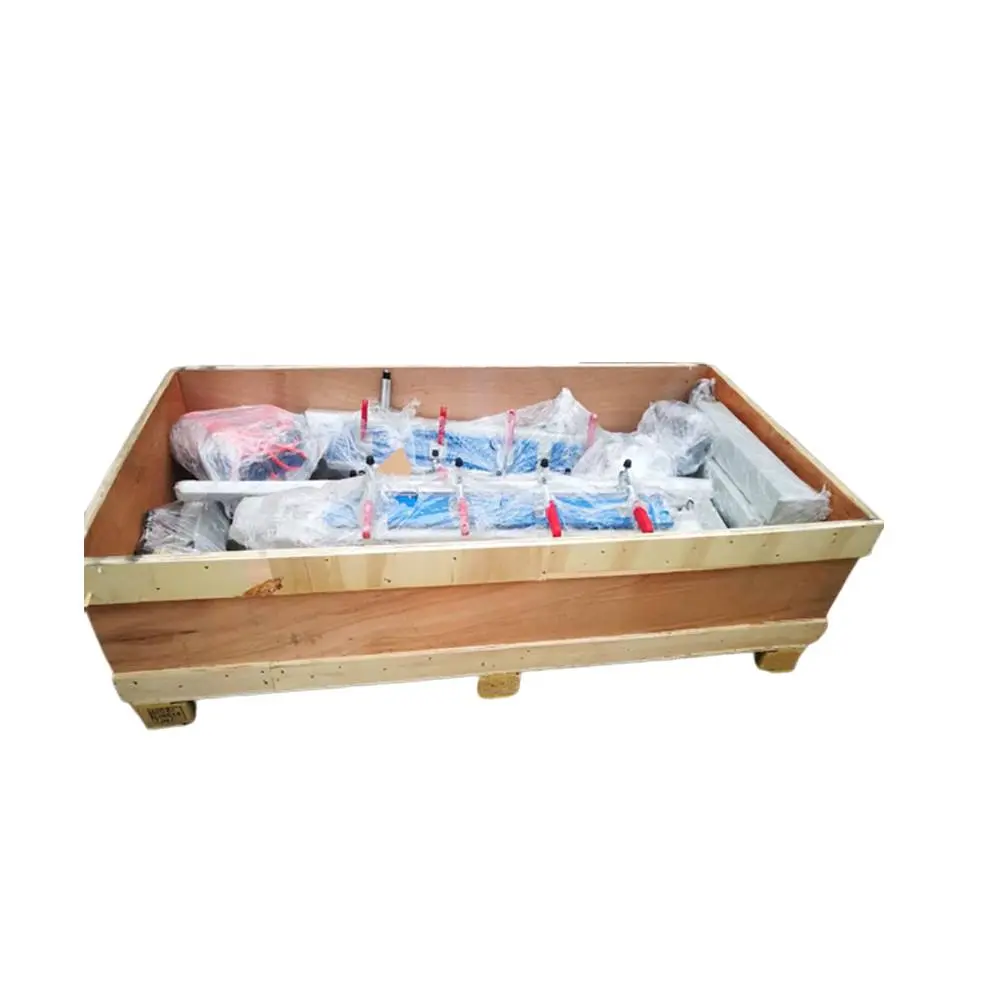
Packing | 1 strong plywood box(100*115*134cm) |
Diameter | 2705*885mm |
The machine is packed in one strong plywood box, as stated in the specification table. Consider the listed gross weight and packed dimensions when arranging receiving, unloading, and storage procedures. Confirm that the planned installation area can accommodate the machine and allow enough working room for screen positioning and manual access to the adjustment points. These preparation steps help a business plan equipment placement without changing or assuming any additional machine dimensions or operating specifications.

Features, Operation, and Care
The machine combines structural features with manual adjustment controls to support stable screen printing and practical job setup. Key features include:
- Multi-function design for different objects.
- Stainless steel bolts intended to increase service life.
- Heavy-weight construction intended to keep the machine steady during printing.
- A uniform double-clamp system to help keep the frame steady.
- Adjustable, high-temperature-resistant stations.
- A micro-registration system with left-right and front-back adjustment on horizontal and vertical angles.

For a consistent workflow, position the screen and workpiece carefully, secure the frame using the clamps, and make registration adjustments with the screw handle before starting the print. The machine’s stability-focused design can help reduce unwanted movement during manual printing, while the adjustable stations support preparation for different jobs. Operators can use these features to establish a repeatable setup process for T-shirt printing and other suitable applications.
Routine care helps preserve the machine’s working condition. Keep the printing area and stations clean after use, remove printing residue using methods appropriate for the materials involved, and check that clamps and adjustment points remain secure and move as intended. Inspect the frame and visible fasteners as part of normal shop maintenance. These general care practices support reliable setup and ongoing use; follow applicable workplace procedures and product guidance when cleaning or servicing the equipment.
This manual silk screen printer brings together a screen plate printing process, micro-registration adjustment, steady frame clamping, and a heavy-duty structure. For print shops and production users, those features provide hands-on control over alignment and a practical foundation for text and image printing, including T-shirt work. Its listed specifications can also help buyers plan transport and placement before the machine is put into service.