
Need Help?
Our engineers can confirm the specification, voltage and shipping cost for your market.
Send InquiryHigh Precision Screen Stretcher Machine Jmste1522 China Factory Suppliers


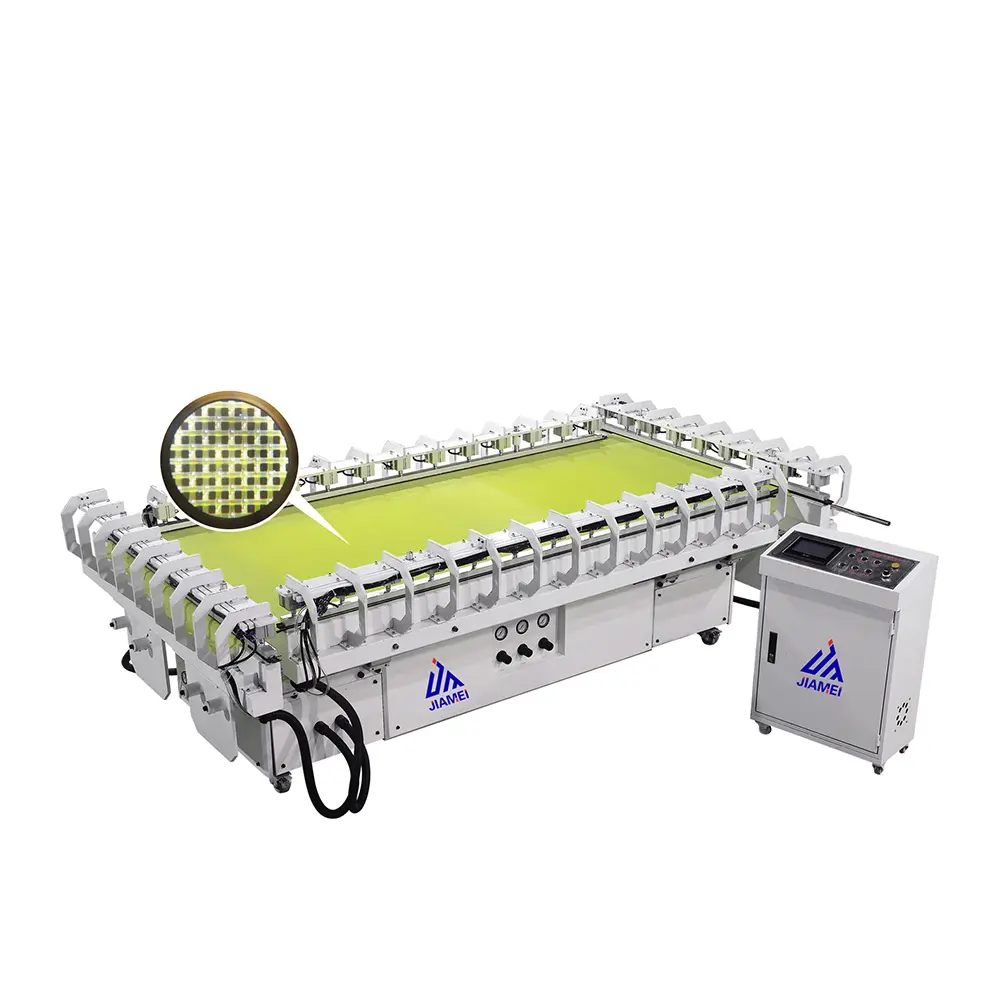
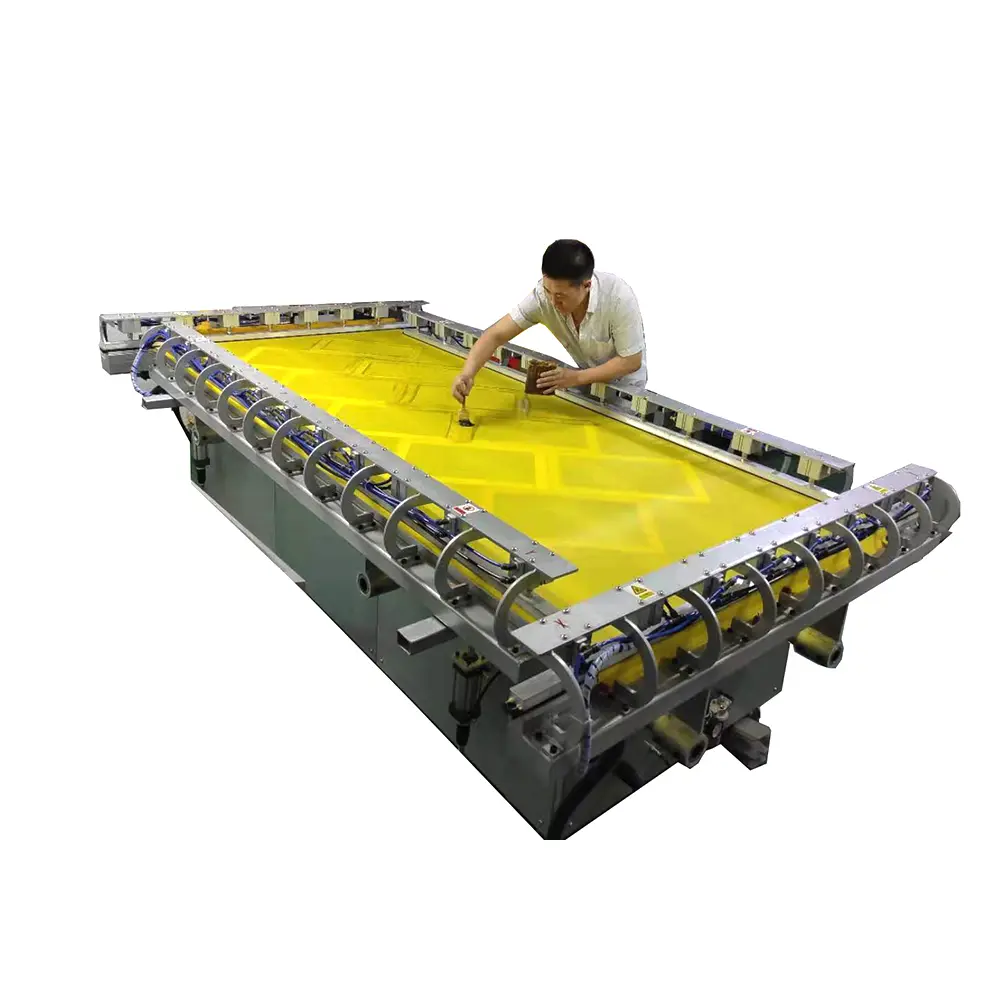
The JM-STE1522 High Precision Screen Stretcher Machine is built for demanding screen-printing production where consistent mesh tension is essential. Its PLC microcomputer control system and intuitive man-machine interface help apply tension accurately and reliably. By automating the stretching process, the machine reduces inconsistencies associated with manual methods and supports efficient industrial screen-printing workflows.
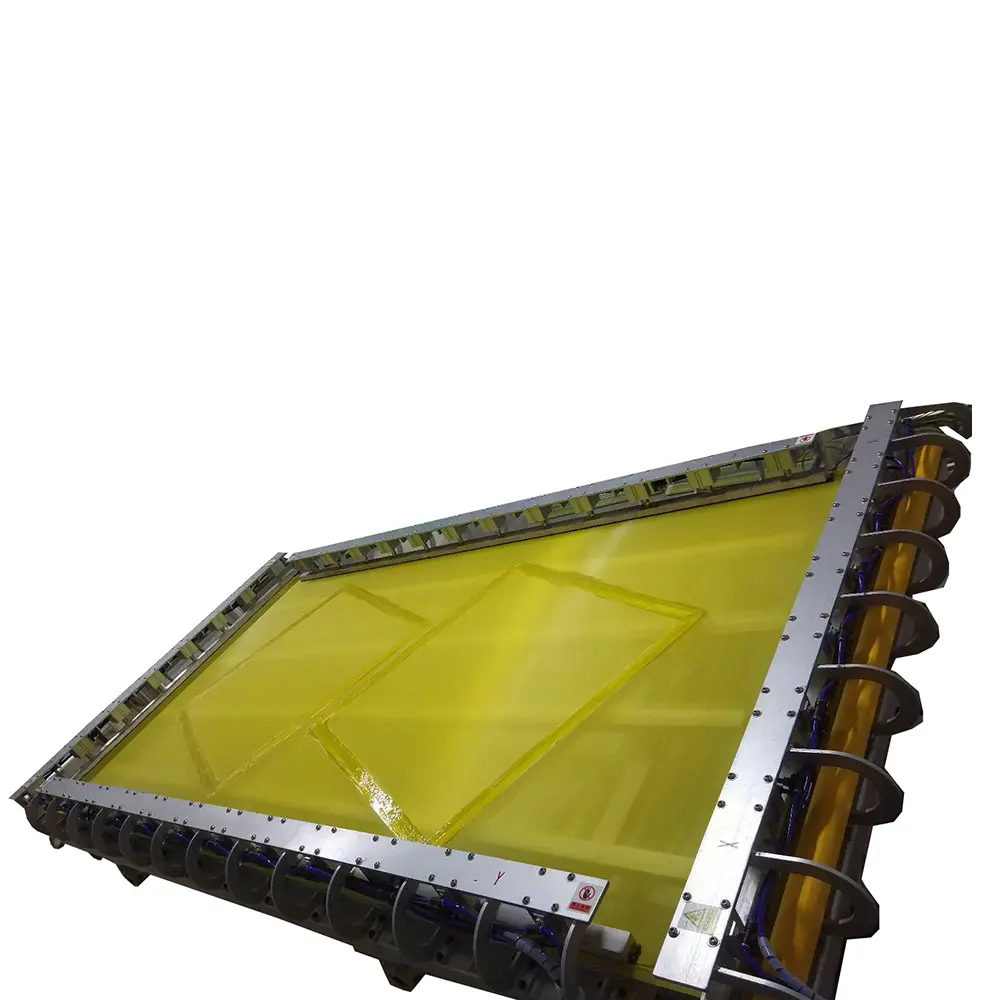
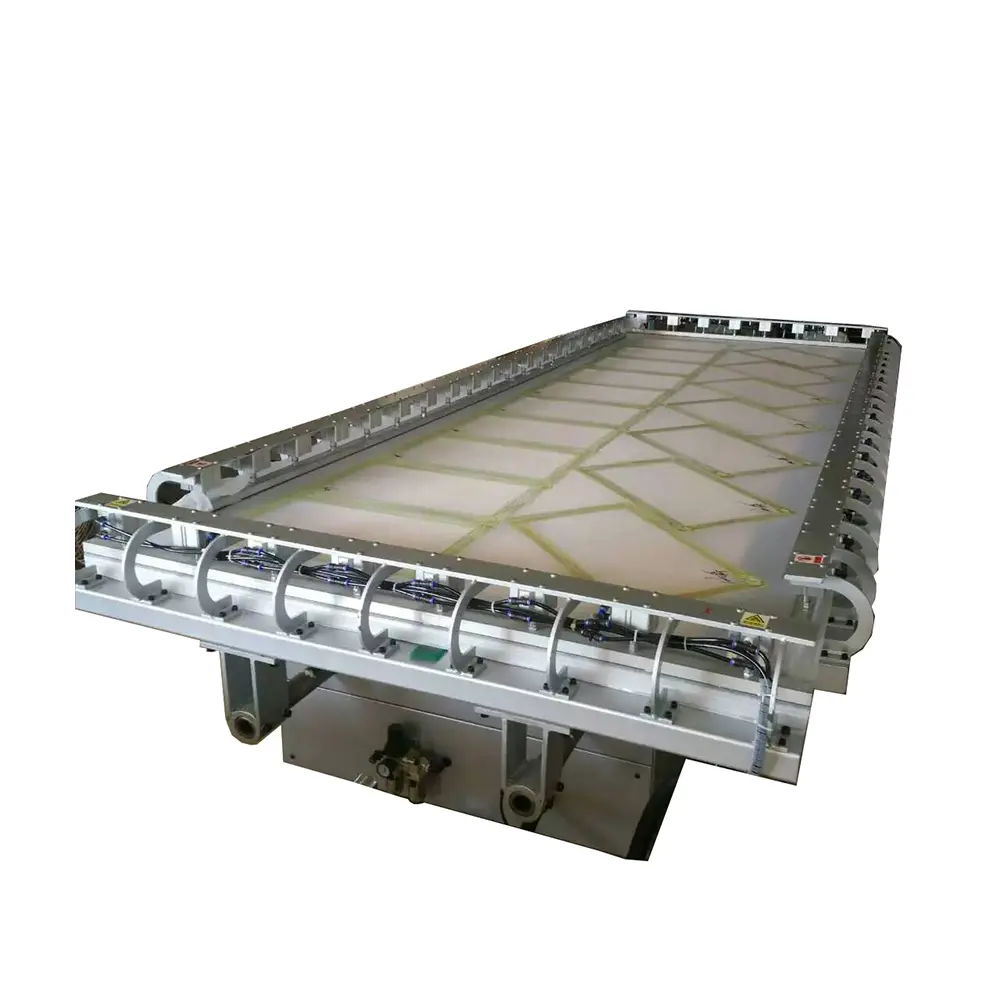
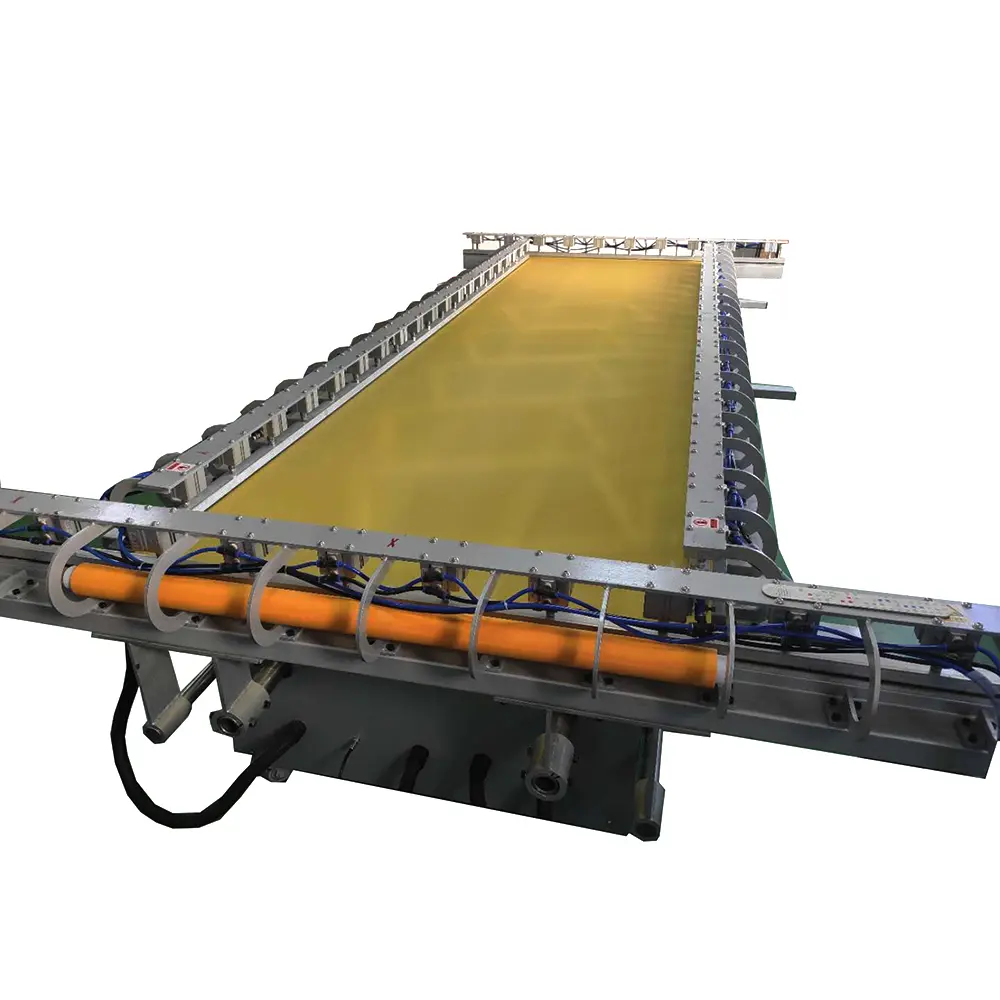
Designed for polyester, nylon, and stainless steel mesh, the JM-STE1522 applies true X/Y vertical tension without traditional angling. This helps prevent mesh distortion, gaps, and wrinkles, creating a flat screen that supports accurate registration and print quality. It is suited to applications including solar photovoltaic panels, electronics, and LCD touch screens, with a mesh tension uniformity reference value of ± 0.5N across the frame.
JM-STE1522 Technical Parameters
| Product Model | JM-STE1522 | Max Frame Size | 1100 mm 2200 mm |
|---|---|---|---|
| Outside Dimensions | 2700 1600 910 mm | Tension Range | 0 – 60N |
| Control System | XINJE-XC3 PLC | Motor Power | LP-1.5KW 2 (380V) |
| Interface | TH765-MT7MS Touch Screen | Tension Precision | Micrometer (UM) Level |
| Structure Material | High Strength Steel Mixed | Compatible Mesh | Polyester, Nylon, Stainless Steel |
Key Advantages of the Screen Stretcher
Integrated Locking
The integrated locking approach avoids manual single-chuck clamping, helping prevent uneven pressure, ripples, and mesh breakage.
Faster Stretching
Complete mesh stretching in 3-5 minutes—up to 3 times faster than traditional manual or electric machines.
True Vertical Pull
True X/Y line vertical stretching eliminates the need for angling and helps reduce mesh material waste.
Intelligent Memory
Stores over 100 sets of pull data for quick recall of tension and stroke parameters across different mesh types.
High Tension Uniformity
A mesh uniformity reference value of ± 0.5N supports stable tension for high-precision screen printing.
Straightforward Operation
The user-focused design helps staff become proficient in operating the machine within one hour.
JM-STE1522 Product Gallery
Screen Stretching Management Features
Tension Management
Adjust tension from 0-60N to suit the specific printing requirements of different substrates.
Automated Workflow
The full-cylinder automatic locking device supports fast, even, and accurate mesh clamping.
Safety Protection
Multiple operation-protection devices are integrated into the circuit and gas design to support operator safety.
Energy Optimization
Designed for low power consumption in line with modern industrial energy-saving priorities.
Mesh Material Compatibility
Works with polyester, nylon, and high-strength stainless steel composite screens.
Digital Precision
Micrometer-level data display and humanized digital scales support precise mesh positioning.
Screen Stretching Performance Comparison
| Performance Metric | Manual Stretching | JM-STE1522 Automatic |
|---|---|---|
| Operation Time | 15-30 Minutes | 3-5 Minutes |
| Tension Uniformity | Low (High Variance) | Ultra-High (± 0.5N) |
| Labor Cost | High (Expert Required) | Low (Basic Training) |
| Material Waste | High (Due to Angling) | Minimal (True Vertical Pull) |
| Repeatability | Inconsistent | High (100+ Memory Presets) |
Frequently Asked Questions
The JM-STE1522 supports polyester, nylon, and high-tension stainless steel composite mesh.
Unlike conventional stretching methods that require angling, vertical pulling helps prevent mesh distortion and reduce waste while producing a square, flat screen.
The machine has a straightforward operating design and intuitive touch screen interface. Most operators can become proficient within one hour.
Yes. Its intelligent memory system stores more than 100 sets of pull data, including tension and stroke parameters, for convenient recall.
The JM-STE1522 provides a tension range of 0 to 60N for a range of industrial screen-printing requirements.
Common applications include solar photovoltaic, PCB, LCD touch screen, electronics, and high-end glass printing.