
Need Help?
Our engineers can confirm the specification, voltage and shipping cost for your market.
Send InquirySqueegee Blade 70 Durometer 6 Roll
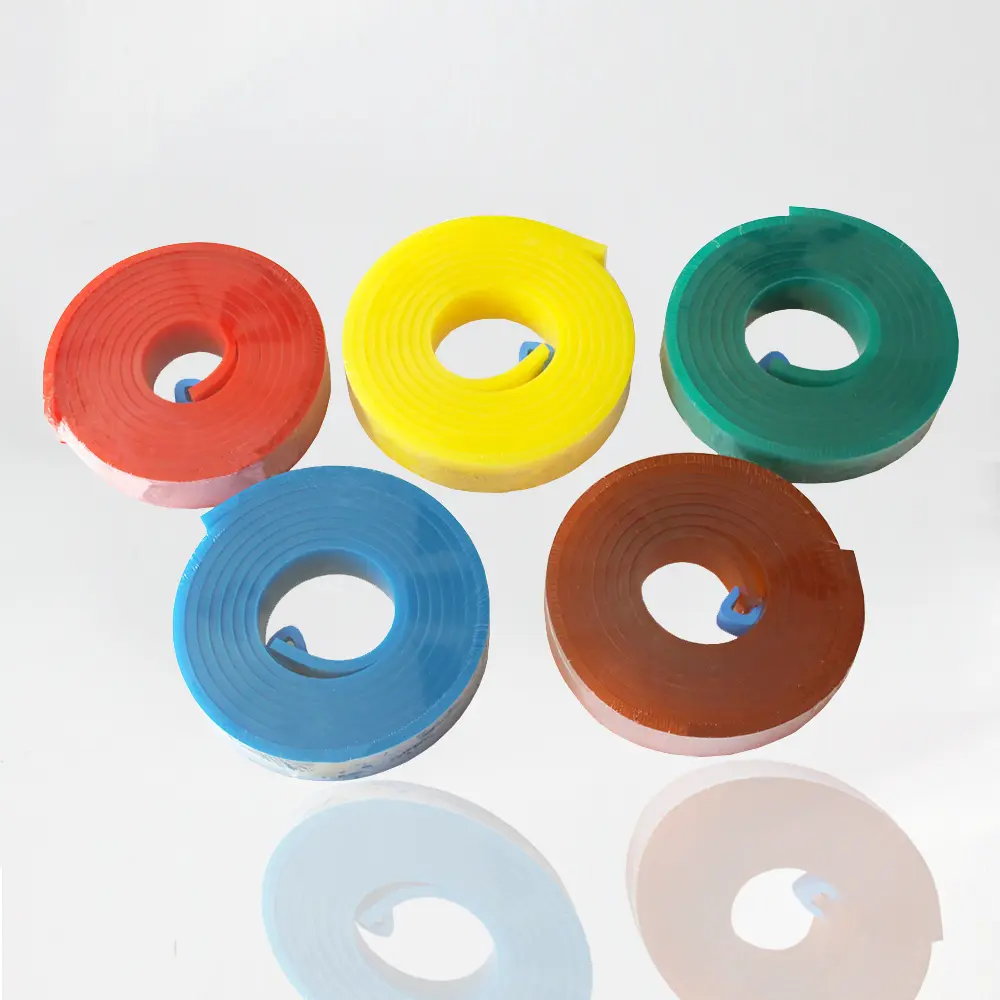
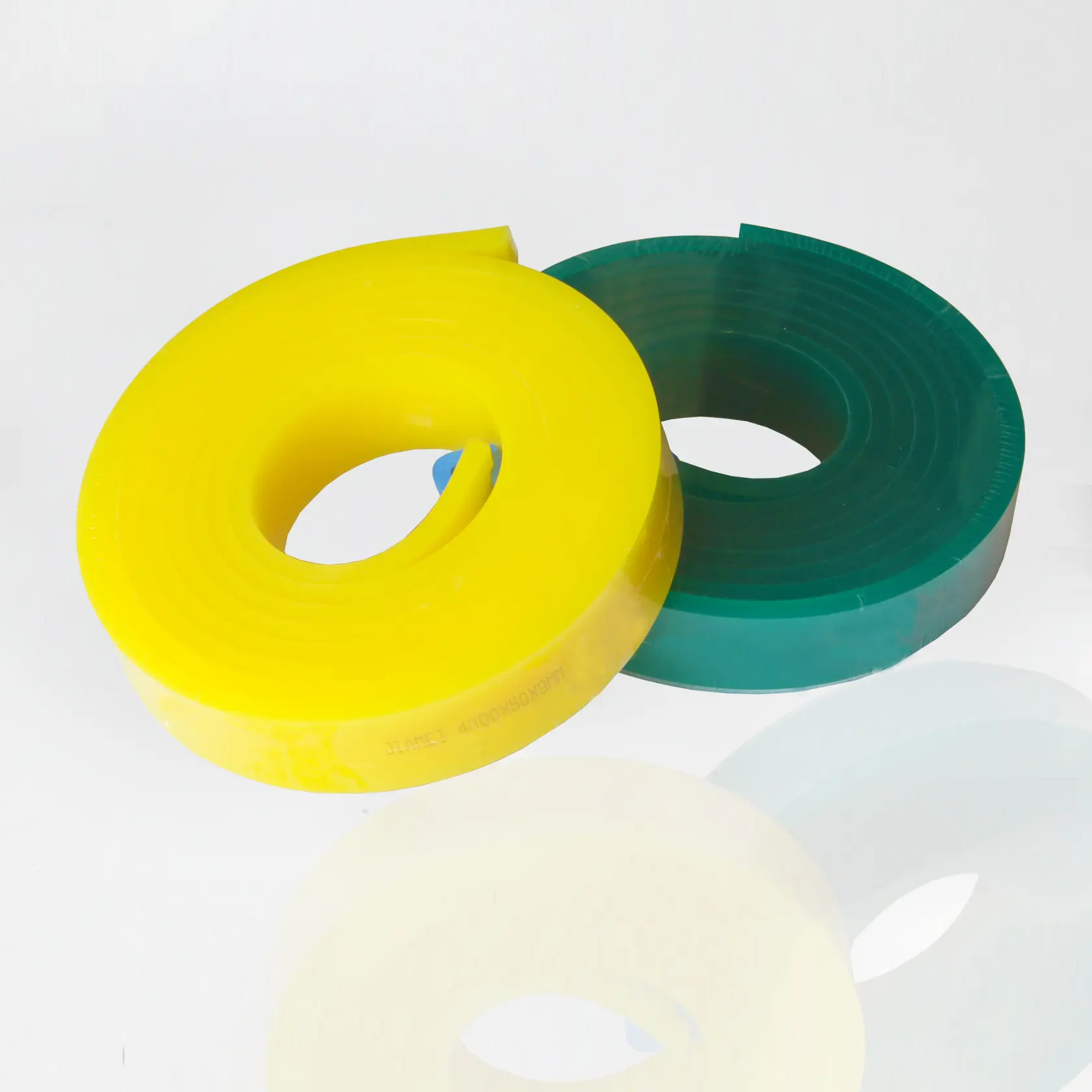
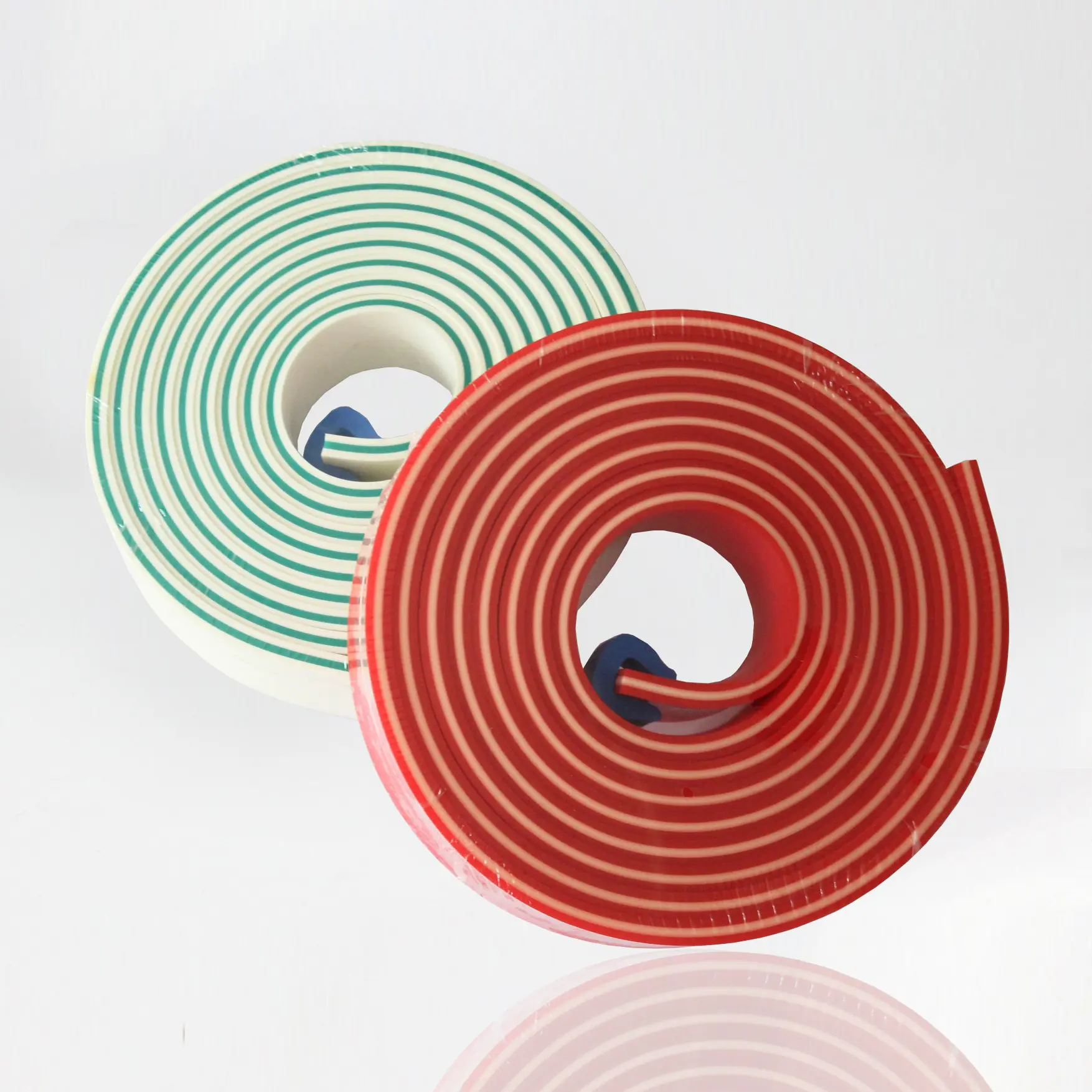
Squeegee Blade 70 Durometer – 6′ Roll

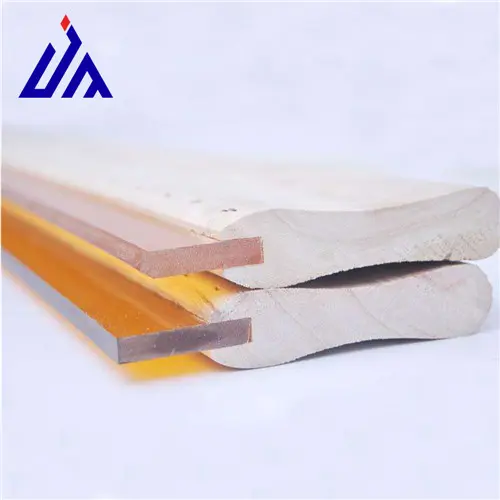
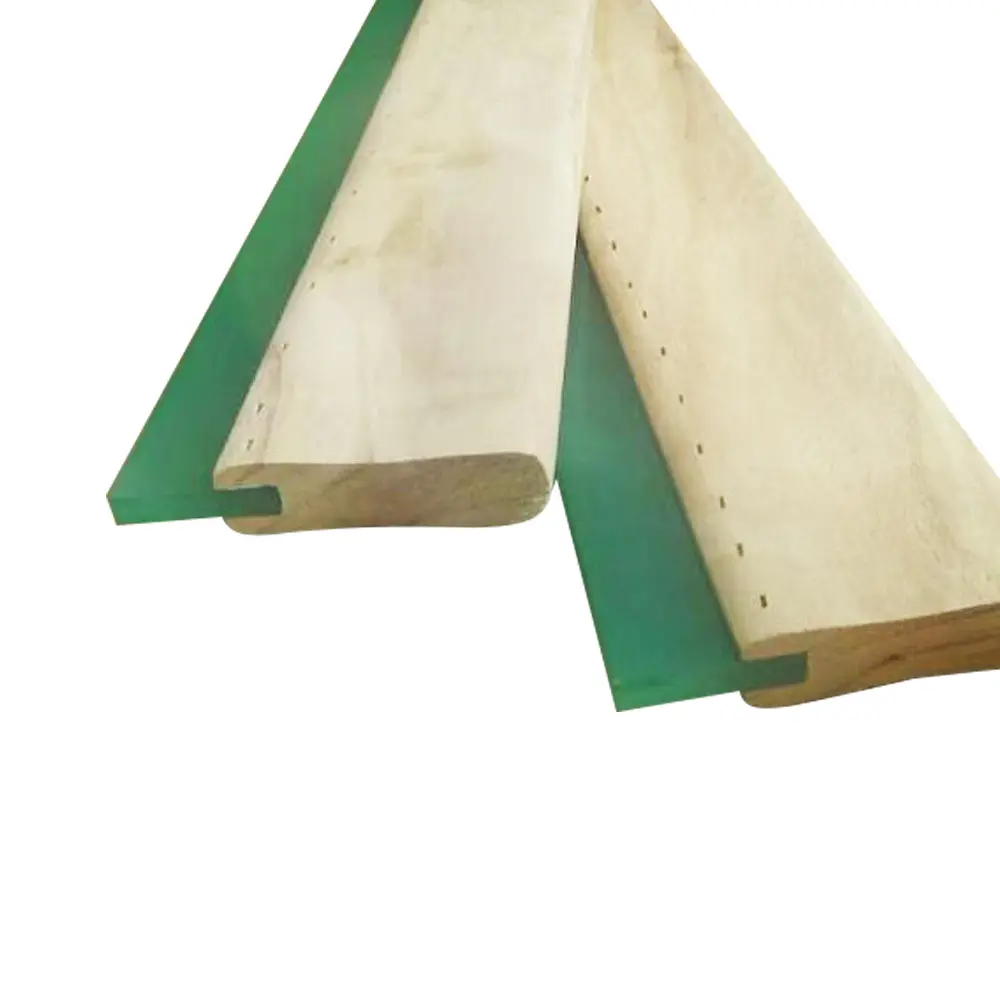
Squeegee Blade 70 Durometer – 6′ Roll is a high-quality, solvent-resistant, long-lasting squeegee blade for the screen printing industry. Made from top-grade polyurethane elastomers, this blade is designed to last longer than many other squeegees. Its 70 durometer hardness makes it a useful choice for textile screen printing, where a balance of blade firmness and ink transfer is important. The roll format gives print shops a continuous length of blade material to work with, making it practical for preparing replacement squeegees and maintaining printing equipment as needs arise. Use this blade as part of a consistent screen-printing setup when reliable edge contact and controlled ink application matter to the finished print.
The blade is durable and made with smooth, uniform edges. Consistent edge quality helps the squeegee move evenly across the screen and supports a seamless coating of ink during the printing stroke. For this reason, a squeegee edge should be sharp and well defined, without defects that could interfere with contact or ink application. An even edge can help operators maintain repeatable working conditions from one pass to the next, while the resilient polyurethane construction provides a dependable working surface for regular shop use. The material is also extremely solvent resistant: it does not soften or become damaged when dipped in solvent cleaners. This property is valuable during routine screen-printing cleanup, since the blade can be cleaned with solvent without the softening described for less resistant materials. Properly maintaining the blade and checking its edge helps keep it ready for production and supports consistent use over time.
Specifications:
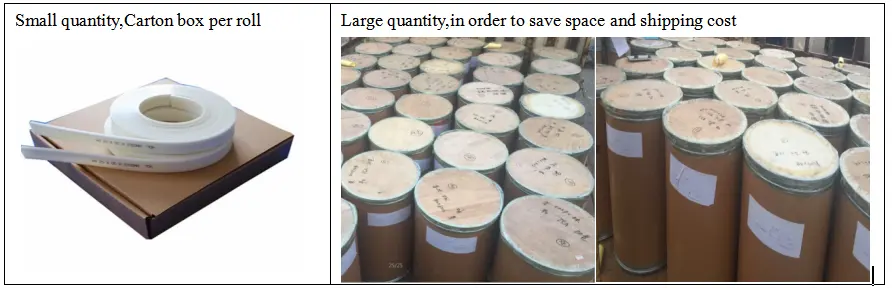
One roll contains 72 inches of squeegee blade, equivalent to the 6′ roll stated in the product title. The blade measures .375″ (9.5mm), or 3/8 inch, in thickness and 50mm, or 2 inches, in width. These stated measurements provide the key information needed to assess the blade for a printing setup and determine whether its profile suits the intended holder and application. Confirm the required blade width and thickness for your equipment before cutting or installing replacement material. The roll length offers a continuous supply for preparing blade sections while keeping the product’s listed specifications clear for purchasing and shop planning.

Durometer measures the hardness of a rubber squeegee and is an important consideration when choosing a blade for a printing application. Higher-durometer 90 blades are used in the graphic industry, especially by bottle printers. Textile printers mostly use 70 durometer, although some printers may prefer 60 or 80 durometer depending on their process and preferred print result. A lower-durometer squeegee can push more ink onto the fabric. Therefore, printers seeking more ink deposit for better coverage, or printing puff or gel, may choose 50 or 60 durometer instead. This 70-durometer roll provides the hardness commonly used by textile printers while allowing buyers to consider their own ink, substrate, and print requirements when selecting a blade. The hardness information is a selection guide; it does not change the product’s stated specification of 70 durometer.

Printing squeegees are available in different edge profiles, including straight edge, round or bull nose, and double bevel. Beveled edges are also available in different angles. The appropriate profile depends on the printing method and the surface being printed; this product description does not specify a particular edge shape for the roll. Bevel squeegees are used by bottle printers and for hard-surface printing, while some textile printers use a bevel edge for fine textile printing. Considering blade hardness together with edge shape helps operators select squeegee material that aligns with their production needs. For general screen-printing preparation, inspect the blade edge and choose a profile suited to the job so the squeegee can make an even working pass across the screen.