
Need Help?
Our engineers can confirm the specification, voltage and shipping cost for your market.
Send InquirySqueegee Blade 50X7Mm
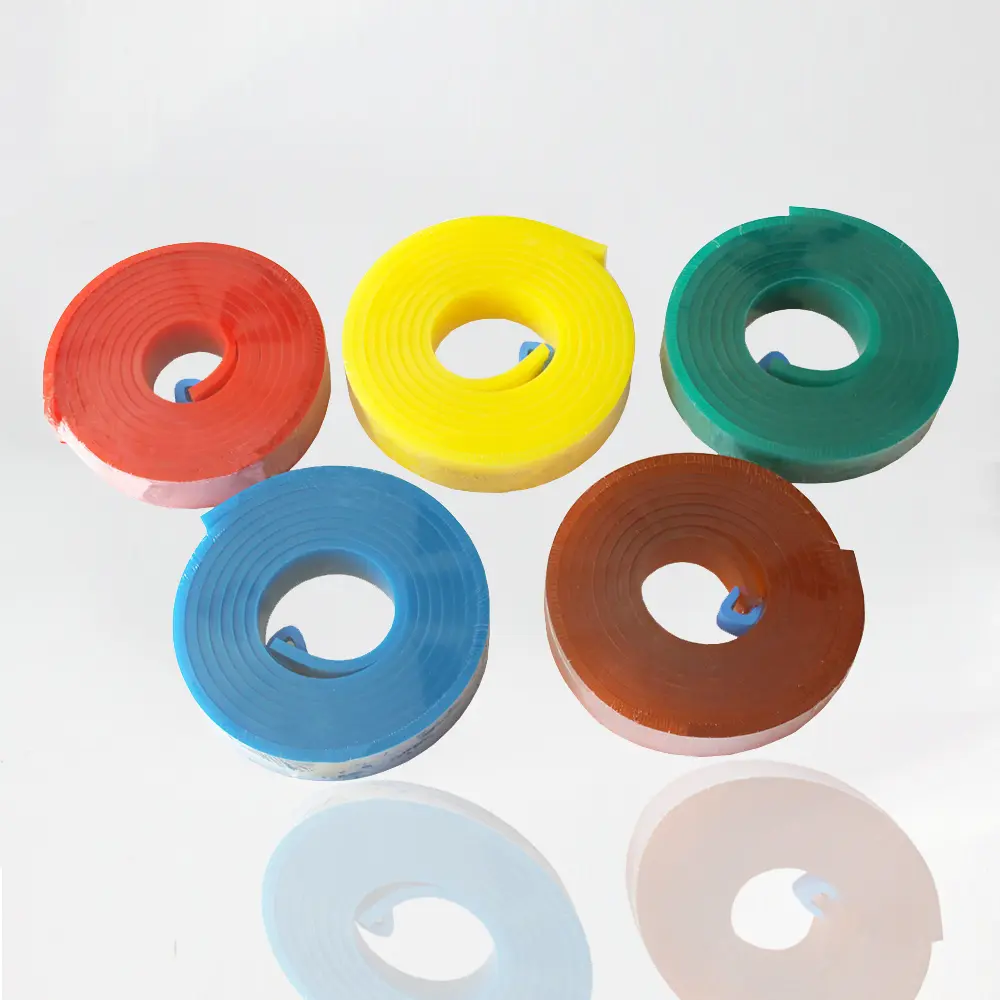
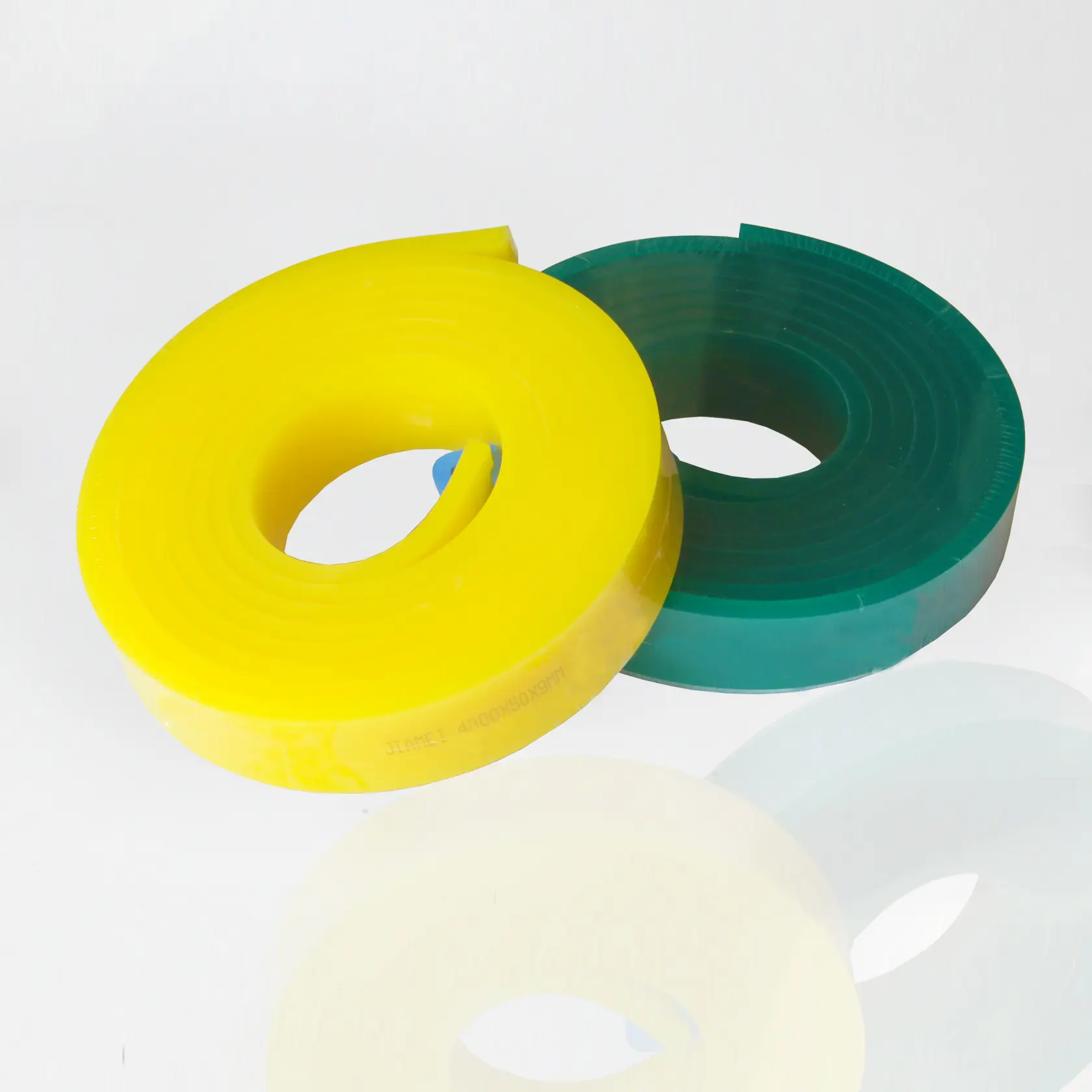
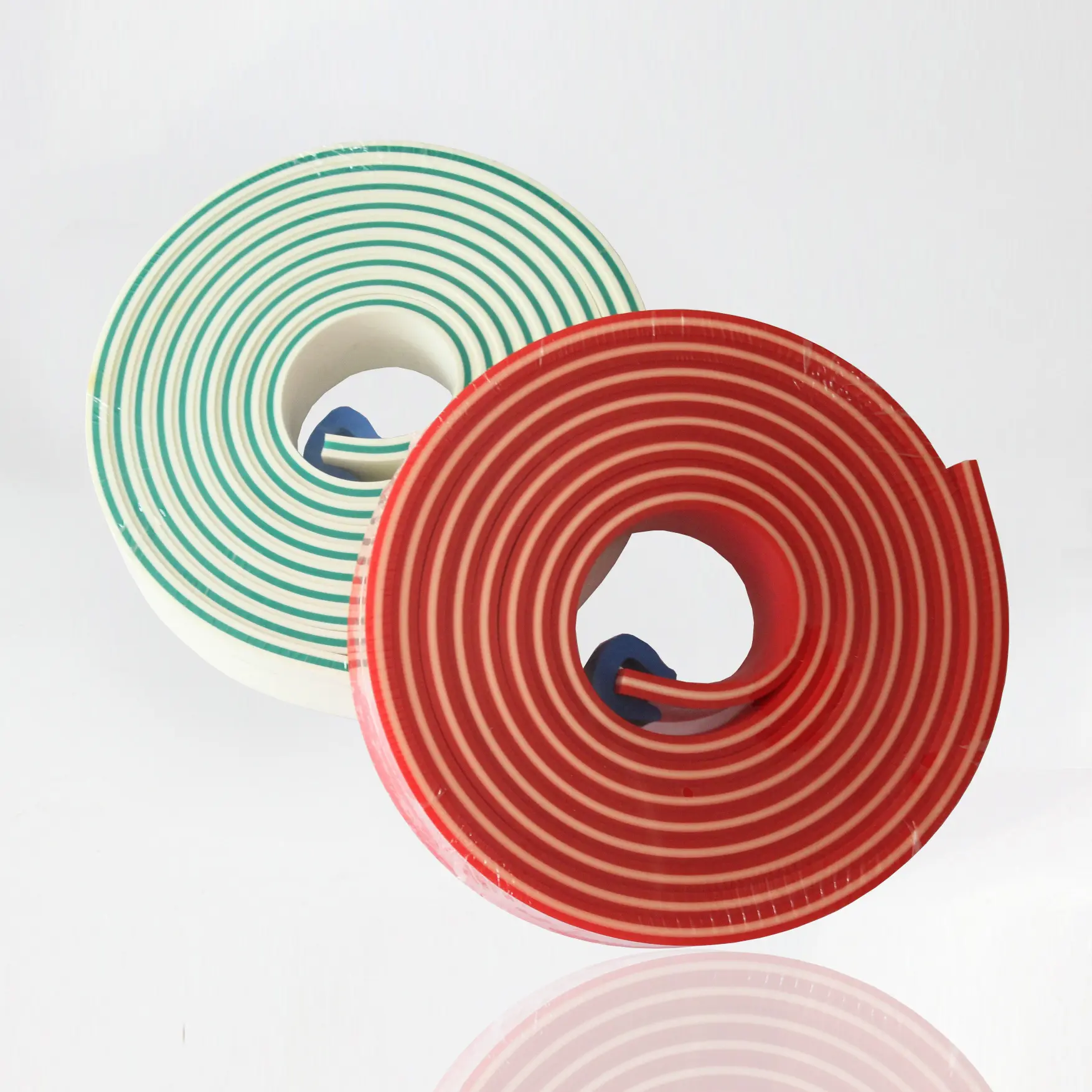
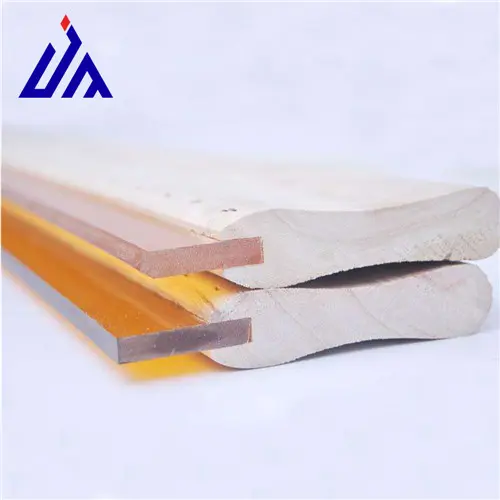
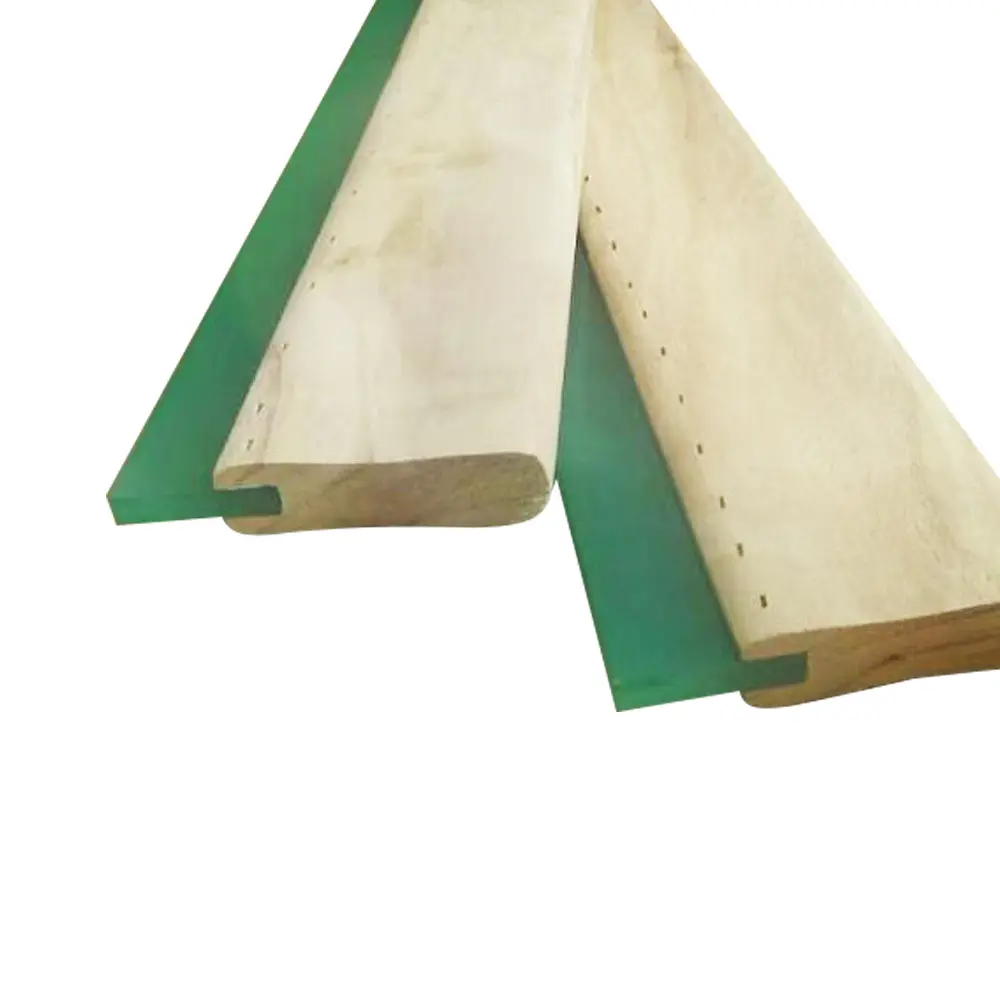
Squeegee blade 50x7mm for screen printing
The Squeegee blade 50x7mm is one option in a range of screen printing squeegee blades designed to support different print requirements. Its stated profile size is 50x7mm. Selecting a blade with a suitable size, hardness and edge profile helps printers match the tool to the print job and the ink being used. Use the product details to compare this size with the other listed options and identify a suitable fit for your printing setup.
Squeegee blades are used to move ink across a screen and through its stencil during printing. Blade flexibility and tip shape influence how the squeegee meets the screen and the amount of ink deposited. Considering those characteristics before ordering can help with job planning, from general screen printing work to applications that call for a softer or stiffer blade, a heavier ink deposit, or printing on a curved or uneven substrate.

Available sizes and product choices
The available standard sizes include 25x5mm, 25x7mm, 35x5mm, 35x7mm, 40x7mm, 40x9mm, 50x7mm, 50x8mm, 50×9 and 50x10mm, as well as other options. The 50x7mm size is identified in the product title, while the additional sizes offer alternatives for buyers comparing blade profiles for their equipment or application.
Listed lengths are 1000mm, 2000mm and 144″ (3660mm), with length also available as requested. The stated width range is 25mm–100mm, and the thickness range is 5mm–10mm. These choices allow purchasers to review the supplied format against their requirements rather than assume that every size or length is identical.
Hardness is available from 50–90A. Standard colors include yellow, blue, white, red, coffee and green, with other colors available on request. Blade types include square, rounded and V-cut profiles, among others. When preparing an order, consider the size, length, hardness, color and tip profile needed for the intended work, and confirm the requested selection with the supplier.

Choose hardness for the print application
Durometer is an important consideration because a softer blade flexes more than a harder one. A 60-durometer squeegee is described as the softest available option and is used for more delicate printing. Its greater flexibility works best with thinner inks. It is also useful for high-density printing, where the softer blade allows a larger amount of ink to roll through the stencil. These characteristics can help guide selection when ink flow and deposit are central to the job.
The 70/75-durometer squeegees offer medium hardness and are the most commonly used options. A 70-durometer blade works well for almost any screen printing application and is a practical starter choice for beginning screen printers. Its broad application makes it a useful point of comparison when deciding between a softer, more flexible blade and a stiffer blade for a particular print.
An 80-durometer squeegee is very stiff and is suited to more intricate print jobs. It is also suitable for thicker screen printing inks, including whites and other opaque plastisols. These descriptions are selection guidance, not a claim that the 50x7mm blade shown is supplied at a particular hardness. The available hardness range is 50–90A, so choose the hardness appropriate to the intended process.

Tip profiles, application and ongoing care
The tip shape affects how the squeegee blade is used. Square, or straight-edge, blades have a flat cut across the bottom. They are the most common type and are used for general screen printing jobs. For routine work where a general-purpose edge is appropriate, this profile is a familiar option to compare against more specialized shapes.
Round, or ball-nose, squeegees are used when a heavier ink deposit is needed, such as when printing on heavier substrates or working with specialty inks. Beveled squeegees have an angle on one or both sides of the blade and are most often used on curved or uneven substrates. V-cut profiles are also listed among the available blade types. Consider the substrate and desired ink deposit when reviewing these profile choices.
Matching the blade to the job supports consistent preparation and helps make the chosen tool appropriate to the printing task. Before use, check that the selected blade profile and size suit the setup, then choose a hardness with the ink and application in mind. After printing, clean and handle the blade according to the procedures used in your operation, and inspect its edge before returning it to service. Routine inspection helps identify visible wear or damage that could affect printing; replace or select another blade when its condition is no longer suitable for the work.
For purchasing, specify the required size, length, hardness, color and profile, including any request for a non-standard choice. The stated standard options provide a basis for comparison, while requested lengths and colors can be discussed with the supplier. This makes it easier to coordinate a squeegee blade with the production task without assuming unlisted dimensions or properties.