
Need Help?
Our engineers can confirm the specification, voltage and shipping cost for your market.
Send InquirySqueegee Blade 40X7Mmmm
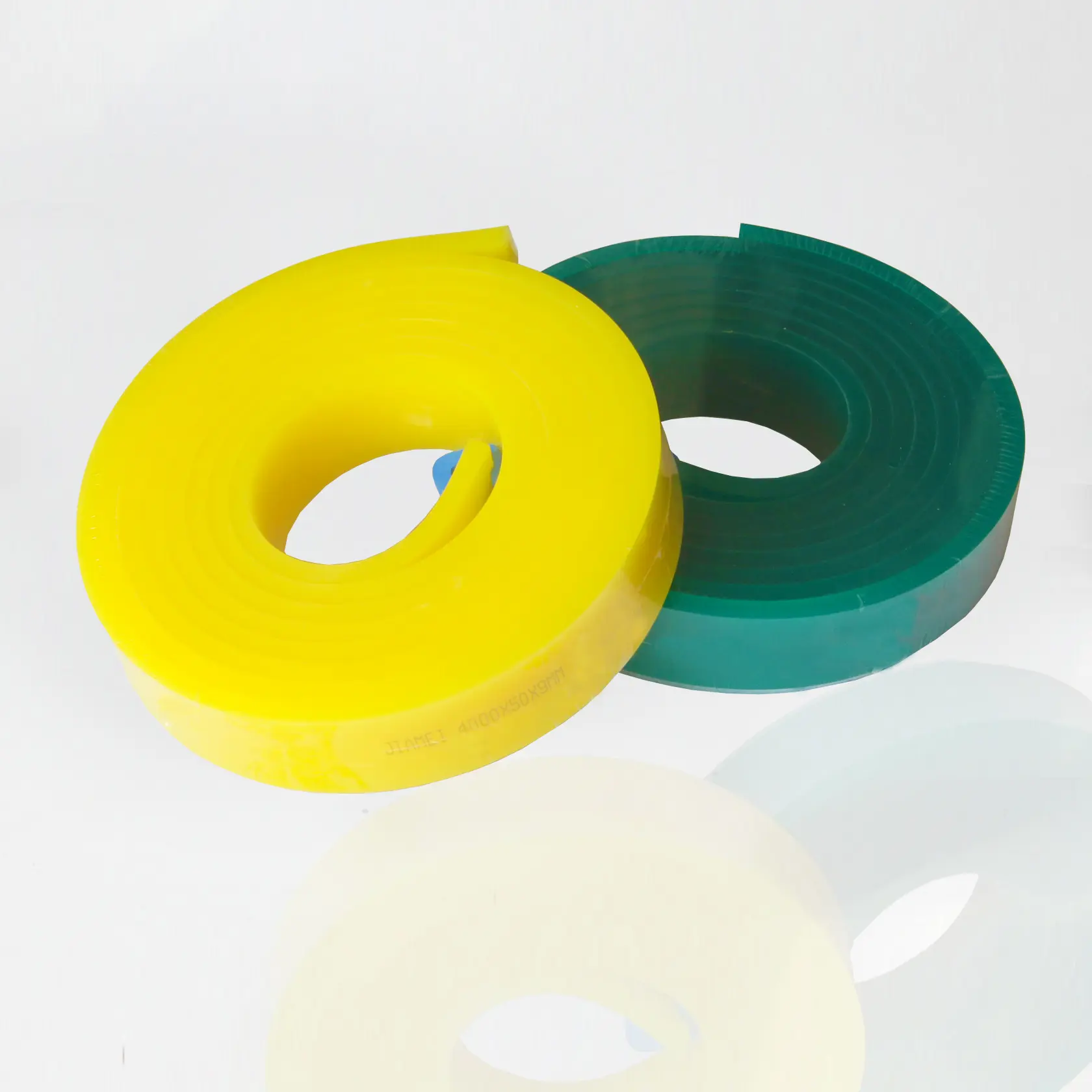
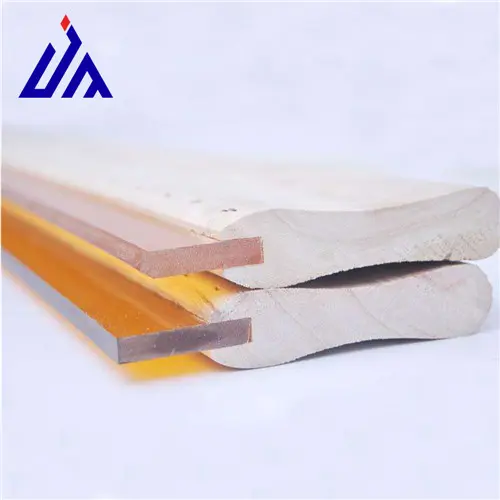
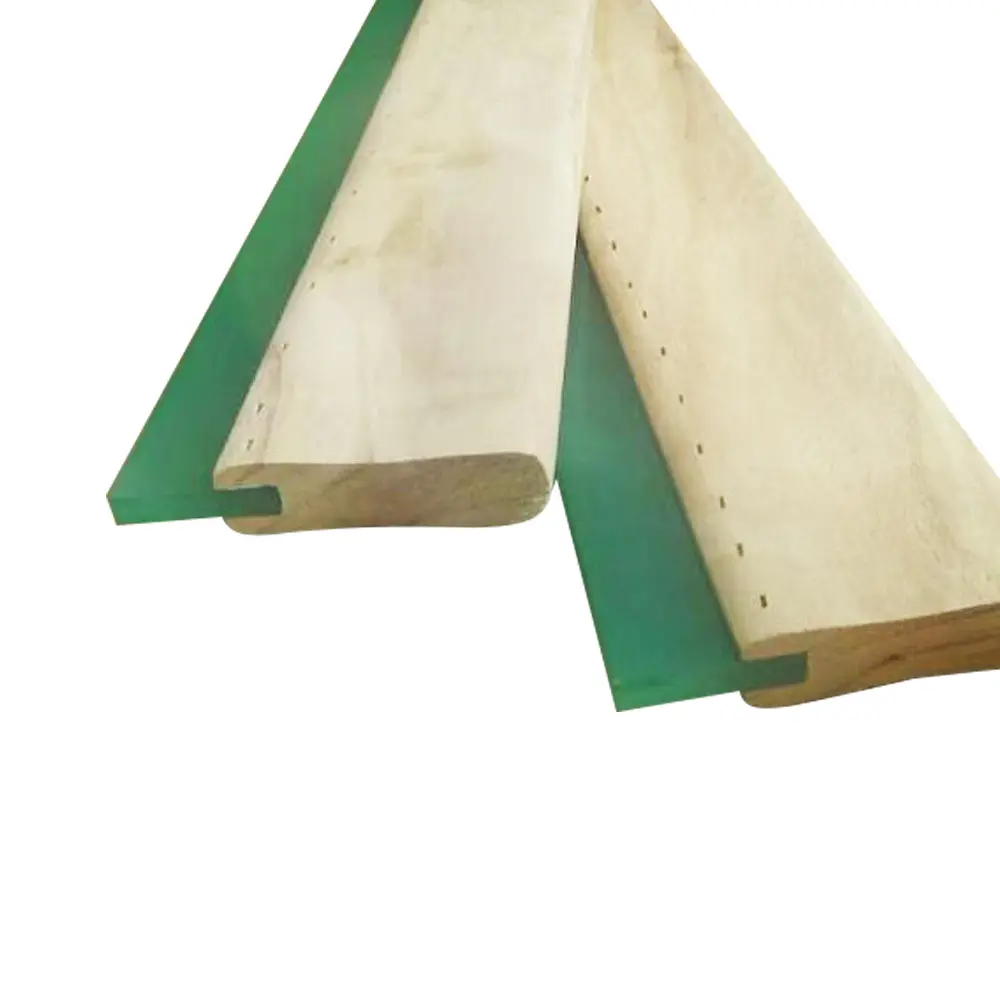
Squeegee blade 40x7mm for screen printing
The 40x7mm squeegee blade is one option in a range of screen printing blade sizes. Its listed size makes it straightforward to identify when selecting replacement material or comparing blade formats for a printing setup. Selecting a blade with the intended profile and hardness helps align the squeegee with the job, ink, and substrate being used.
Squeegee blades are part of the ink-transfer process: the blade is drawn across the screen to move ink through the stencil and onto the printing surface. The appropriate blade shape and flexibility can support a suitable ink deposit and help the operator maintain control during a print run. Check the dimensions and profile required for your holder or application before ordering.
Squeegee blade 40x7mm

Available sizes and configuration
The listed standard sizes include 25x5mm, 25x7mm, 35x5mm, 35x7mm, 40x7mm, 40x9mm, 50x7mm, 50x8mm, 50×9, and 50x10mm, among others. This selection provides different width and thickness combinations for buyers to consider according to their equipment and printing requirements. The 40x7mm size is the focus of this product listing.
Available lengths are 1000mm, 2000mm, and 144″ (3660mm), or a length requested by the customer. The stated width range is 25mm–100mm, and the stated thickness range is 5mm–10mm. Confirm the required dimensions when specifying an order, particularly when a blade is intended to replace an existing piece or fit a particular holder.
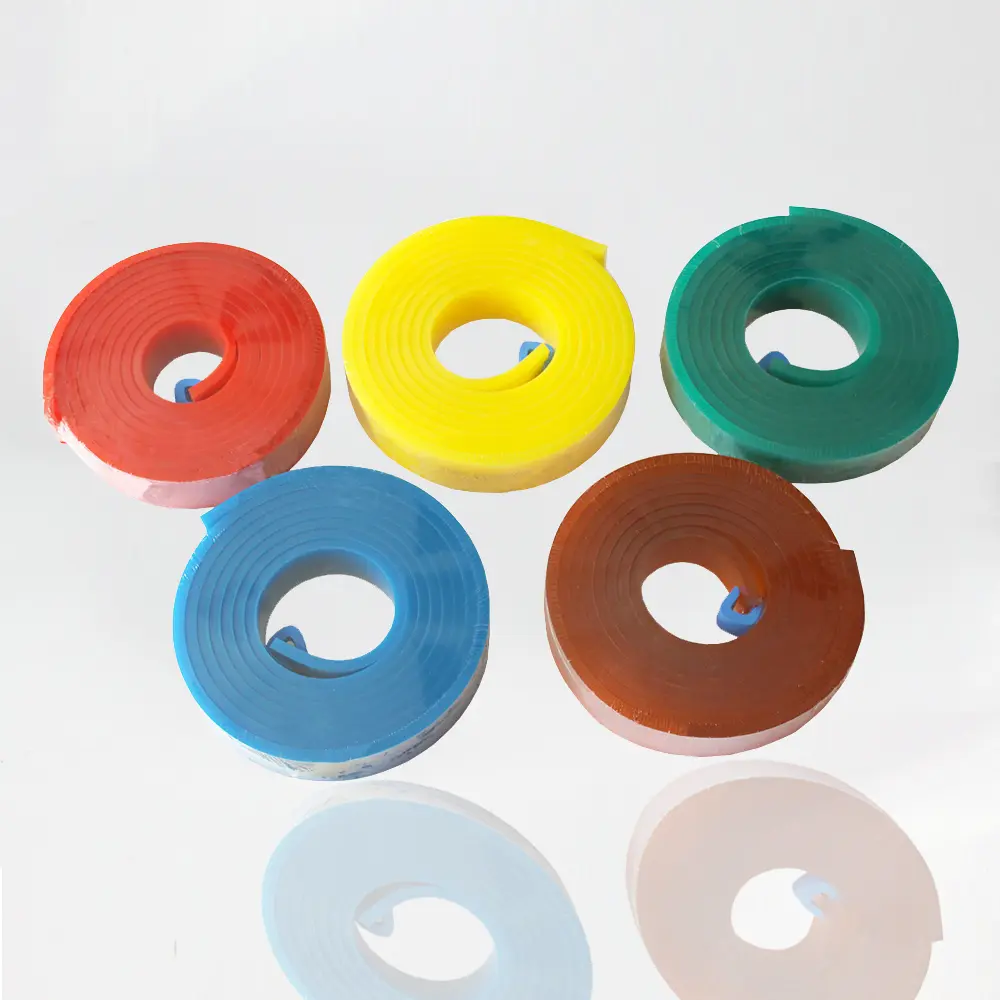
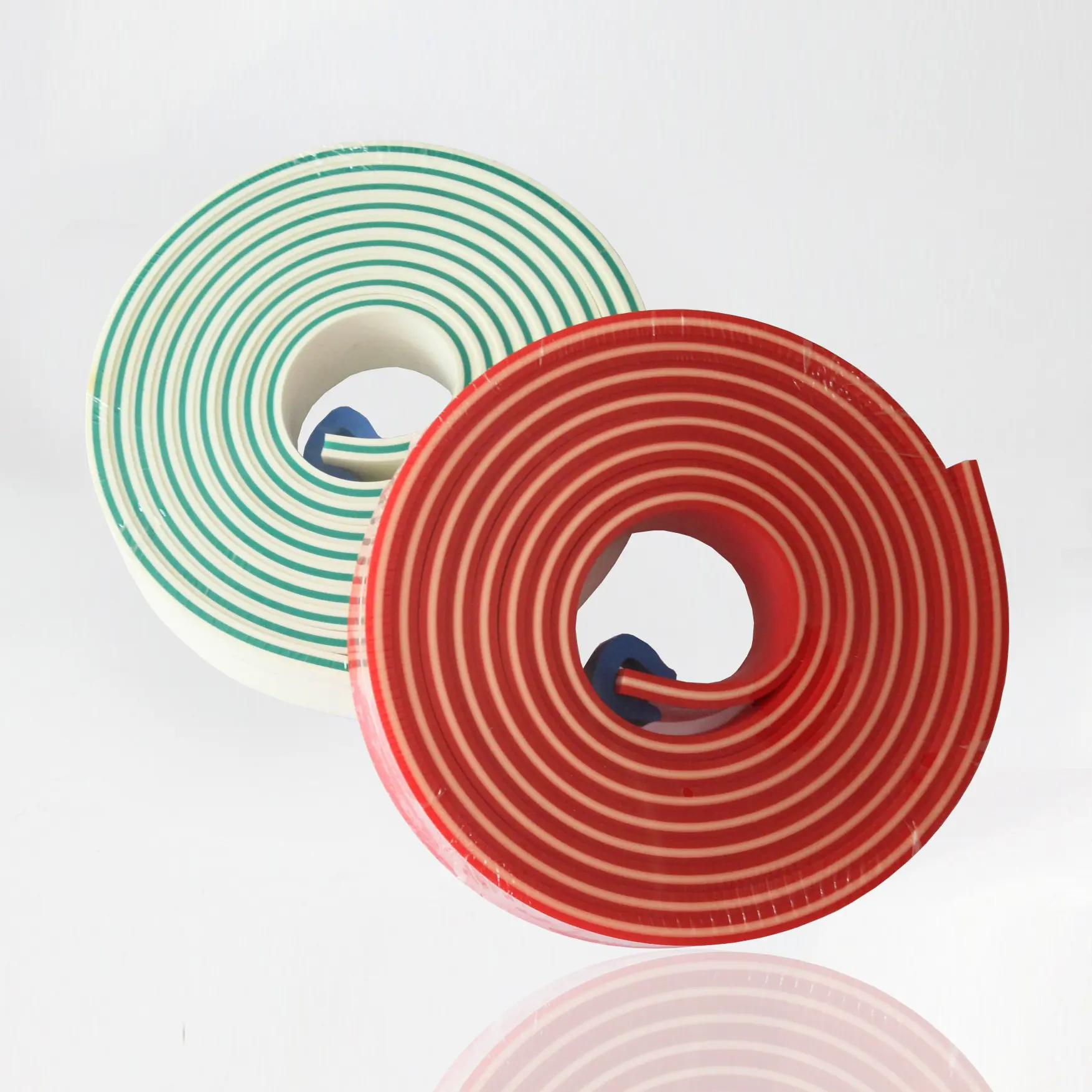
Hardness is listed from 50–90A. Standard color options include yellow, blue, white, red, coffee, and green, with other color requests available. Blade types include square, rounded, and V-cut profiles, among others. Considering size, hardness, color, and blade profile together can help buyers identify the requested configuration for their screen printing work.

Choosing squeegee blade hardness
Hardness affects how a squeegee blade flexes during printing and can help determine how it handles different inks and print requirements. The descriptions below outline common applications for 60, 70/75, and 80 durometer blades. Use them as a selection reference alongside your own process and the requirements of the job.
A 60 durometer squeegee is the softest option described here. Its greater flexibility is suited to more delicate printing and works best with thinner inks. A softer blade can also be useful for high-density printing because it allows a larger amount of ink to roll through the stencil. This makes hardness a practical consideration when the desired ink deposit is part of the print specification.
The 70/75 durometer range offers medium hardness and is the most commonly used option described. A 70 durometer blade works well across almost any screen printing application and is a useful starter choice for beginning screen printers. Its broad stated suitability makes it a practical general-purpose selection when a specific application does not call for a softer or stiffer blade.
An 80 durometer squeegee is very stiff and is suited to more intricate print jobs. It is also described as appropriate for thicker screen printing inks, including whites and other opaque plastisols. Matching blade hardness to ink behavior and the print task can help create a more suitable working setup and support consistent operator control.

Blade profiles, application, and care
The blade tip profile is another important selection factor. Square, rounded, and V-cut profiles are listed among the available types, while common printing descriptions also distinguish square, round, and beveled edges. Choose a profile with the intended ink deposit and substrate in mind, and verify that the shape is appropriate for the work being planned.
Square, or straight-edge, blades are cut flat across the bottom. They are the most common type and are used for general screen printing jobs. A round, or ball-nose, blade is used when a heavier deposit of ink is needed, such as on heavier substrates or with specialty inks. Beveled blades have an angle on one or both sides and are most often used when printing on curved or uneven substrates.
For day-to-day application, consider the surface, ink, desired deposit, blade hardness, and profile together rather than choosing on size alone. Before a print run, check that the blade is clean and that its working edge appears suitable for the intended job. After use, clean and store the squeegee blade appropriately for your shop’s process; keeping the edge free of residue makes it easier to assess condition and prepare it for later use.
The range of dimensions, hardnesses, colors, and profiles supports selection for varied screen printing applications. For a 40x7mm squeegee blade, confirm the required length and blade type as well as the hardness and color requested. These checks help purchasing teams specify the desired configuration and help printers prepare a blade suited to their particular print task.