
Need Help?
Our engineers can confirm the specification, voltage and shipping cost for your market.
Send InquirySelf Stretching Roller Aluminum Screen Printing Frame
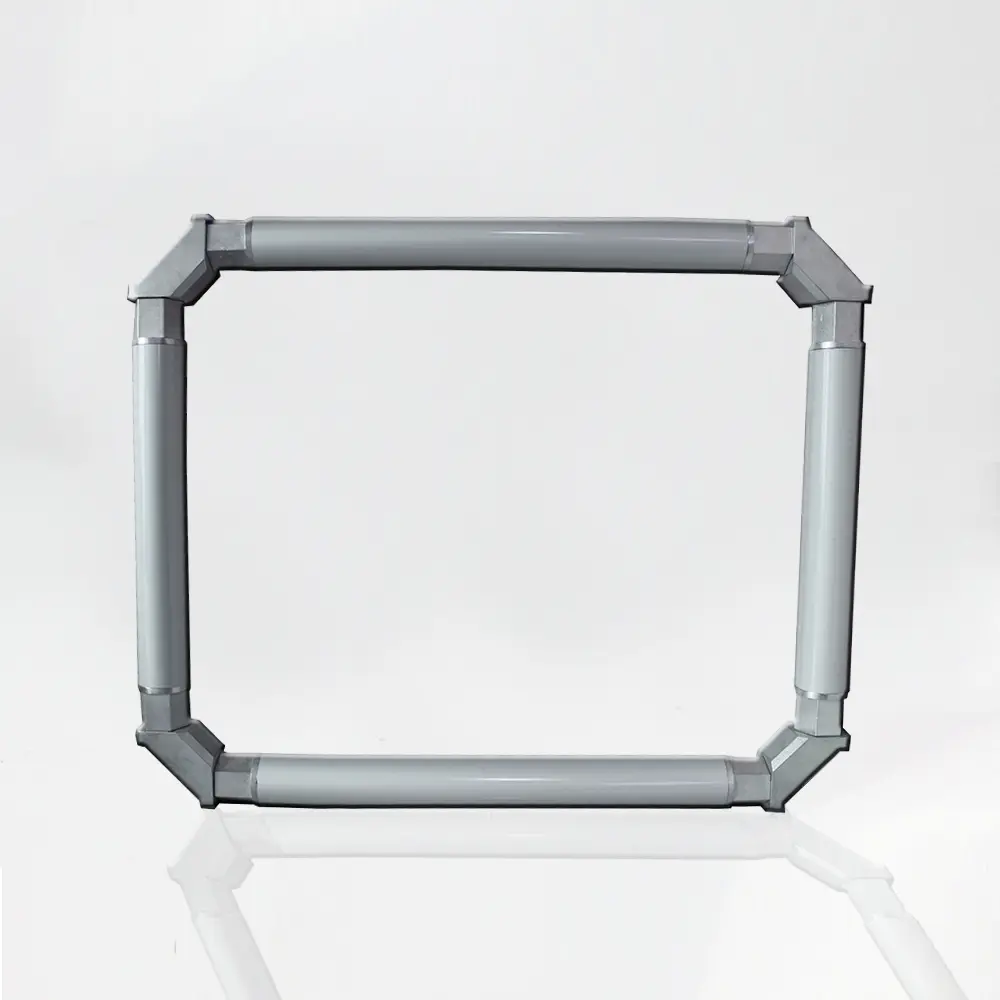
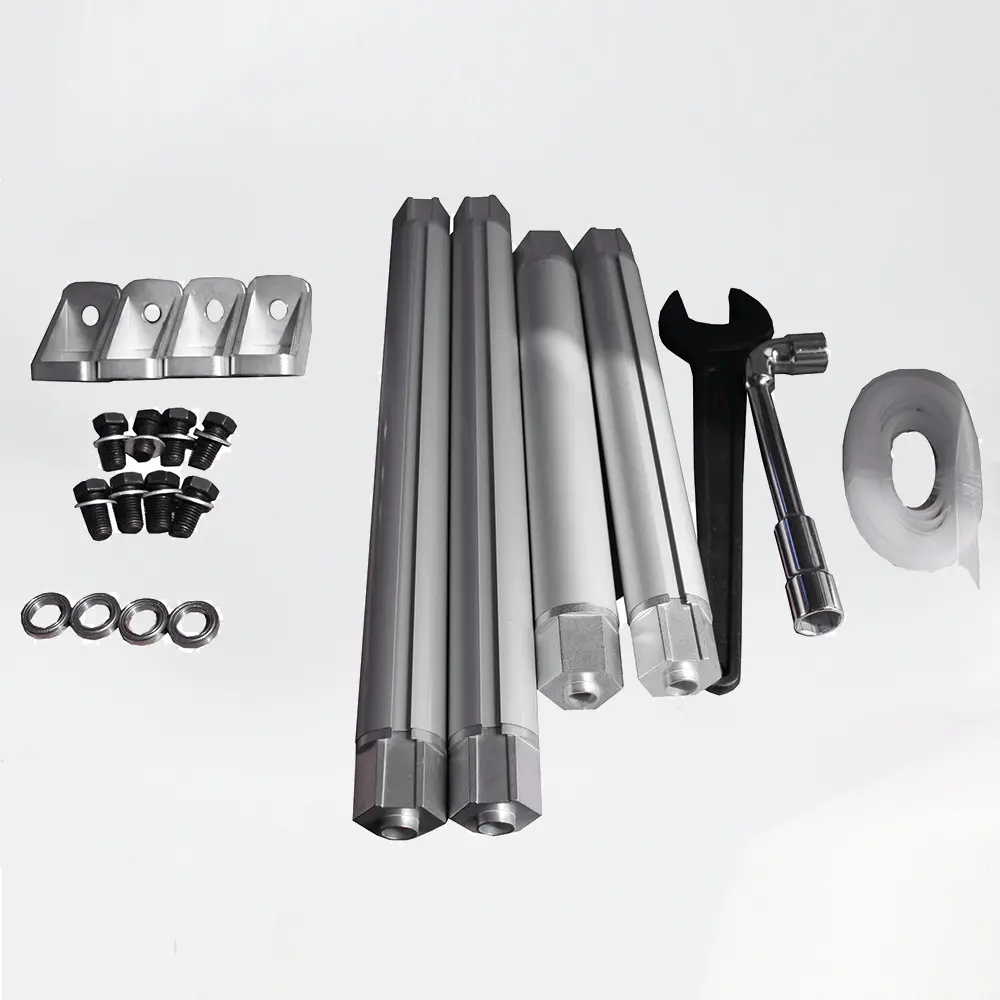
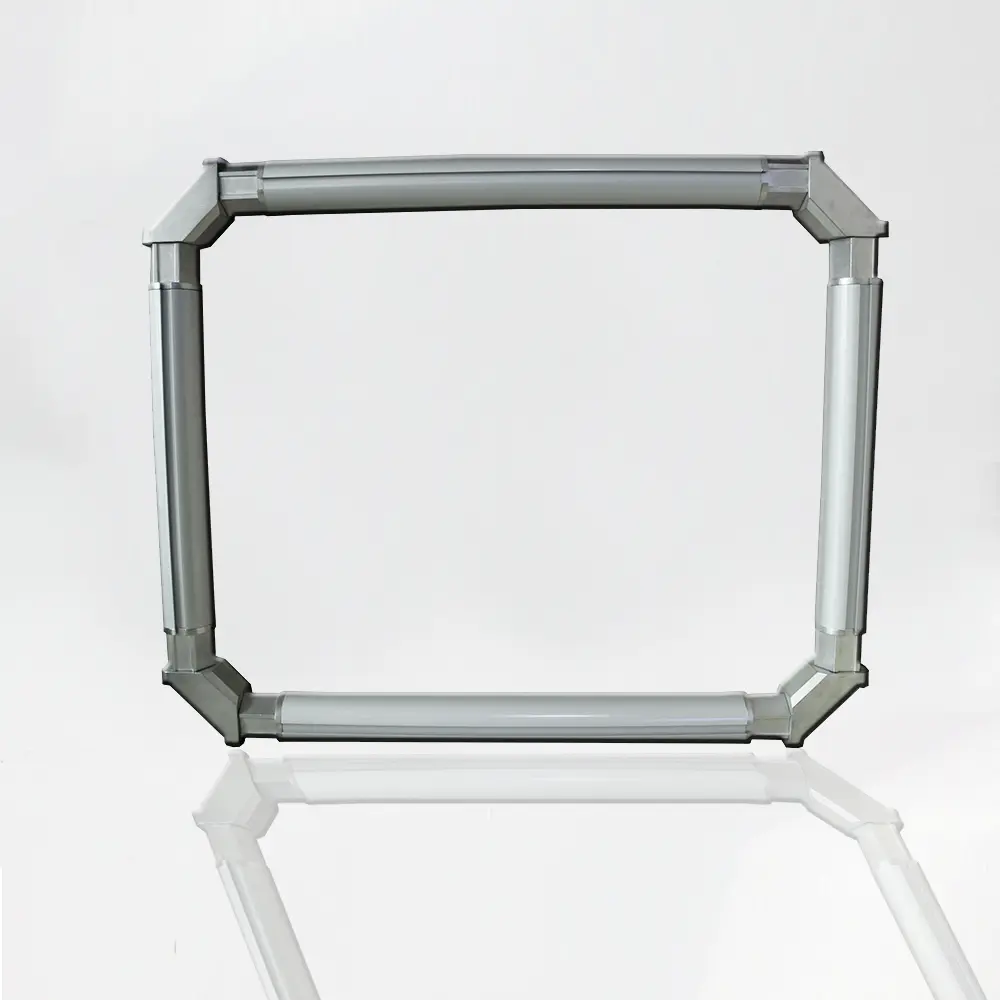
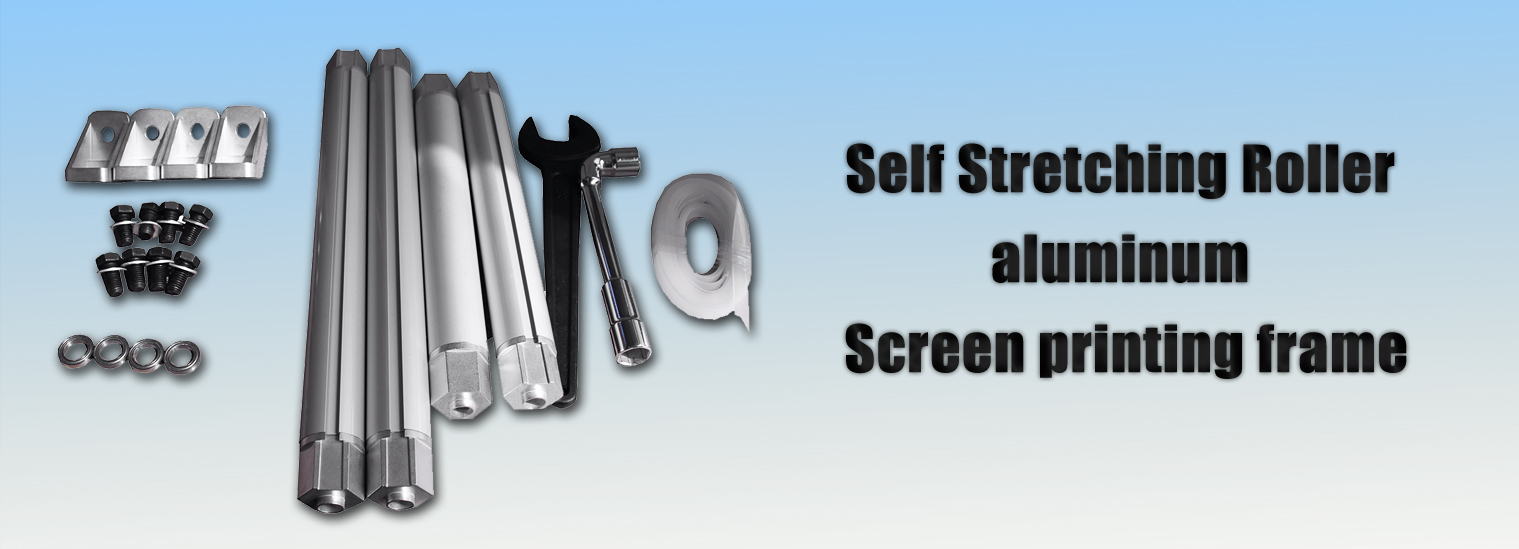
Self Stretching Roller Aluminum Screen Printing Frame
The Self Stretching Roller aluminum screen printing frame is designed for screen printers seeking a reusable frame system that supports mesh tension, stable printing, and consistent production. The product description notes more than 30 years of proven technology behind the Self Stretching Roller Frame. Rather than serving only as a rigid frame, its retensioning capability is intended to strengthen the characteristics of the mesh with each retensioning between print runs and after reclaiming.
Maintaining mesh tension is important to a dependable screen-printing workflow. This frame is intended to help printers retain control of their screens as work moves between production runs and reclaiming. The product description associates the use of high-tension screens with improvements in print quality and printing efficiency. Together, these qualities make the frame a practical option for print operations focused on maintaining output quality while managing repeat production tasks.
Its aluminum construction and roller-frame design suit screen-printing environments where a frame must be handled, used in production, and cleaned for ongoing work. A lightweight frame can be quicker and easier to handle during setup and routine movement, while the stated focus on rigidity and stability supports controlled screen use. Carefully welded corners are specified to provide leak-free frames, an important construction detail when screens are prepared and used in printing workflows.
For buyers comparing screen printing frames, JM01SH combines a stated range of frame sizes with a listed mesh tensile strength range. Choose a size suited to the intended screen-printing job and equipment setup, and use the frame within the operating practices of your print shop. The frame is described as helping maintain quality, productivity, and control rather than as a one-time-use screen support.
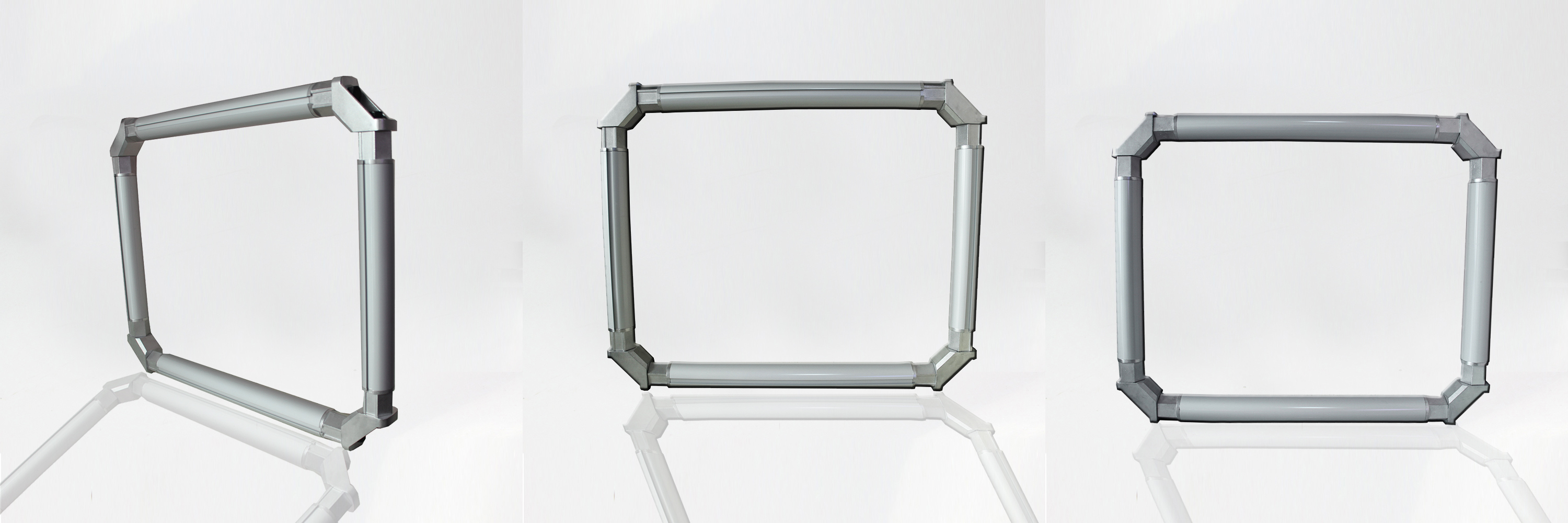
JM01SH Specifications and Available Sizes
The following product specifications are provided for the JM01SH Self Stretching Roller aluminum screen printing frame. Confirm the required frame size and suitability for your screen-printing application before ordering. The source lists the frame sizes and the shared roller-frame details below.
| Model number | JM01SH |
|---|---|
| Roller frame size | 18″x22″; 20′x24′; 23′x31′; 25′x36′; 20x30cm; 30x40cm; 50x60cm; 60x70cm; 50x70cm; 100x100cm; 120x120cm; 120x150cm |
| Diameter | 41MM |
| Thickness | 1.5MM |
| Mesh tensile strength | 25N/cm-85N/cm |
| Material | aluminum |
The listed size range includes inch-marked and centimeter-marked options. The diameter, thickness, mesh tensile strength, and aluminum material are stated as product specifications; no additional tolerances or operating limits are specified here. Matching the frame size to the screen and job requirements helps support a more organized setup and allows buyers to compare this model against their production needs without assuming unlisted dimensions or performance data.
Use and Retensioning in Screen Printing
The Self Stretching Roller Frame is intended for use as a screen printing frame in workflows where mesh tension and repeatable screen preparation matter. Its described retensioning capability is relevant between print runs and after reclaiming, giving printers a way to continue managing screen tension as a screen returns to production. The product information highlights the role of high-tension screens in print quality and printing efficiency, making tension management a central value of this frame system.
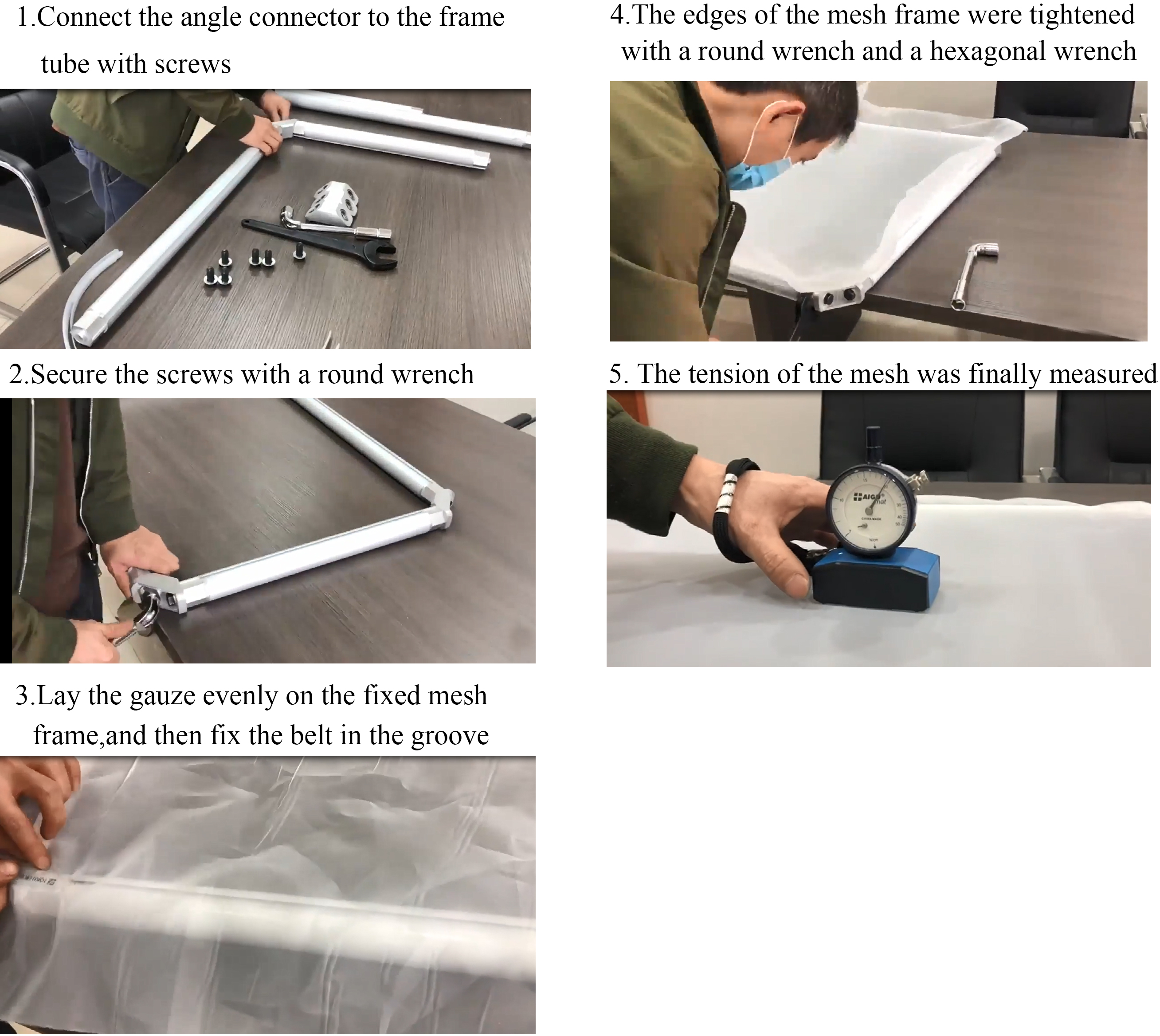
In practical use, select an available frame size suitable for the screen and printing setup, prepare the screen according to your shop’s established process, and follow the applicable handling and retensioning practices for the frame. The supplied product information does not provide a detailed step-by-step setup procedure, so operation should follow the relevant equipment and screen-preparation instructions used by the printer. The lightweight design is described as supporting quick and easy handling, while the humanized design is intended to improve production efficiency.
After a print run, the frame can be included in the established screen reclaiming and preparation workflow. The product description specifically refers to retensioning after reclaiming, supporting continued use across production cycles. Easy cleanup and long-lasting durability are also listed as product benefits. Keeping the frame clean as part of normal screen-room practice helps it remain ready for subsequent work; no special cleaning chemical or maintenance schedule is specified.
Construction Features and Applications
Product features
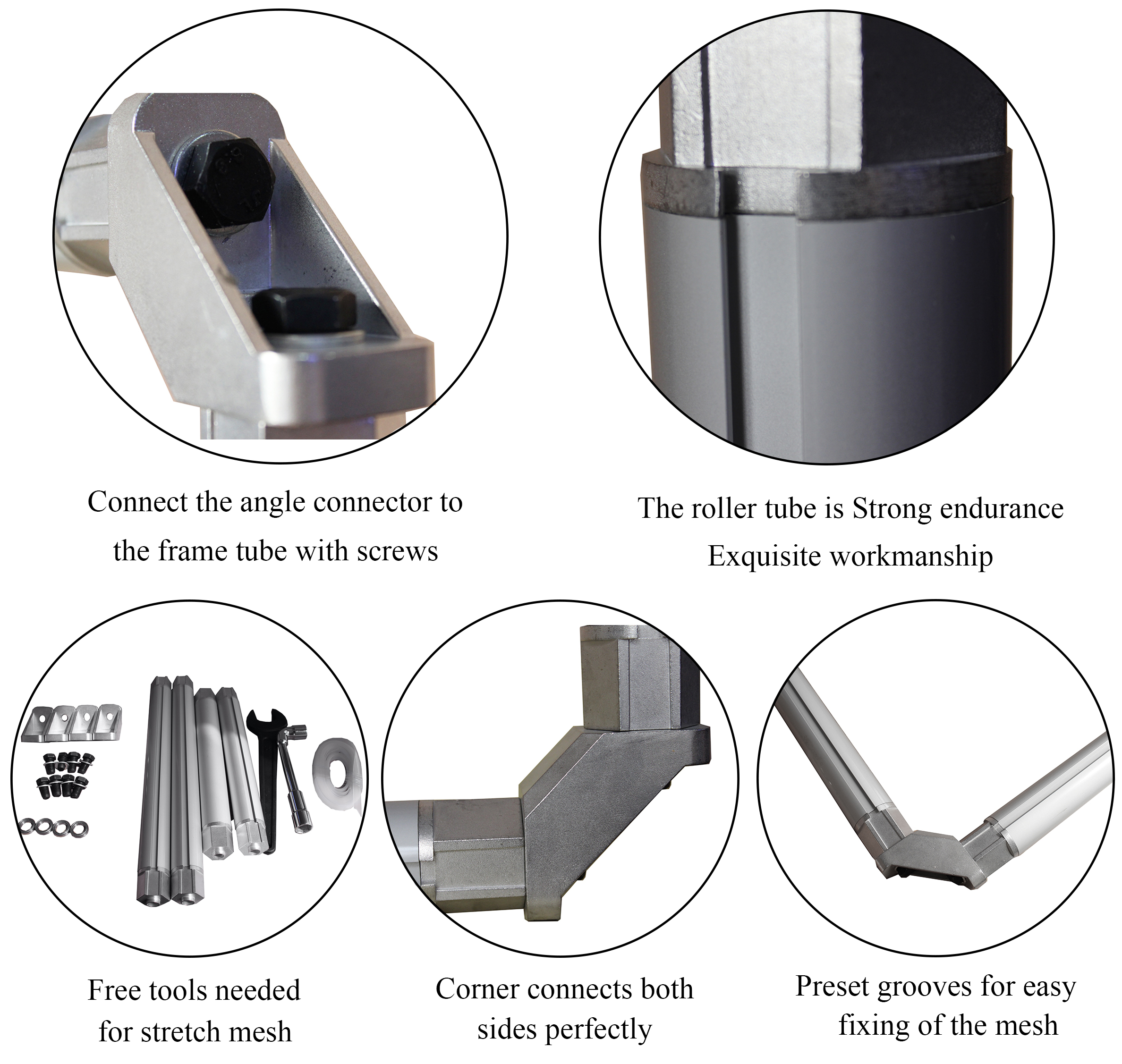
- Lightweight frame designed for quick and easy handling.
- Humanized design intended to improve production efficiency.
- Easy cleanup and long-lasting durability.
- Carefully welded corners provide leak-free frames.
- Retensioning between print runs and after reclaiming supports mesh tension management and the frame’s stated focus on quality, productivity, and control.
Product applications
The listed applications cover a range of screen-printing work, from textile and large-format advertising jobs to specialized printing uses. Suitability for a particular job depends on the frame size and the printer’s process. The product is specified for the following applications:
- Textile screen printing industry.
- Large advertisement industry.
- Auto-printing machine applications.
- Christmas card and invitation card printing.
- High precise LCD, CD, high precise multi-layered circuit board, and electronic printing.
Whether used for textile graphics, advertising, cards, machine printing, or the listed electronic printing applications, the JM01SH frame offers an aluminum roller-frame option with stated size choices and mesh tensile strength. Its construction and reusable retensioning approach make it relevant to production teams that value practical handling, cleanup, and screen control throughout their printing workflow.