
Need Help?
Our engineers can confirm the specification, voltage and shipping cost for your market.
Send InquiryDouble Layer Aluminum Screen Printing Squeegee Handle China Factory Suppliers


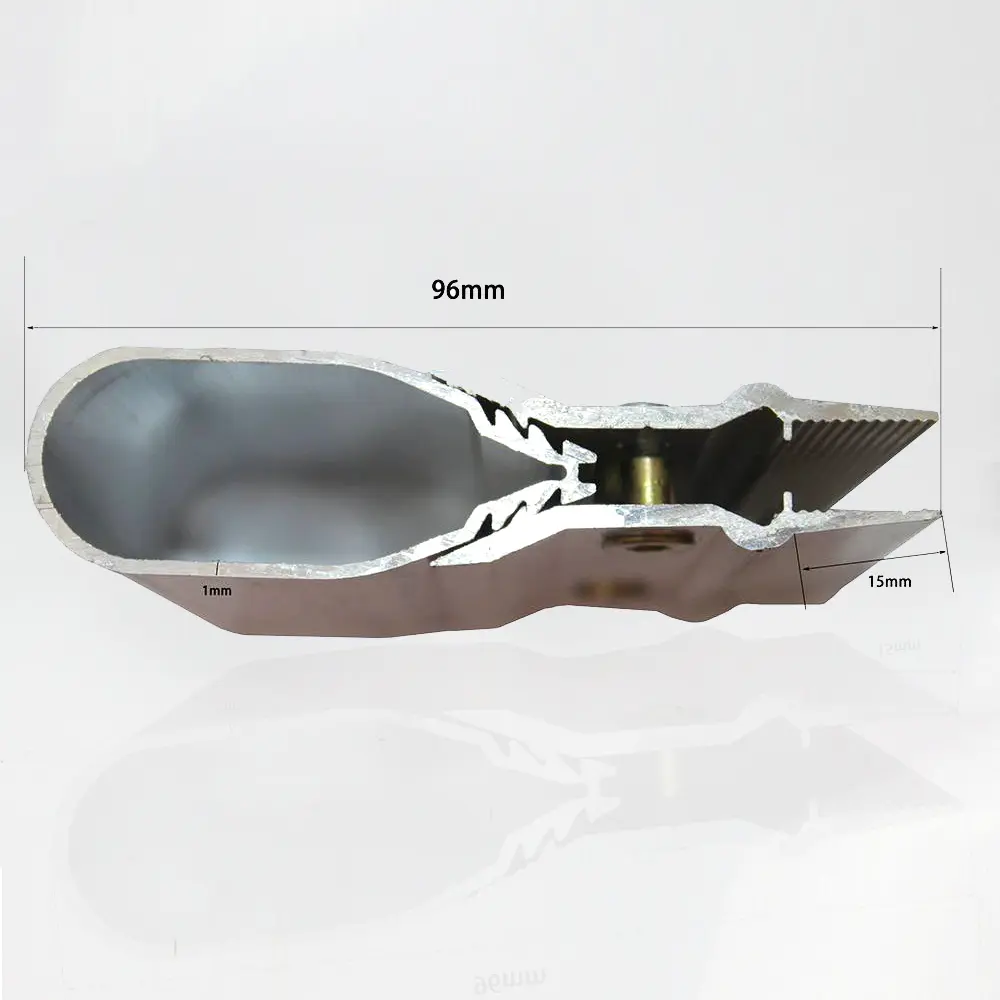
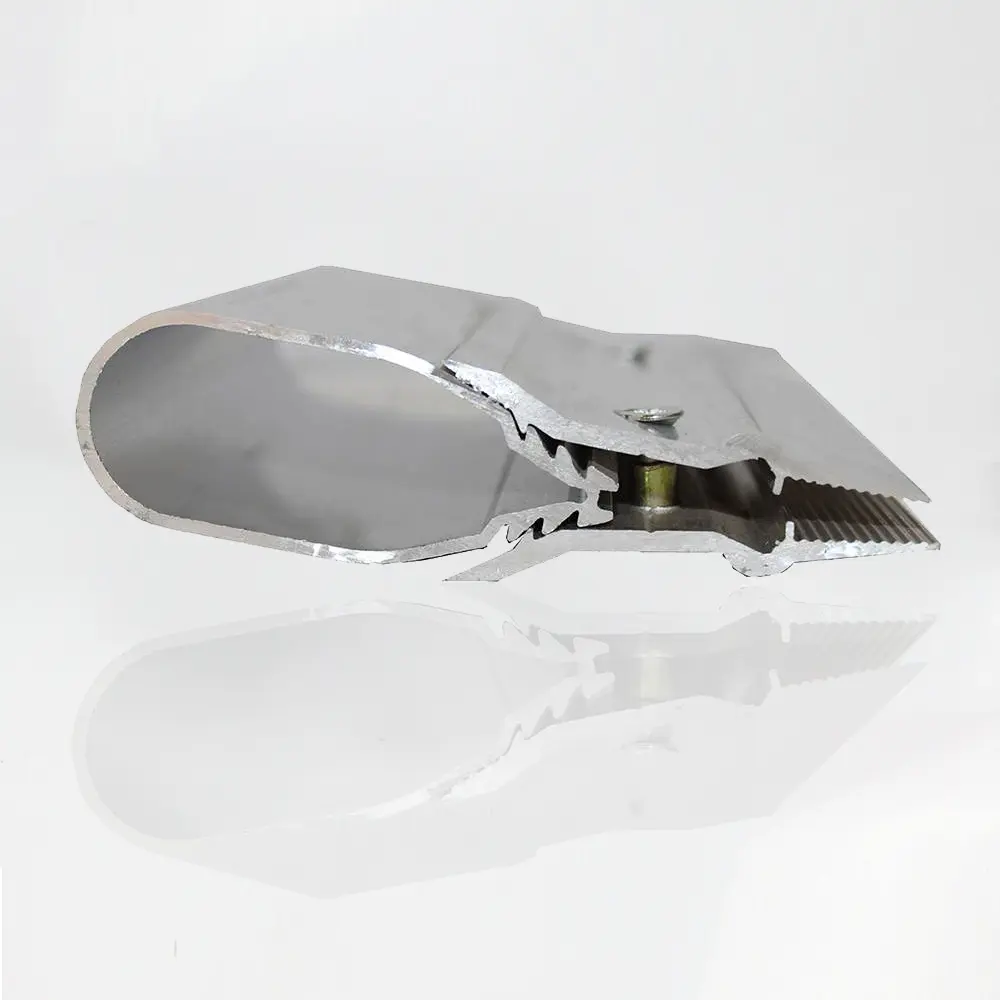
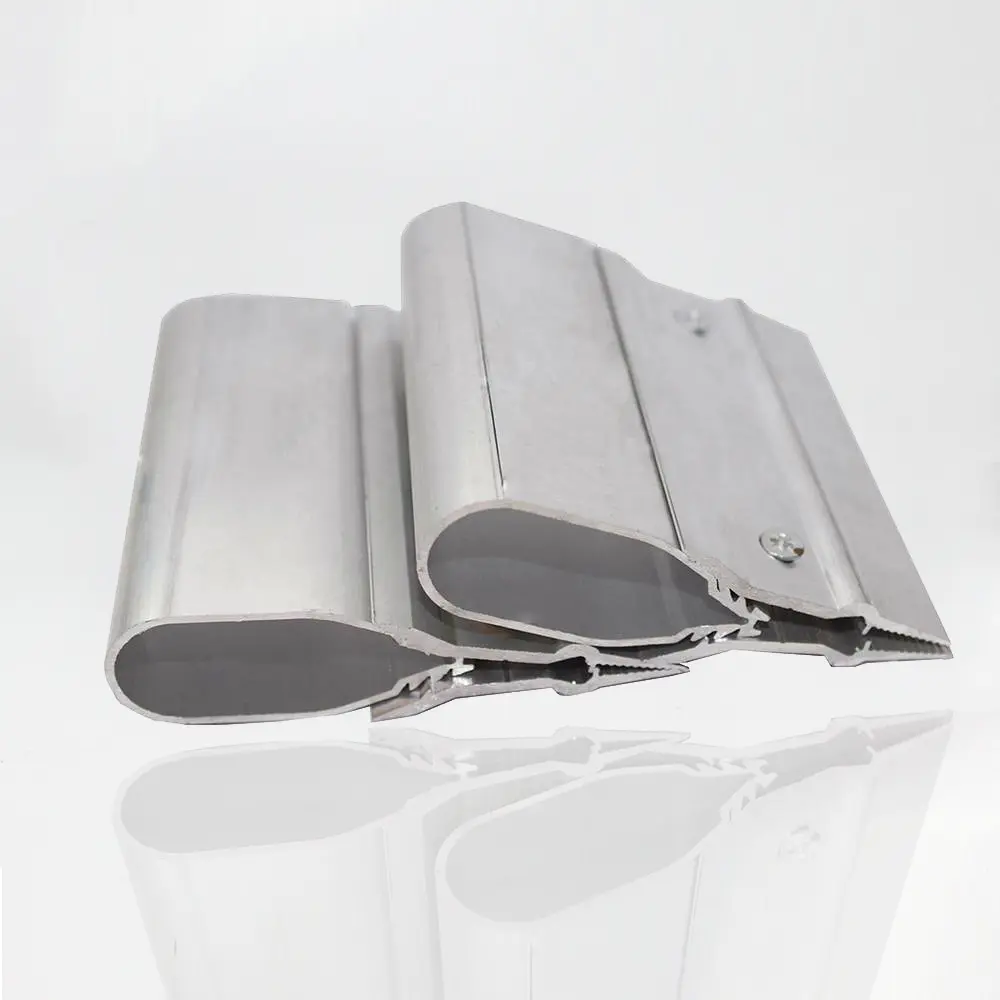
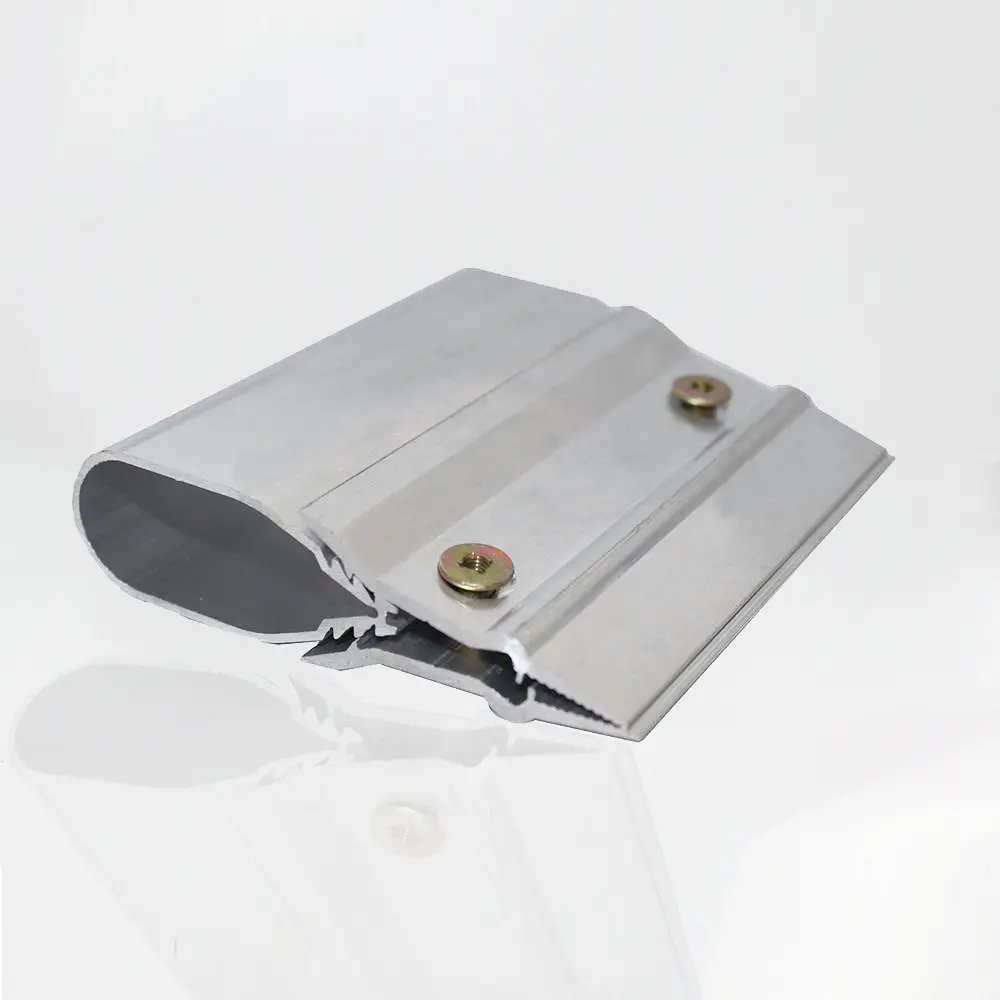
Designed for professional screen printing, the Double Layer Aluminum Screen Printing Squeegee Handle provides a stable base for controlled ink application. Its high-grade aluminum construction supports consistent pressure during printing and helps maintain print quality across a range of substrates.
The double-layer design offers added rigidity and durability for demanding production environments. It is suited to use with solvents and ink pastes, with low swelling and resistance to chemical erosion. This reusable handle is a practical choice for screen printers seeking dependable performance and straightforward rubber blade replacement.
Product Specifications
| Product Name | Double Layer Aluminum Squeegee Handle | Material | High-Grade Aluminum |
|---|---|---|---|
| Handle Size | 96mm 1mm | Application | Professional Screen Printing |
| Structure | Double Layer Design | Chemical Resistance | Excellent (Solvents/Pastes) |
| Fixing Method | Pre-drilled Screws | Screw Interval | Every 3 Inches |
| Rubber Replacement | Easy-access Screw System | Swelling Rate | Minimal/Low |
Key Features and Benefits
Resistance to Solvents and Pastes
Built to handle harsh solvents and ink pastes while helping limit deformation and swelling during use.
Convenient Blade Replacement
Pre-drilled holes and accessible screws make rubber replacement straightforward and help reduce changeover time.
Rigid Double-Layer Construction
The double-layer aluminum structure helps resist bending and supports even ink distribution across the print.
Consistent Printing Control
A stable handle helps maintain a consistent squeegee angle and pressure for precise image reproduction.
Ready for Industrial Use
Designed for demanding manufacturing settings and extended production cycles.
Flexible Rubber Compatibility
Compatible with a broad range of squeegee rubber widths and hardnesses.
Product Gallery
Production and Maintenance Support
Tooling Inventory
Organize and track aluminum handles and rubber blades to support efficient production planning.
Maintenance Planning
Plan rubber replacements around print volume to help keep output consistent.
Quality Checks
Check for handle wear and rubber deformation to help identify potential print defects early.
Solvent Compatibility
Match the handle material to the ink and cleaning solvents used in your process.
Consumable Tracking
Keep a record of squeegee blade service life alongside aluminum handle use.
Process Adjustment
Review handle tension and pressure settings to help achieve the desired ink deposition.
Handle Comparison
| Feature | Standard Wood Handle | Double Layer Aluminum |
|---|---|---|
| Service Life | Short (Prone to Warping) | Extremely Long |
| Chemical Stability | Low (Absorbs Solvents) | High (Chemical Inert) |
| Pressure Consistency | Variable/Bends | Constant/Rigid |
| Blade Replacement | Slow/Manual | Fast/Pre-drilled |
| Long-Term Value | Frequent Replacement | One-time Investment |
Frequently Asked Questions
The double-layer construction provides increased rigidity and helps prevent the handle from bowing under pressure. This is particularly useful in large-format screen printing, where uniform pressure supports consistent ink thickness.
The pre-drilled screw system is designed to secure a wide range of rubber blades, including options with different hardness levels and materials.
High-grade aluminum is selected for its resistance to solvents. The handle is designed to resist corrosion and swelling during cleaning and regular use.
Replacement timing depends on the abrasiveness of the ink and substrate. Change the blade when print sharpness declines; the screw-fastened system allows for quick replacement.
It is primarily intended for manual use or compatible holders. Its dimensions and rigidity may also suit various semi-automatic and automatic printer adaptations.
The three-inch screw spacing helps secure the rubber blade along its length, reducing gaps or flutter during the printing stroke for a smoother result.