
Need Help?
Our engineers can confirm the specification, voltage and shipping cost for your market.
Send Inquiry190 Yellow Screen Mesh 55 Micron Thread 50X1M
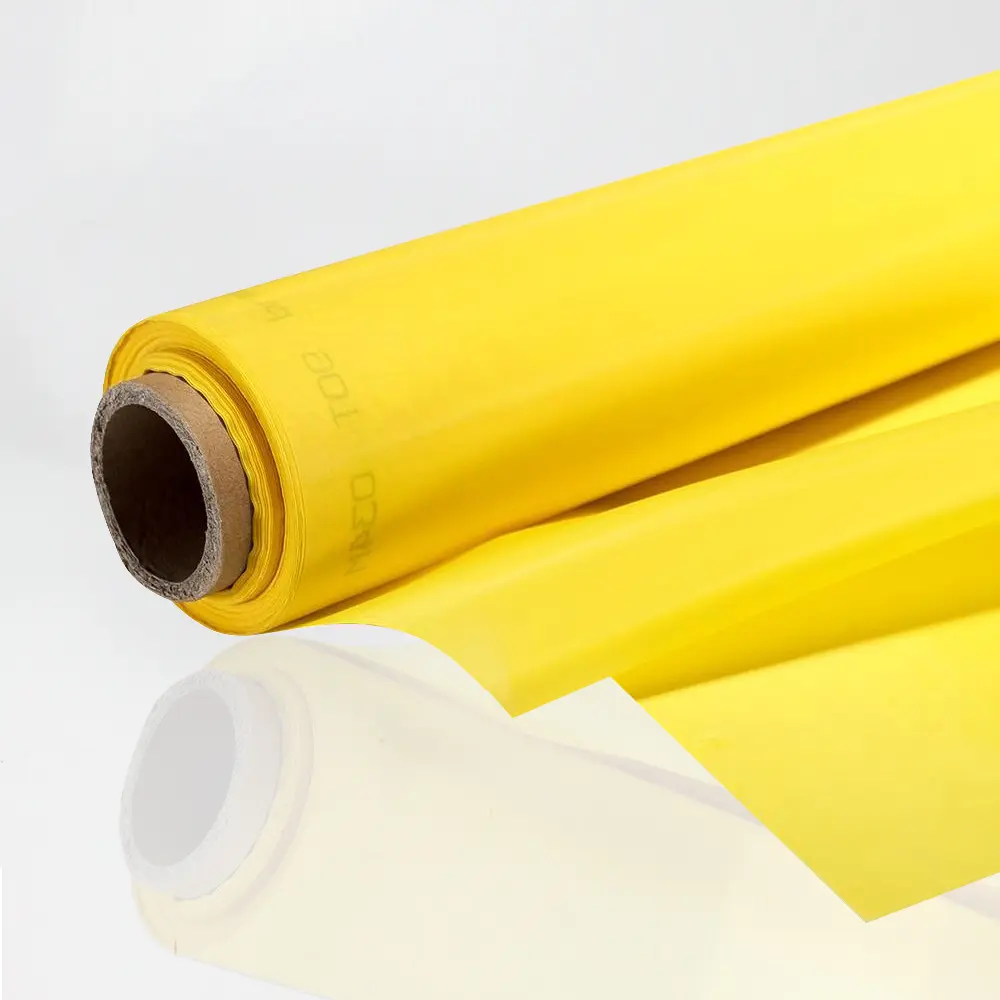
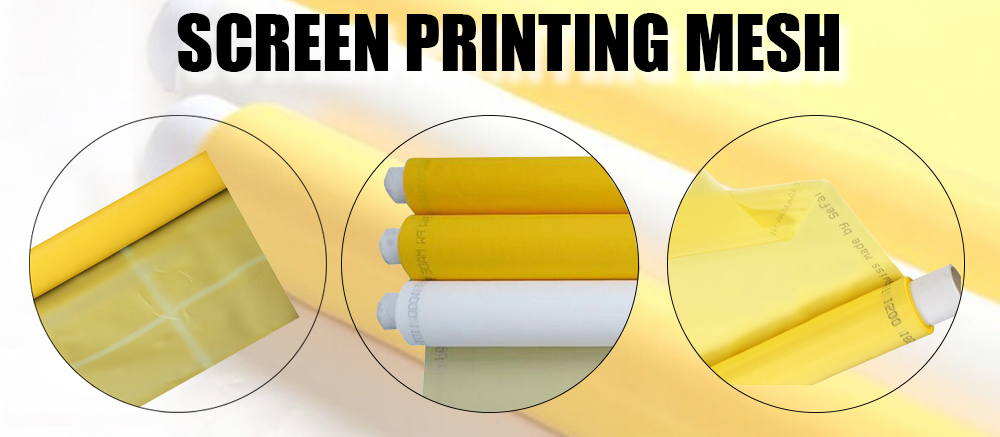
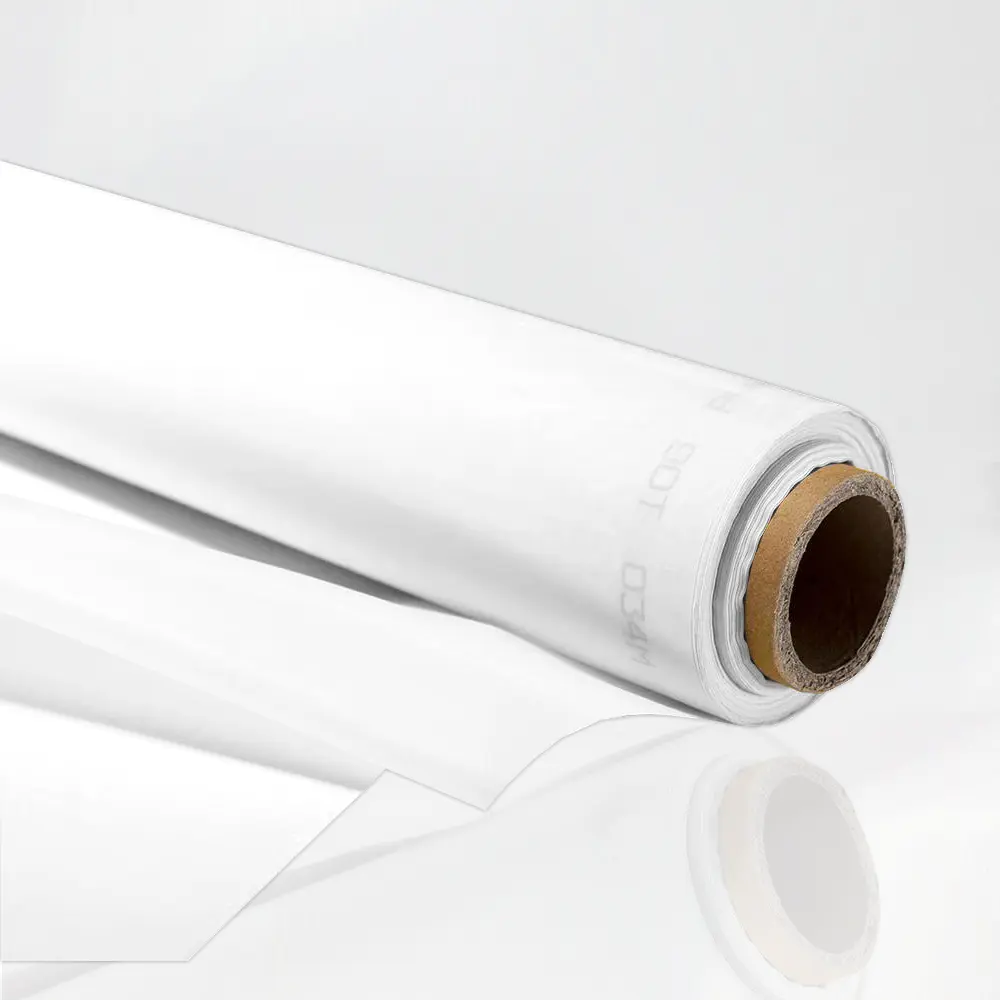
190 Yellow Screen Mesh 55 Micron Thread – 50″x1m
This 190 yellow screen mesh is identified by the product title as having 55 micron thread and a 50″x1m size designation. It is a screen-printing mesh option for users who need a woven material for controlled ink or other material transfer through a prepared screen. The product specification table identifies the range and available options for model JM-03. Because the listed specifications cover multiple mesh counts, wire diameters, apertures, widths, and colors, confirm the required configuration for your job before ordering.
The mesh is made from 100% polyester and uses a plain woven construction. Those details provide a clear basis for comparing this screen material with the needs of a printing workflow. Yellow and white are among the available colors, and the stated standard length is 50 m per roll. The title describes a particular product size and mesh, while the table below presents the broader range of specifications offered for this model.
| Model | JM-03 |
| Material | 100% polyester |
| Woven type | plain woven |
| Mesh count | 30-500 mesh/inch(13 T~165 T ) |
| Wire diameter | 27-200 μm |
| Aperture | 23-680 μm |
| Width | 1.27 m, 1.65 m, 1.83 m, 2.30 m, 3.30 m, 3.60 m, etc |
| Color | white, yellow, etc. |
| Standard length | 50 m/roll |
Construction and operational features
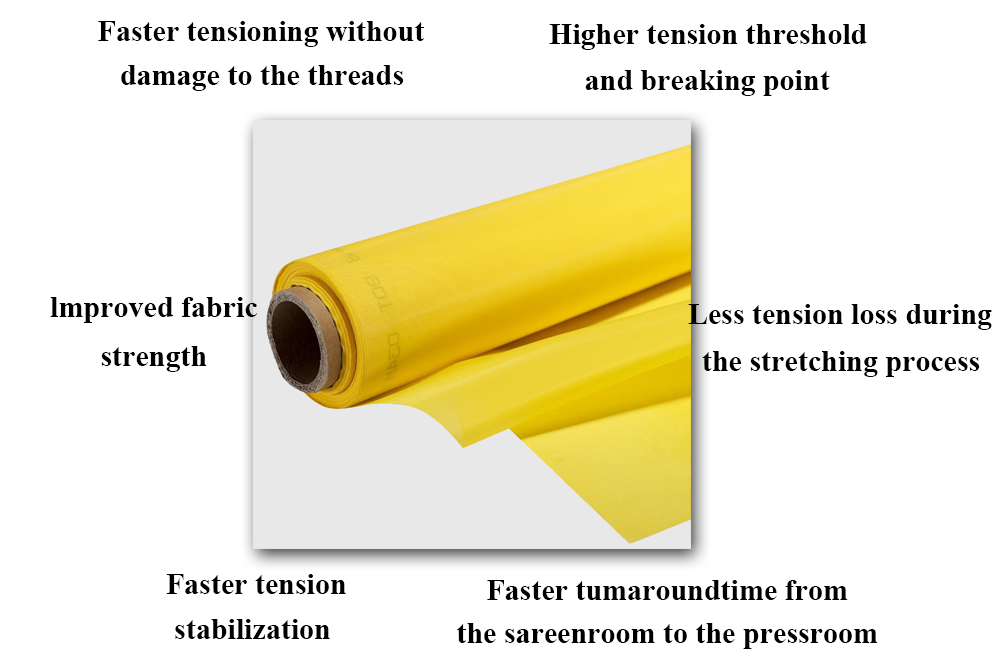
JM-03 screen mesh is described as low in elasticity and high in tension. These characteristics are relevant when preparing a screen for repeatable printing: the mesh is intended to hold its tension during setup and use, while its accurately standardized mesh structure is designed to support uniformity across the material. Consistency in the mesh can help operators plan screen preparation and printing work with a predictable substrate, though the result of any print also depends on the selected mesh, artwork, ink, screen preparation, and process conditions.
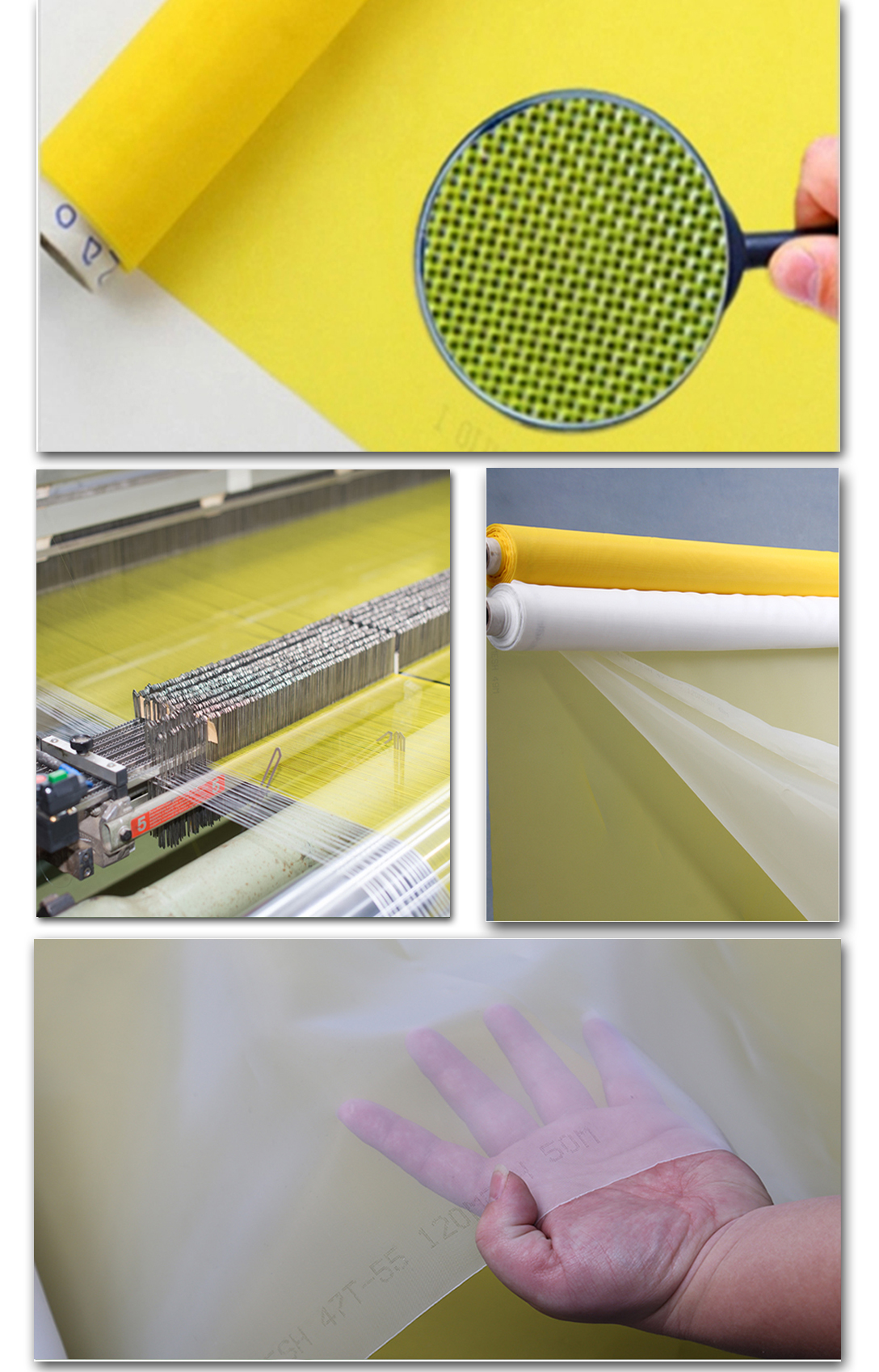
The product information notes the use of imported weaving machines and material. It also states that the mesh offers acid resistance and alkali resistance. These are useful material properties to consider when matching a screen mesh to the demands of a production environment. Check compatibility with the specific substances and handling procedures used in your process rather than assuming every chemical or cleaning method is suitable.
A selection of colors and mesh types is available. The listed options support different requirements, including filtering, waterproof applications, and printing functions. For operational planning, compare the needed mesh count and opening with the material being transferred and the detail required in the finished work. Keeping those job requirements in view helps narrow the available options without treating one mesh specification as suitable for every application.
• Low elasticity and high tension support screen preparation and consistent handling.
• Accurate standard mesh is intended to help guarantee uniformity.
• Imported weaving machines and material are used.
• The mesh is described as acid resistant and alkali resistant.
• Various colors are available.
• Different mesh options are available for filtering, waterproof, and printing functions.
Screen printing applications
This polyester screen mesh is presented for use across a range of printing work. Listed application areas include ceramic, PCB, textile, glass, large poster, membrane switch, packing, screen, image, and medical equipment printing. These varied uses make it important to select a mesh count in line with the job rather than relying on a single general-purpose choice. Consider the substrate, the image detail, the material being printed, and the intended ink or transfer method as part of screen selection.
In a production setting, selecting the appropriate mesh can help align the screen with the required coverage and degree of detail. A coarser mesh may be preferred for certain heavier deposits, while finer mesh counts are included in the guidance for detailed or process work. The recommendations below offer starting points for common screen-printing situations; they are selection guidance, not a substitute for matching the mesh to the actual job and materials.
APPLICATION
Ceramic, PCB, textile, glass, large poster, membrane switch, packing, screen, image, and medical equipment printing, among other applications.
Choosing mesh count and planning supply
The appropriate mesh count depends on the print task. Use the product guidance below to compare common counts with their stated applications. Recommendations address glitter inks, opaque colors on dark fabric, general textile printing, finer line work, lightweight materials, graphics, and process work. When choosing between available options, consider how the screen needs to balance ink passage and image detail for your specific application.
Choose the Right Mesh Count
60 Mesh - A coarse mesh count for use with glitter inks.
86/90 Mesh - Recommended for printing opaque white or light colors onto dark fabric to allow maximum opacity.
110 Mesh - Recommended for general textile work, printing light on dark and dark on light.
125/160 Mesh - Recommended for general textile work with some finer detail or line work.
180/200 Mesh - Textiles; smooth and light fabric, half-tone, general work.
230/250 Mesh - Textiles; extremely light material, graphics, general work.
305/355 Mesh - Process work.
For purchasing and production planning, the specification table lists widths of 1.27 m, 1.65 m, 1.83 m, 2.30 m, 3.30 m, and 3.60 m, among others, along with a standard length of 50 m per roll. The full range includes mesh counts from 30 to 500 mesh/inch (13 T to 165 T), wire diameters from 27 to 200 μm, and apertures from 23 to 680 μm. These are model range specifications; confirm the requested configuration, including color and mesh count, when sourcing material for a particular production run.
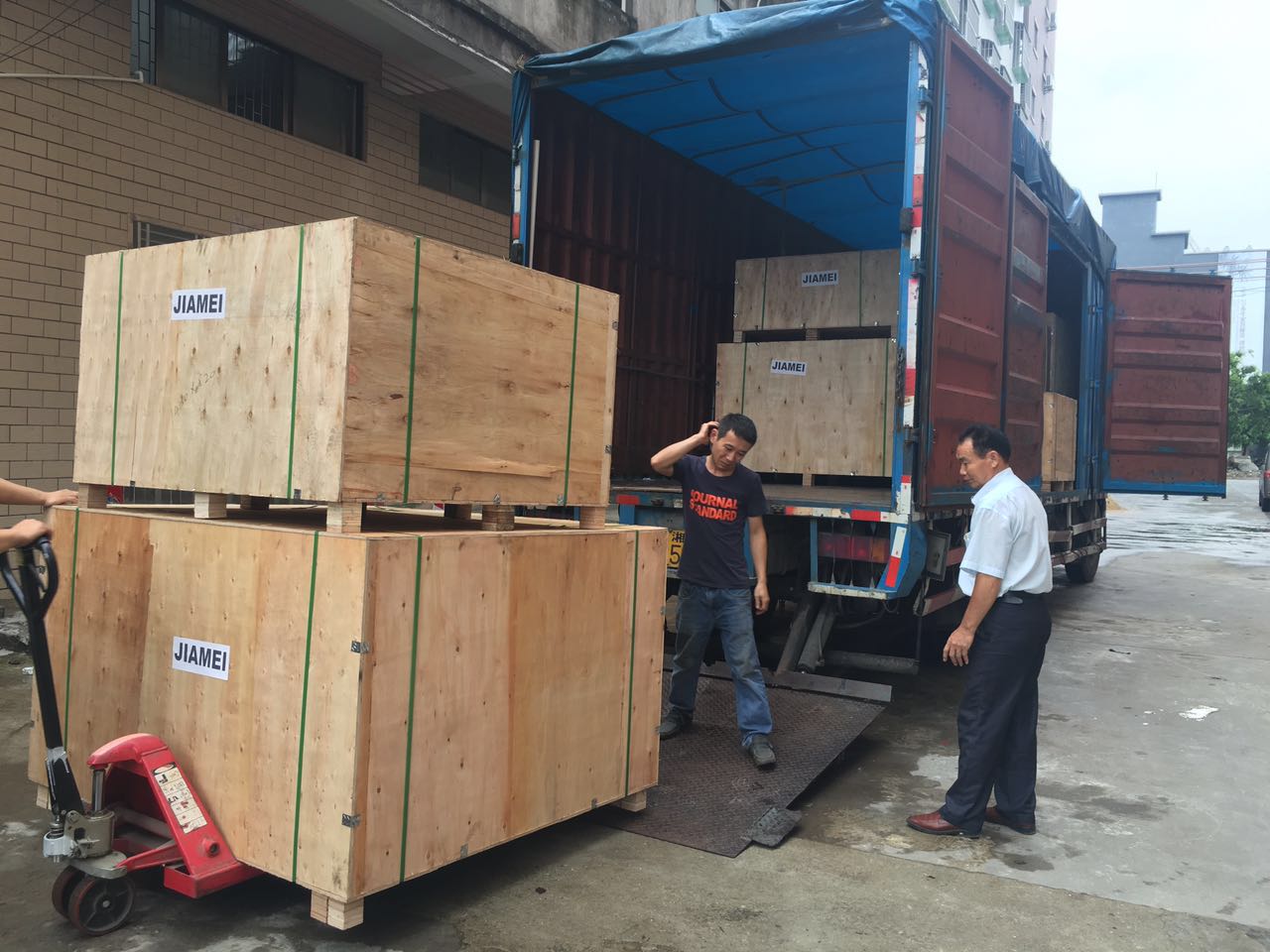
To support dependable use, handle and prepare the mesh according to your established screen-making and printing procedures. Inspect the material during setup and choose cleaning and storage practices compatible with your process. The product information includes packing and shipping details in the accompanying image; consult it alongside the confirmed order configuration when coordinating supply.
PACKING&SHIPPING