
Need Help?
Our engineers can confirm the specification, voltage and shipping cost for your market.
Send Inquiry100 White Screen Mesh 80 Micron Thread
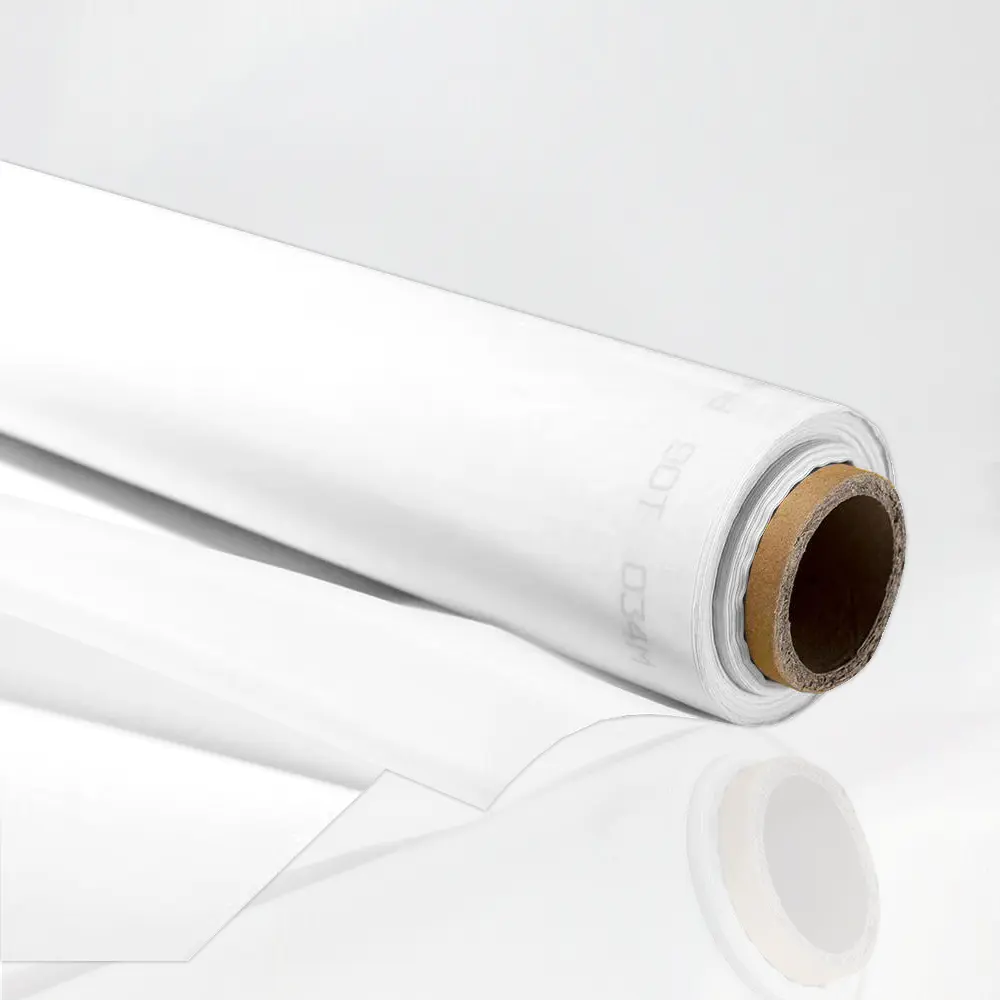
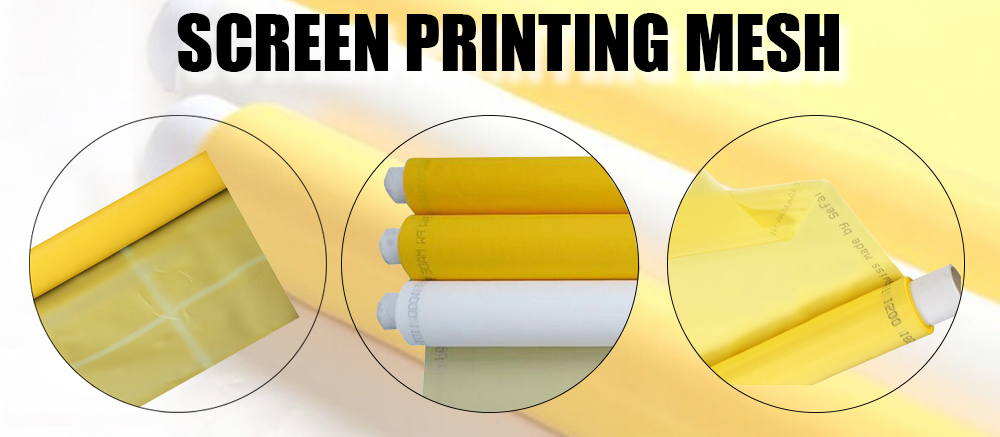
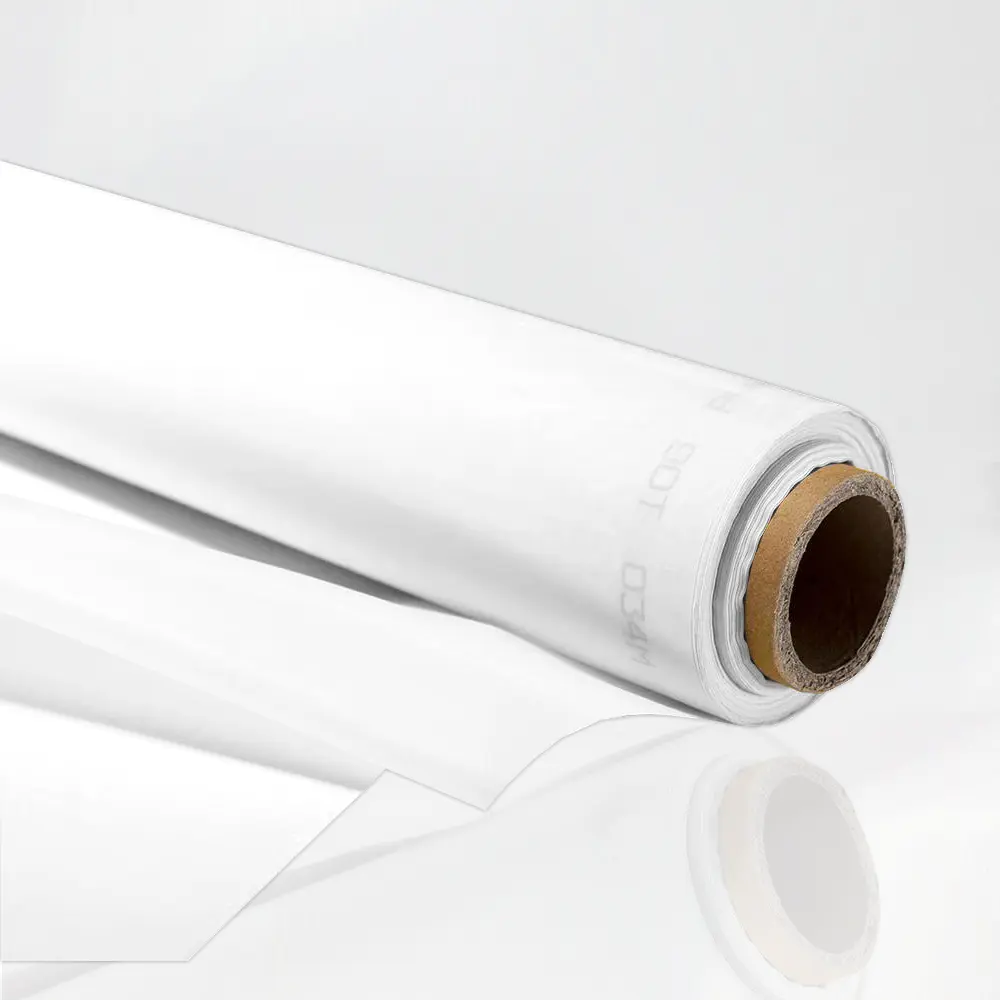
110 White Screen Mesh 55 Micron Thread – 50″x1m
This white screen printing mesh is identified as 110 mesh with a 55 micron thread and the product size designation 50″x1m. Its listed model is JM-03, and the material is 100% polyester in a plain woven construction. These details provide a clear starting point when comparing mesh for a printing setup, planning screen preparation, or selecting a mesh count for a particular job.
The product specification table gives the broader available ranges and options for this mesh type. Individual requirements can differ by application, so refer to the supplied mesh-count guidance and confirm the required configuration for the intended work. The listed standard roll length is 50 m per roll; the specification also lists several width options and white or yellow color availability.
As a screen printing material, the mesh forms the fabric surface used to support a prepared screen and transfer ink through selected areas of the stencil. Matching the mesh to the print process helps users consider ink deposit, detail, and the type of substrate involved. The 110 mesh count is described as suitable for general textile work, including printing light on dark and dark on light.
Mesh specifications and available options
Use the specifications below to review the material, weave, mesh-count range, and listed dimensions. The values describe the stated product range and should not be read as additional, model-specific measurements beyond the product title and table.
| Model | JM-03 |
| Material | 100% polyester |
| Woven type | Plain woven |
| Mesh count | 30–500 mesh/inch (13 T–165 T) |
| Wire diameter | 27–200 μm |
| Aperture | 23–680 μm |
| Width | 1.27 m, 1.65 m, 1.83 m, 2.30 m, 3.30 m, 3.60 m, etc. |
| Color | White, yellow, etc. |
| Standard length | 50 m/roll |
The range of mesh counts and widths supports selection across different screen printing requirements. Review the count in relation to the intended design and ink, and consider the listed width and roll length when planning material use. Where a project has particular screen or production requirements, checking those requirements before ordering can help ensure the selected option is appropriate.
Construction and practical benefits
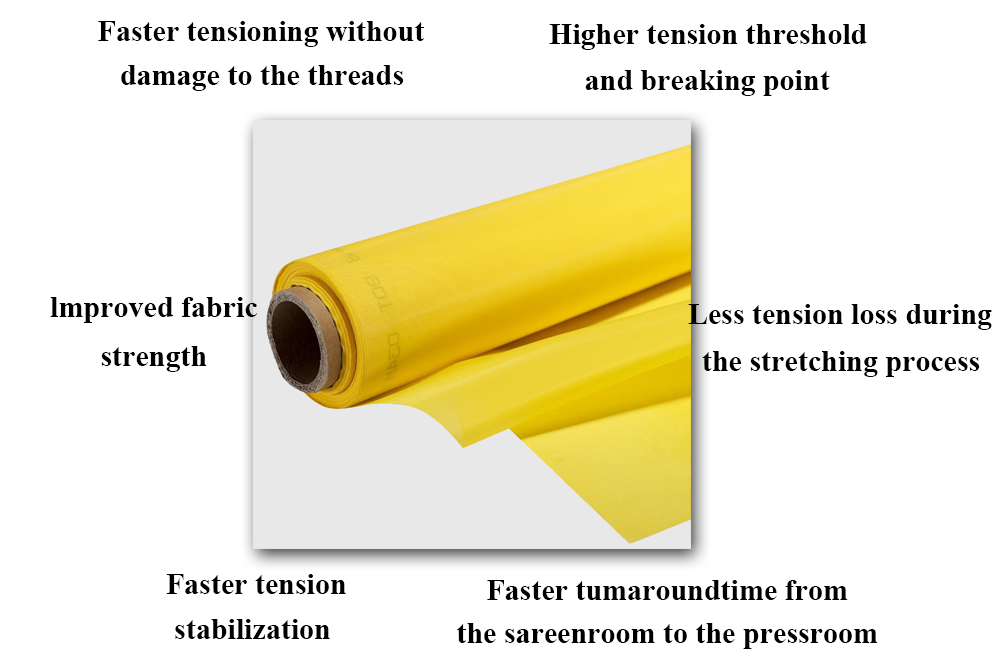
- Low elasticity and high tension are listed as material characteristics, useful considerations when preparing a screen for printing work.
- Accurate standard mesh is specified to support uniformity across the woven material.
- Imported weaving machines and material are listed as part of the production description.
- Acid resistance and alkali resistance are stated properties of the mesh.
- Various colors and mesh types are available, with options described for filtering, waterproofing, and printing functions.
These construction details help buyers assess how the mesh may fit their screen preparation and production workflow. A consistent woven structure is relevant when setting up screens for repeat work, while the stated low elasticity and high tension characteristics can be considered during tensioning and handling. As with any screen material, follow the preparation and cleaning practices appropriate to the chosen process, and inspect the mesh before use to check that it is suitable for the planned print job.
The available colors and mesh selections give users flexibility when choosing material for different printing or other listed functions. Select according to the application rather than assuming one mesh count or color is suitable for every job. The specification range and application guidance below can help frame that choice.
Applications and mesh-count selection
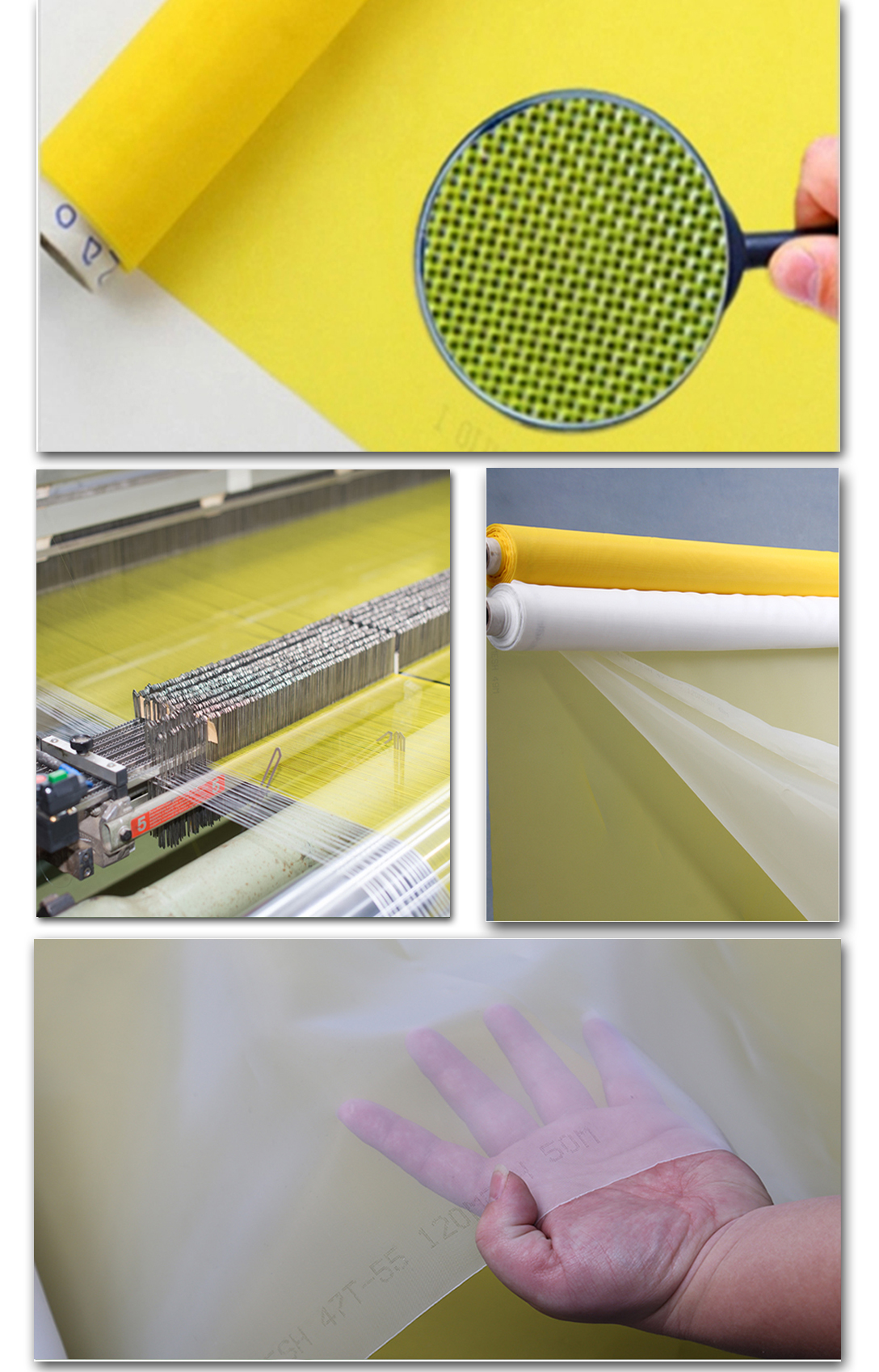
The listed applications include ceramic, PCB, textile, glass, large poster, membrane switch, packing, screen, image, and medical equipment printing. This range makes the mesh relevant to buyers working across different print surfaces and production tasks. Choose the mesh count with the design, substrate, and printing requirements in mind, and check compatibility with the process before preparing a screen.
Choosing a mesh count
- 60 mesh: A coarse mesh count for use with glitter inks.
- 86/90 mesh: Recommended for printing opaque white or light colors onto dark fabric to allow maximum opacity.
- 110 mesh: Recommended for general textile work, including printing light on dark and dark on light.
- 125/160 mesh: Recommended for general textile work involving some finer detail or line work.
- 180/200 mesh: Listed for textiles, smooth and light fabric, half-tone, and general work.
- 230/250 mesh: Listed for textiles, extremely light material, graphics, and general work.
- 305/355 mesh: Listed for process work.
The guidance positions 110 mesh as a general-purpose textile option, while other counts are associated with particular ink, detail, material, or process needs. Comparing these recommendations with the work at hand can help narrow down a suitable count. The title identifies this item as 110 white screen mesh with 55 micron thread; the wider selection guidance describes additional counts available for different applications.
Packing and shipping
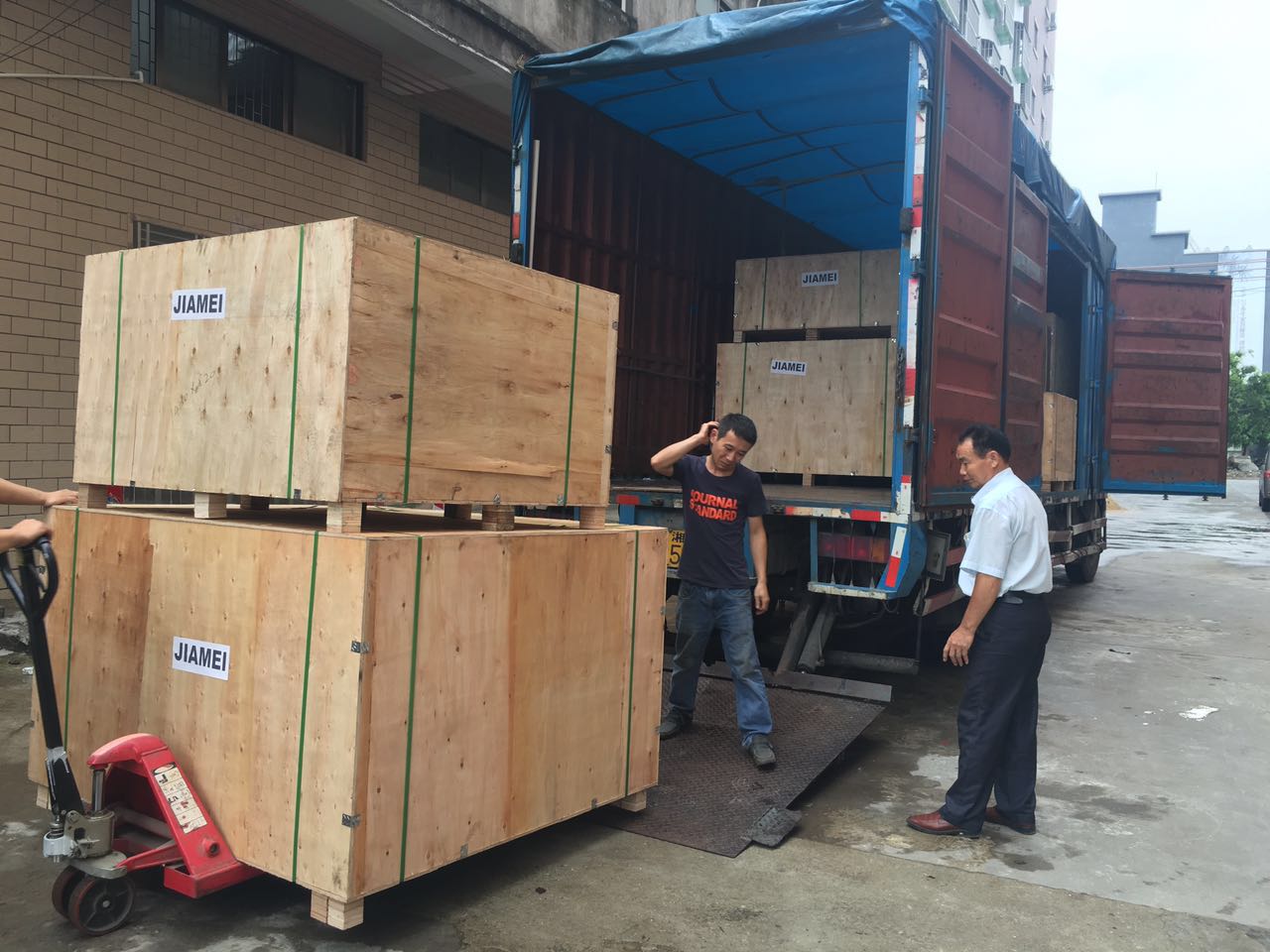
The product information lists a standard length of 50 m per roll and multiple available widths. Confirm the required mesh count, color, width, and order quantity for your application when arranging a purchase. Reviewing those details in advance supports material planning and helps align the selected screen mesh with the screens and production work in your facility.