
Need Help?
Our engineers can confirm the specification, voltage and shipping cost for your market.
Send InquiryUniversal Silk Screen Printing Diazo Photo Emulsion
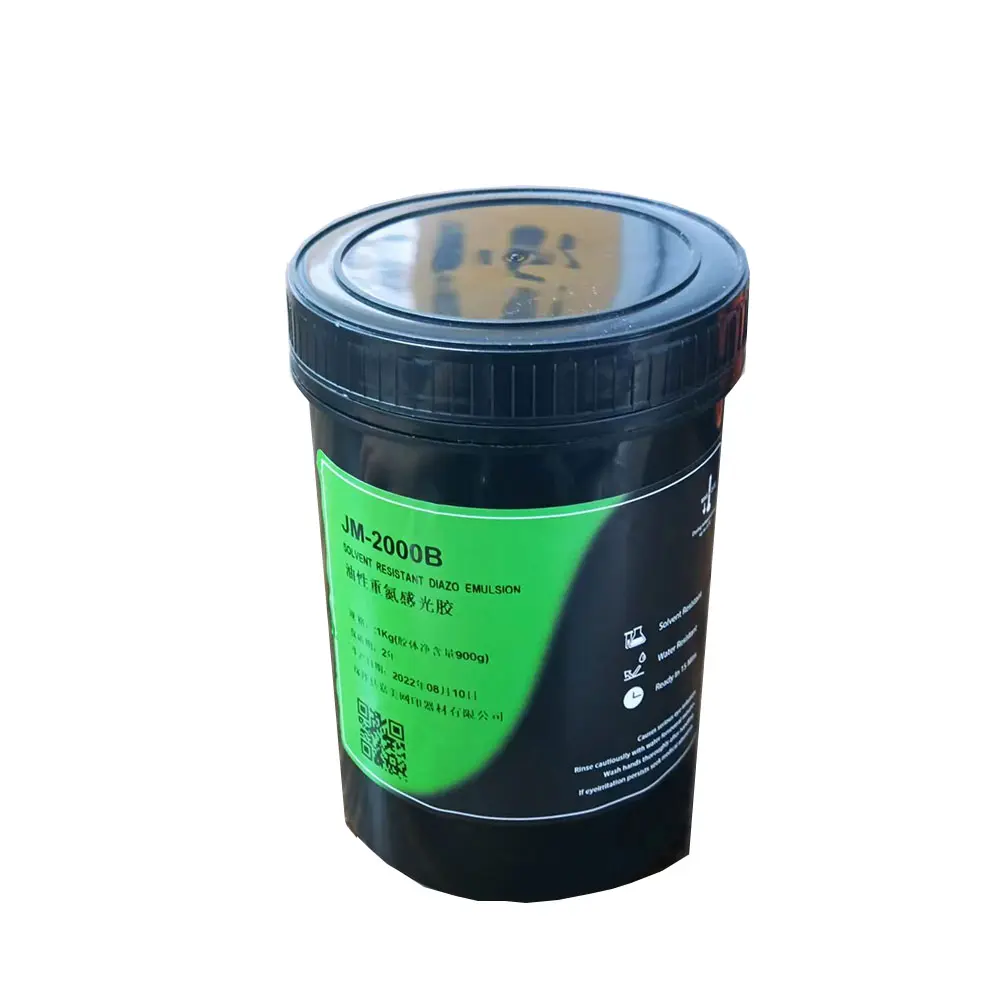
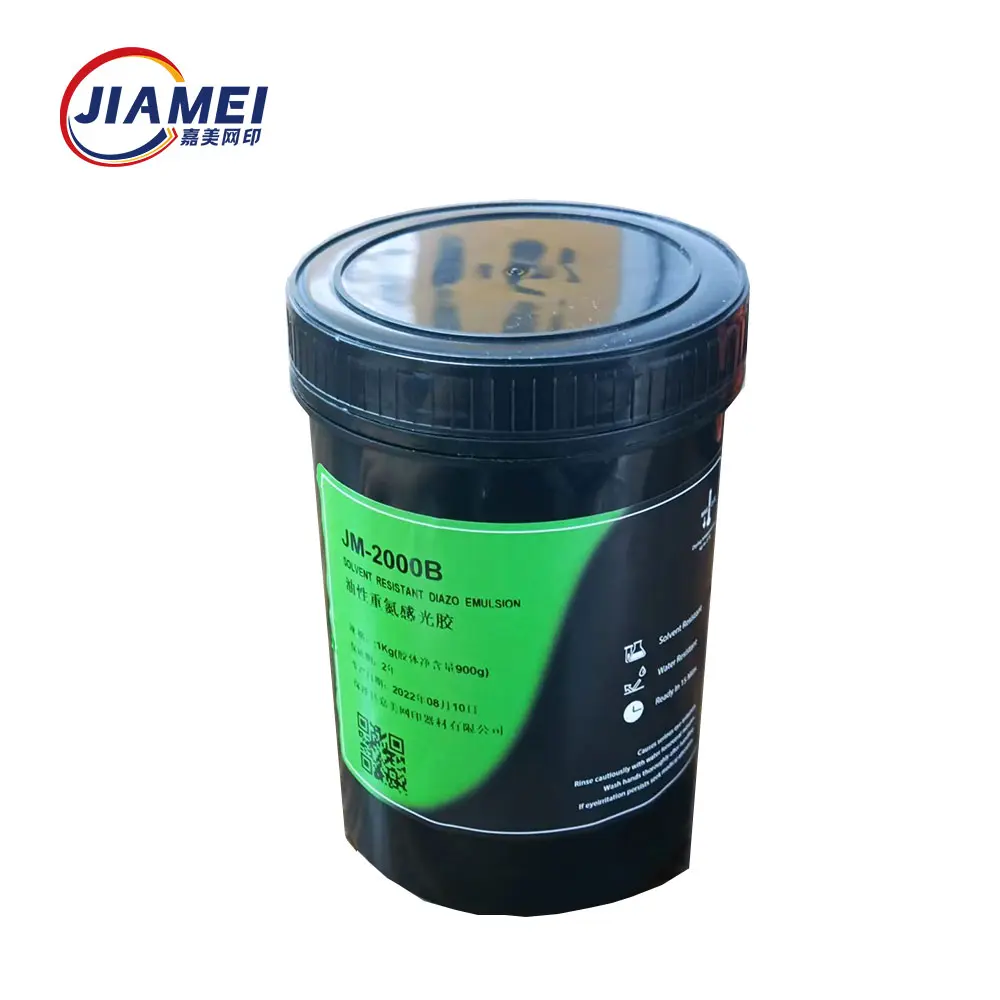
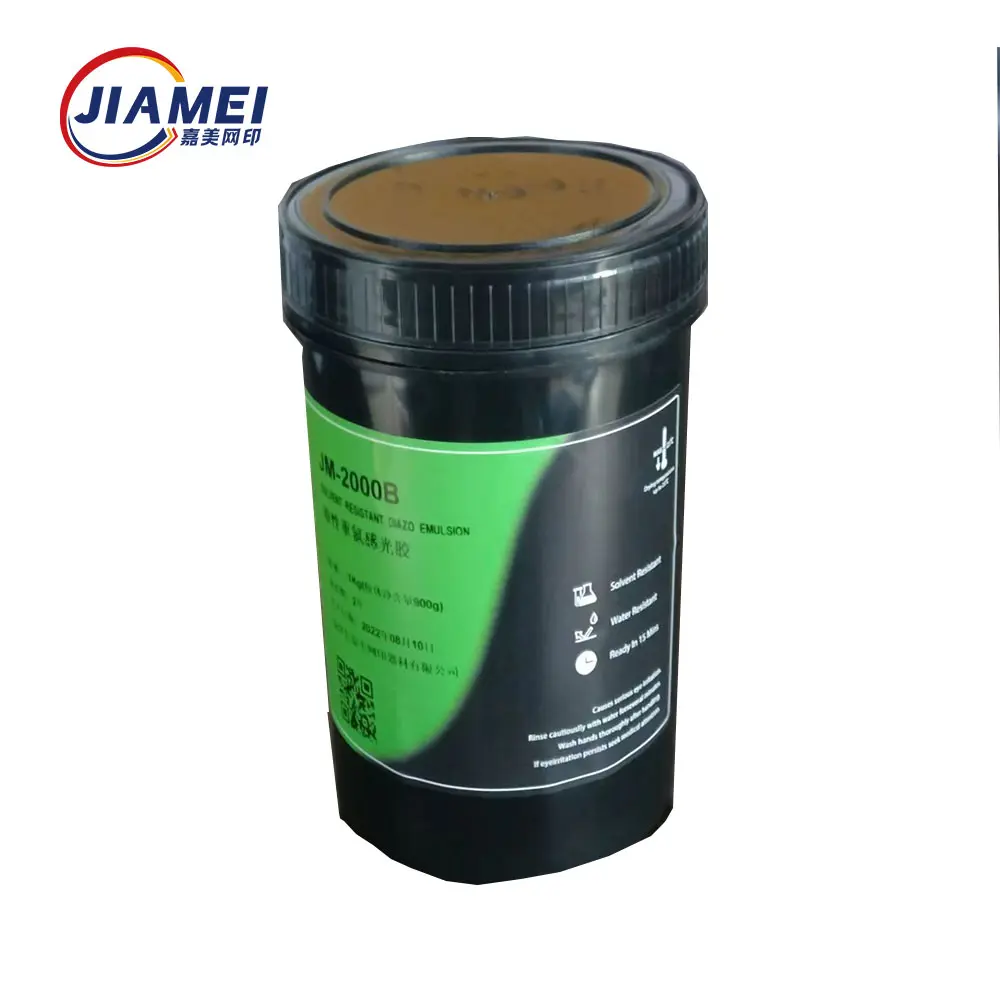
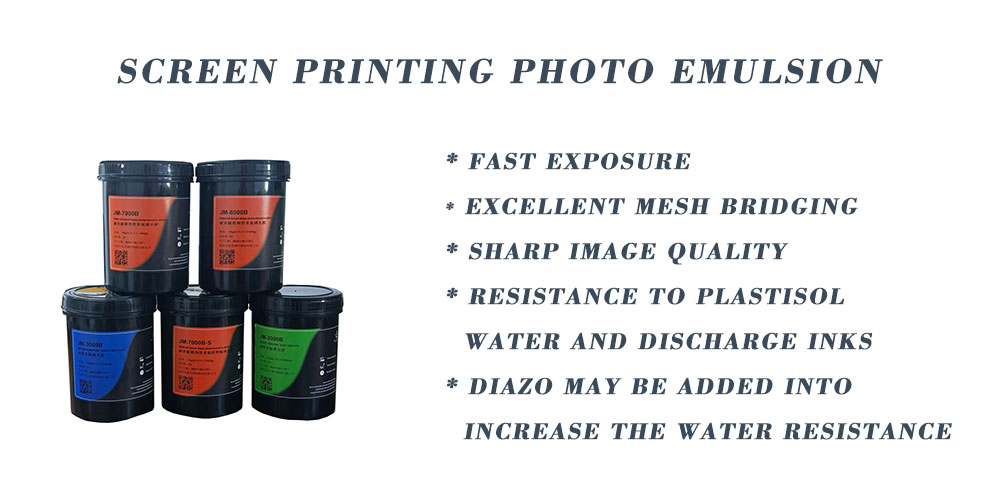
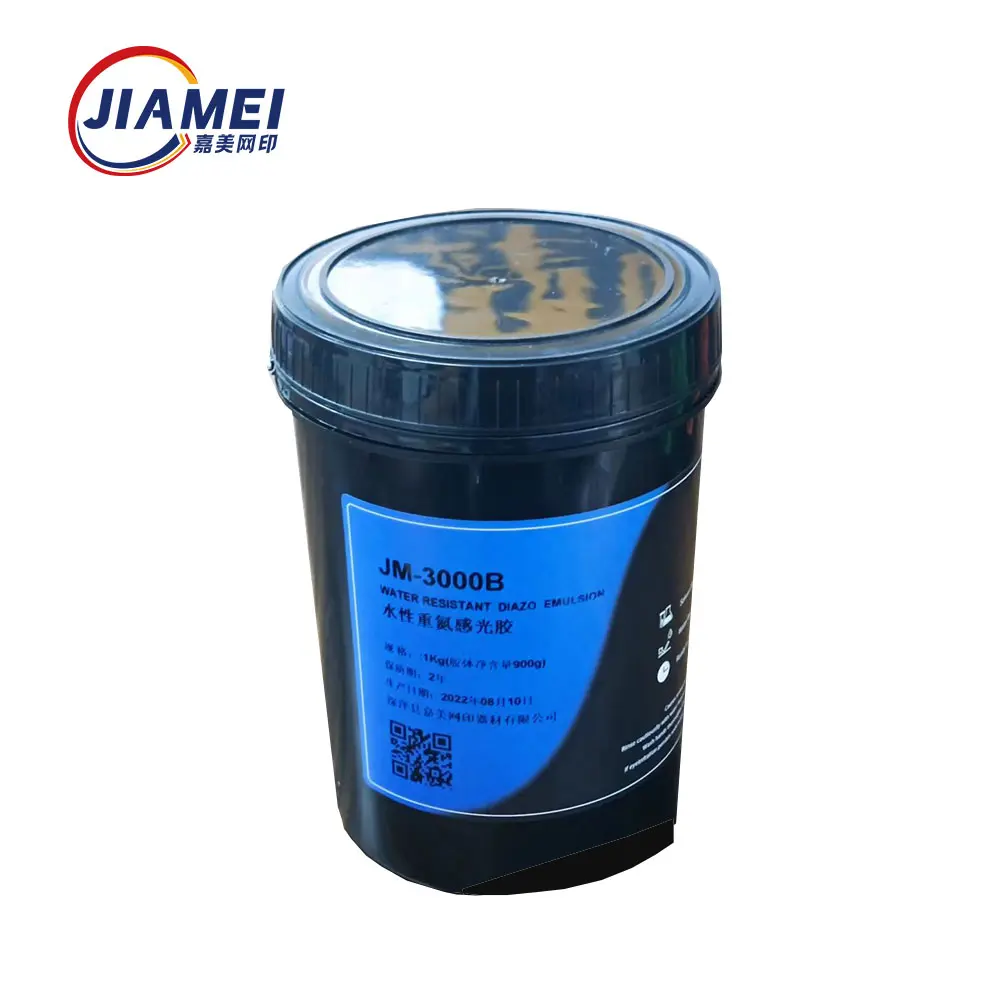
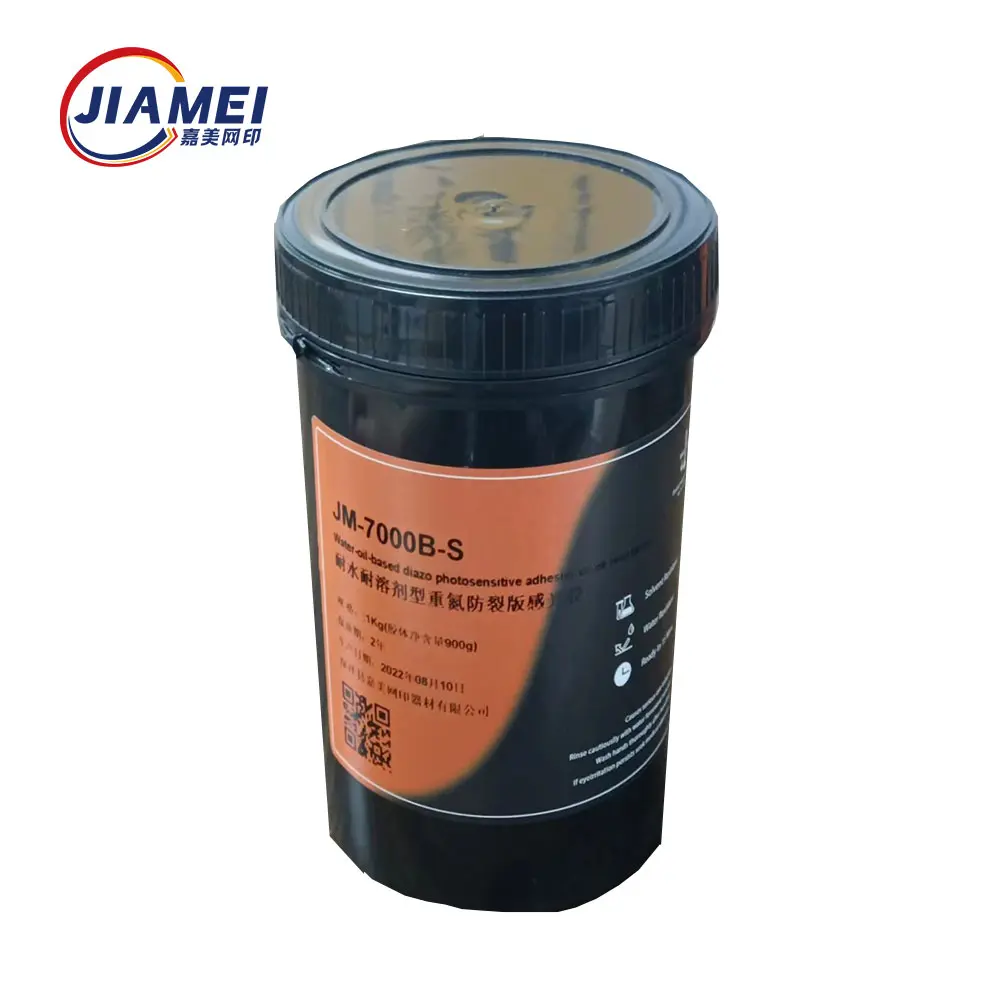
Photo emulsion and inkjet printing film are both widely used photosensitive materials in screen printing. Photo emulsion is available as a single-component or two-component product. Single-component emulsion is supplied with the sensitizer already mixed into the latex and is ready to use without additional preparation. For a two-component emulsion, dissolve the sensitizer in water according to the specified formula, add it to the latex, and mix thoroughly. Allow the mixture to stand for 1–2 hours, until the bubbles have completely disappeared, before use.
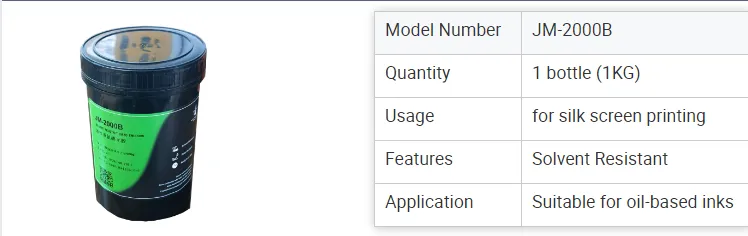
Screen-printing photo emulsions are generally classified as solvent-resistant or water-resistant, and the right type depends on the ink and printing application.
Solvent-resistant emulsion withstands various organic solvents and is suitable for oil-based inks. Water-resistant emulsion is intended for water-based inks, including water-soluble printing coatings such as textile printing pastes. Screens made with solvent-resistant emulsion can be stripped and reclaimed; water-resistant emulsion generally cannot be reclaimed by stripping. Nylon and diazo emulsions are among the special water-resistant types. Select an emulsion suited to the print substrate and consult the relevant product manual.
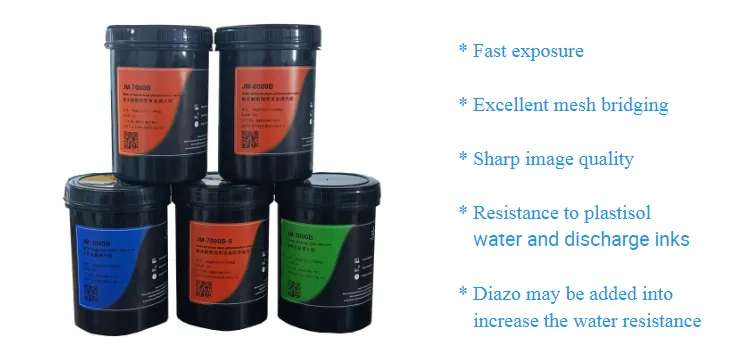
Photo emulsion is a photosensitive material used to create screen-printing plates by the direct method. It is available in single-component and two-component formulations. In single-component emulsion, the sensitizer is blended into the latex during production, so the emulsion can be coated without preparation. For two-component emulsion, first dissolve the sensitizer as directed by the formula, then disperse and mix it into the latex. Allow the mixture to defoam before coating. Emulsions are also selected according to ink type: solvent-resistant formulas withstand various organic solvents and suit oil-based inks, while water-resistant formulas are designed for water-based inks, including textile printing pastes. Solvent-resistant screens can be stripped and reclaimed, whereas water-resistant screens generally cannot be reclaimed by stripping. Special water-resistant options include nylon and diazo photo emulsions. Choose the appropriate product for the printing application and refer to the relevant manual.