
Need Help?
Our engineers can confirm the specification, voltage and shipping cost for your market.
Send InquiryA3 A4 Dtf Film
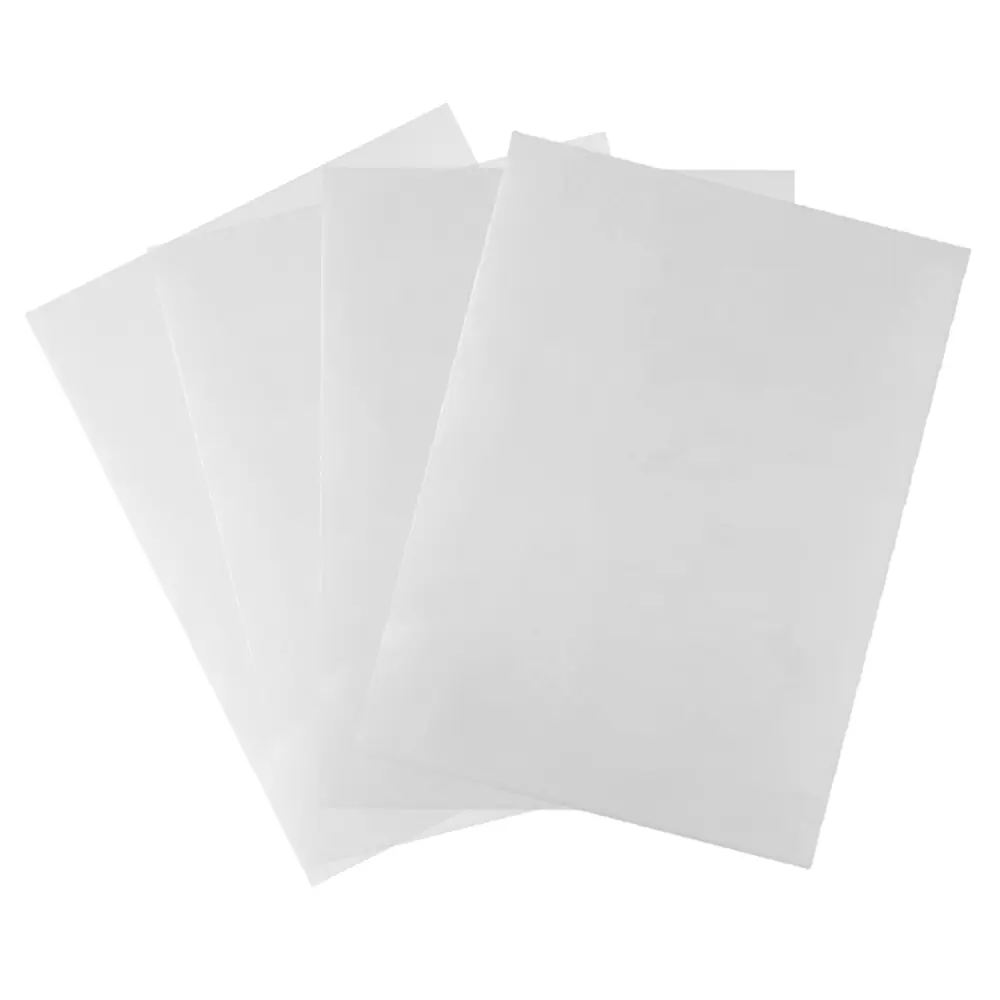
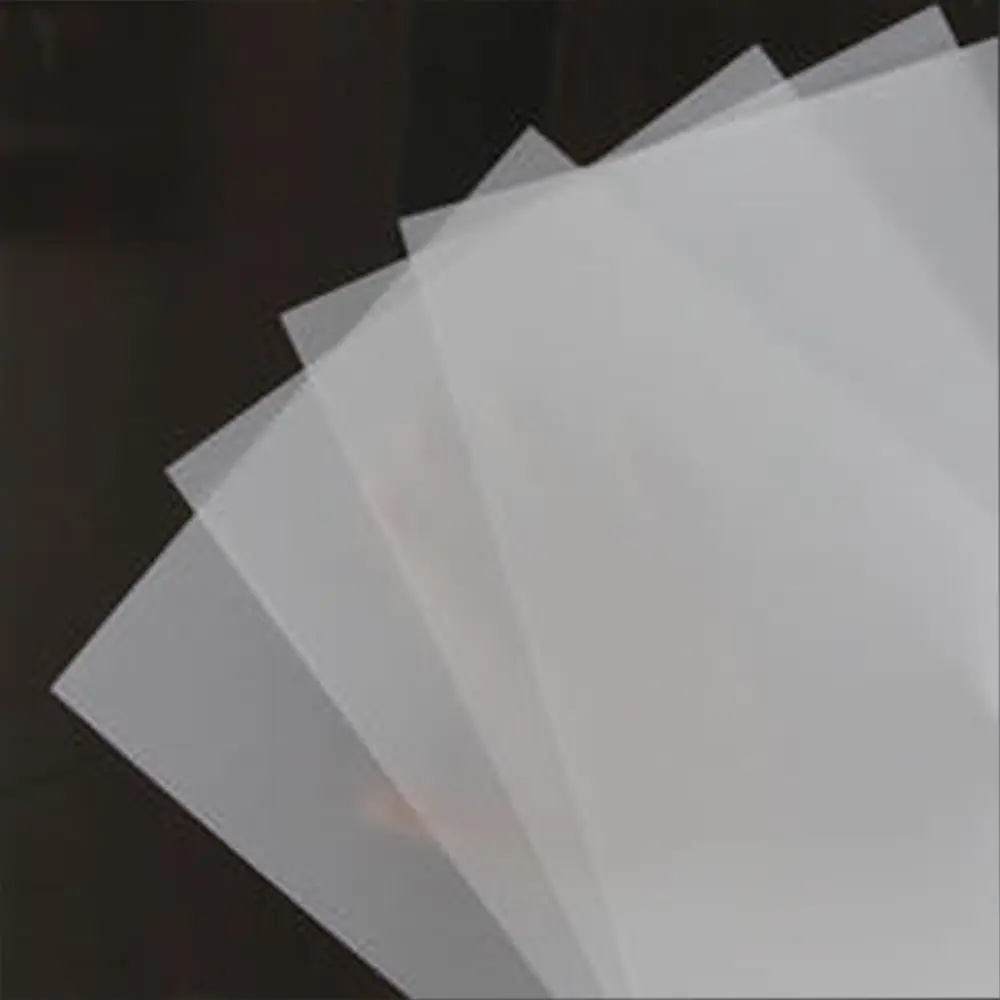
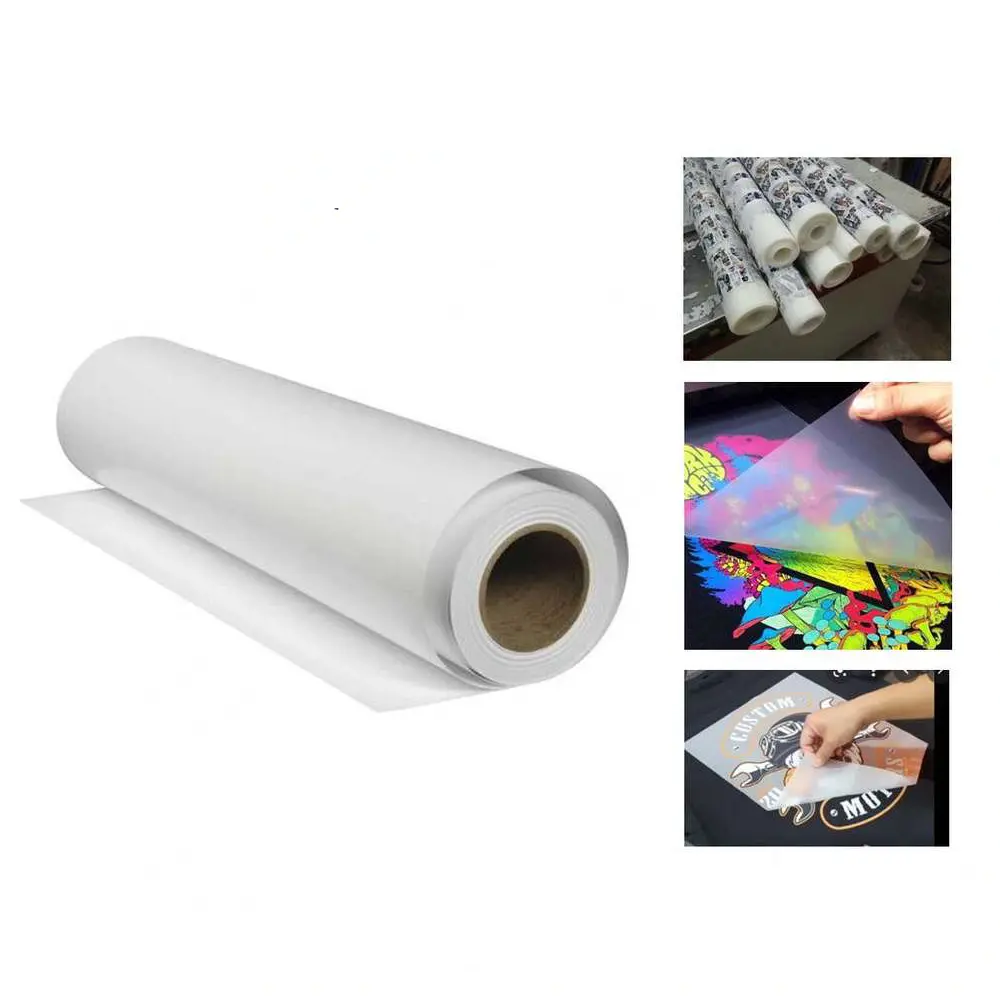
A3 A4 DTF Film for Direct-to-Film Printing
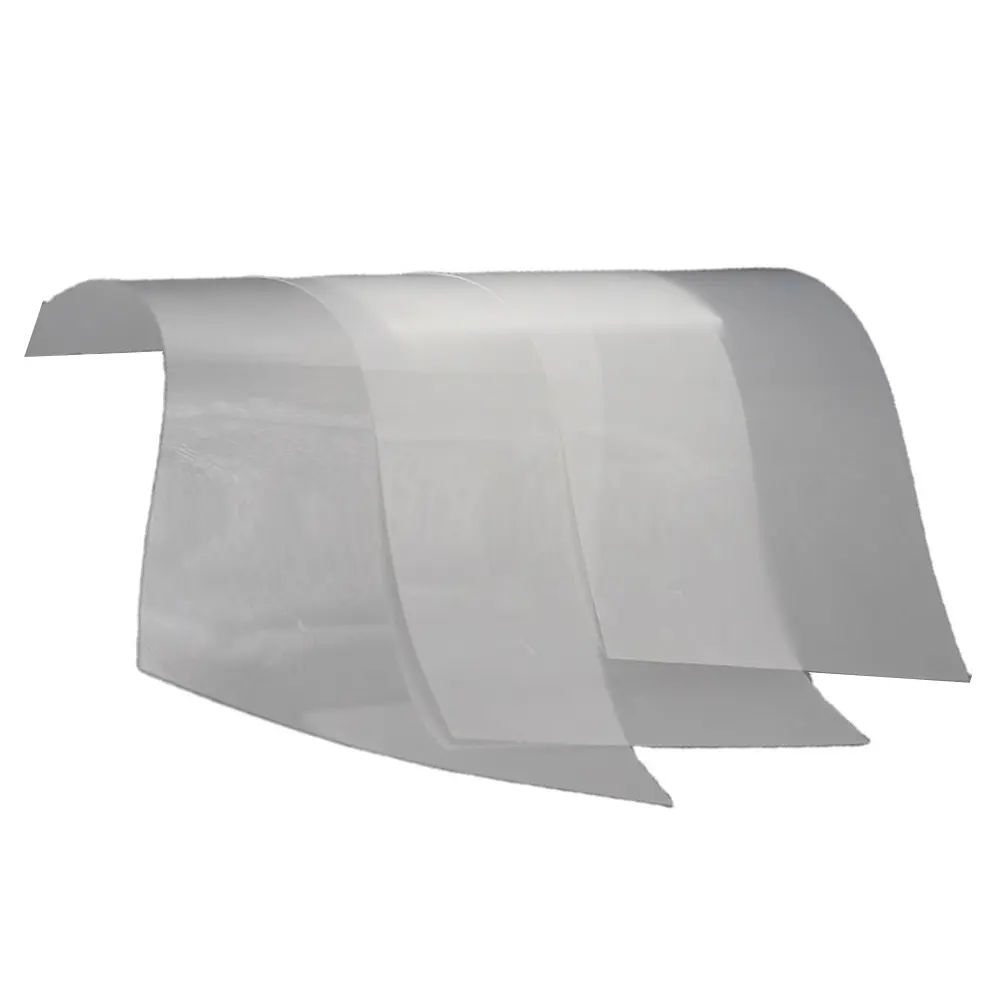
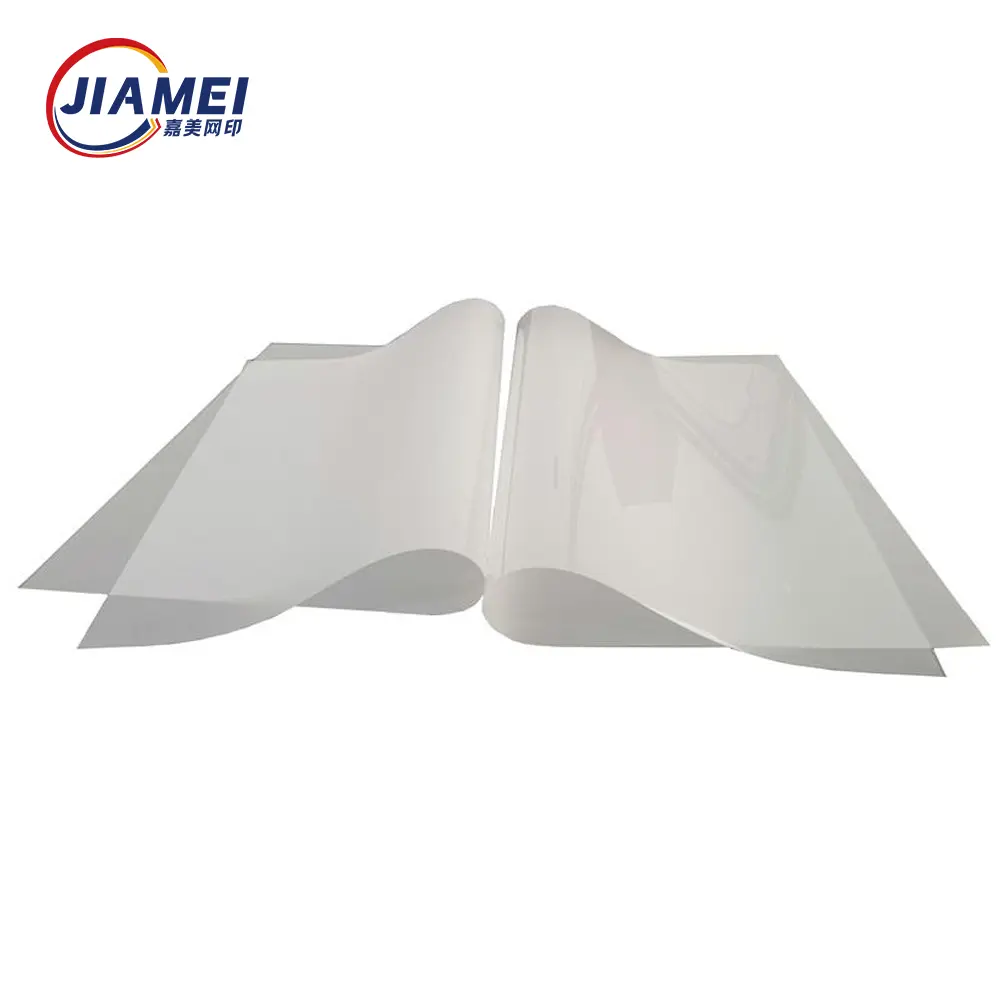
A3 A4 DTF film is a PET printing film for DTF transfer and clothing decoration. Also known as DTF transfer film or direct transfer film, it provides a surface for printing a designed image before that image is prepared for heat transfer. This format is intended for use with DTF pigment inks and DTF powder, making it a component of a direct-to-film printing workflow rather than a standalone transfer product. The listed sizes are A3 and A4, allowing users to select the format appropriate to their artwork and production needs.
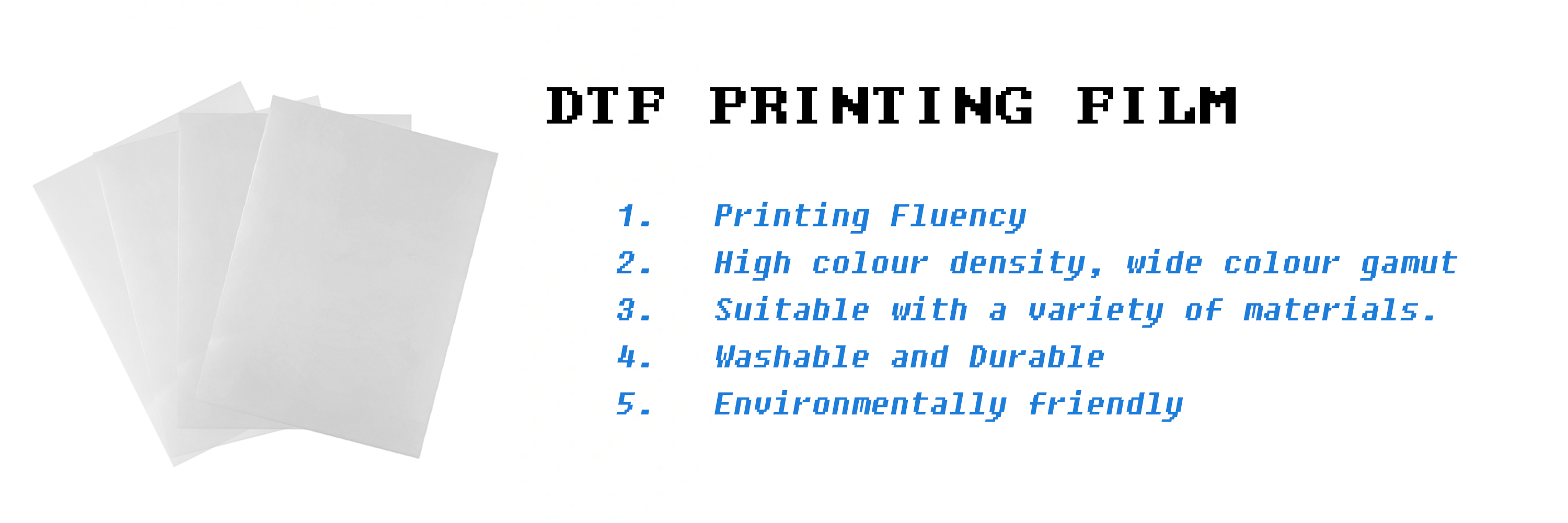
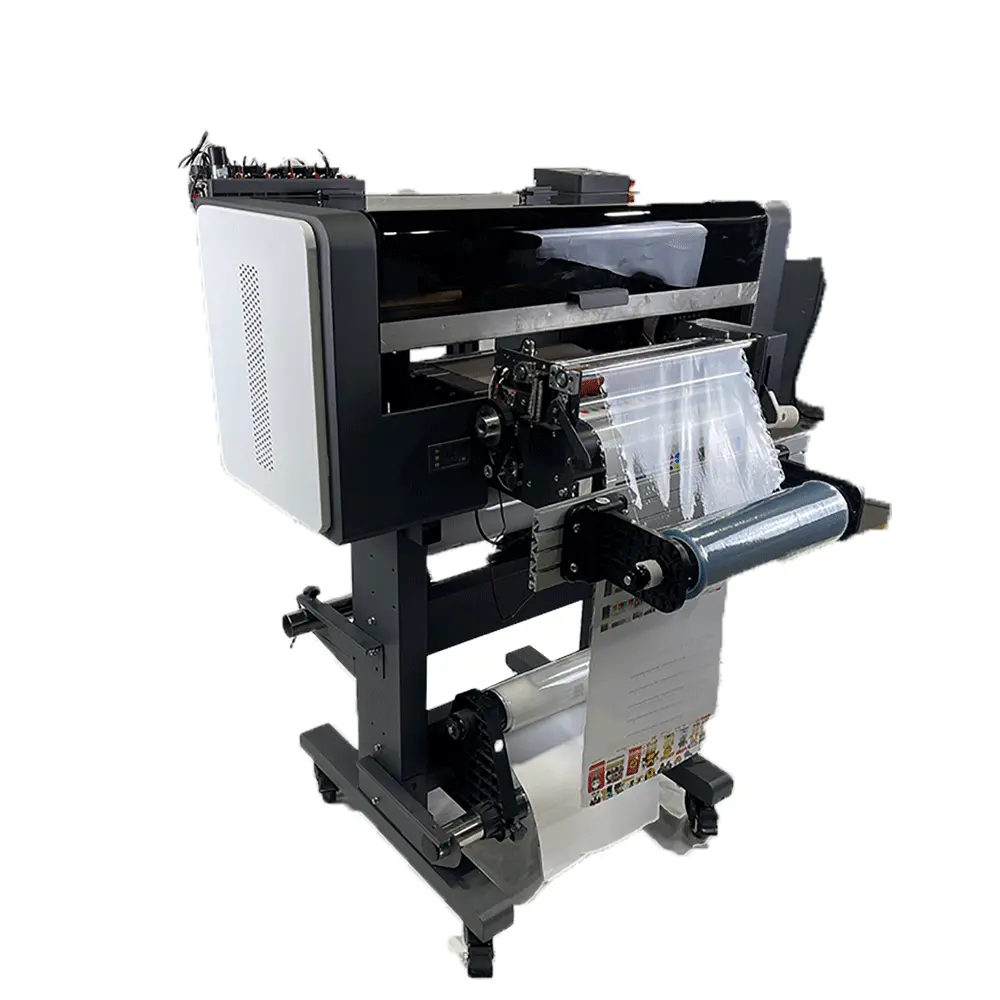
In this process, the design is printed onto the coated PET film using a DTF printer. DTF powder is applied to the printed design and the powder is baked so it melts. The prepared image is then transferred onto fabric using a heat transfer machine or an electric iron. After the heat transfer process, the print needs to be cold peeled. Following the intended order of printing, powder application, baking, transfer and cold peeling helps make the film part of a practical, repeatable decoration workflow.
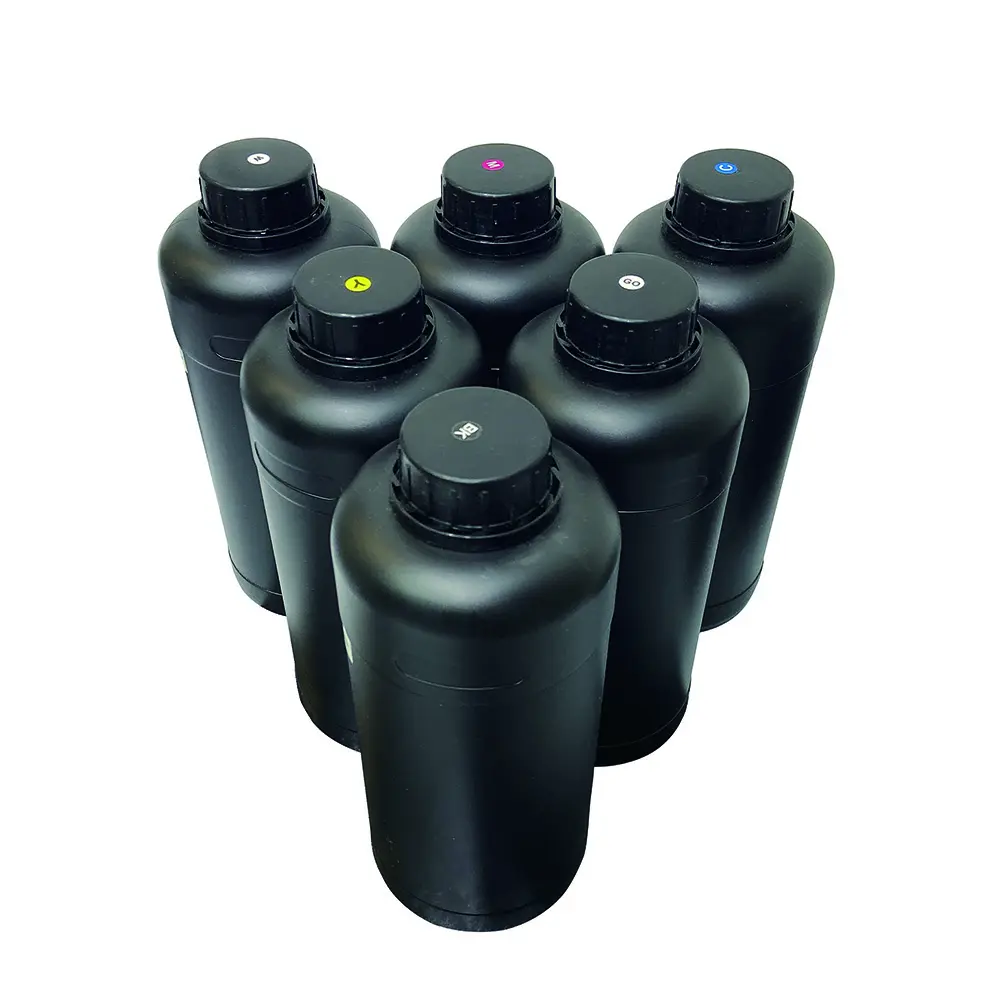
This film is described as water soluble and supports DTF pigment inks. The product name is DTF Transfer Film / DTF Film, and the listed brand name is JM-A3 A4 FILM. Use it with compatible DTF inks and powder, and follow the operating instructions for the printer and heat-transfer equipment in use.
Fabric Compatibility and Finished-Print Feel
A3 A4 DTF film is intended for heat-transfer applications on a range of fabrics and related products. Listed materials include cotton, polyester, 50/50 blends, leather and spandex, as well as other suitable materials. The transferred design can be used on both dark and light fabric, making the film useful for varied garment colors and customization requirements. Because the transfer process places a printed design onto the selected item, it can support small-batch personalization, coordinated apparel and other clothing decoration work.
The product is described as having a great soft hand feel, good stretch and durability. These qualities can be valuable for apparel that is worn and handled, particularly when the finished garment needs to remain comfortable while accommodating movement. The source also describes color retention and resistance to multiple washing for the transferred image. Actual results depend on following the appropriate printing and transfer process and on the fabric and equipment being used; no specific wash count or performance test value is stated.
The film may be considered for personalized T-shirts, team clothes, work clothes, advertising shirts and jerseys. The described applications also include bags and other products. This range makes A3 A4 DTF film relevant to apparel decorators, custom-print businesses, teamwear suppliers and users producing designs for individual projects. Whether preparing one personalized item or designs for a group, the transfer workflow allows artwork to be printed on the film and applied to suitable products with heat-transfer equipment.
Product Details and Printing Workflow
The film works as an intermediate carrier for a design: artwork is printed onto the coated PET surface, powder is applied to the printed image, and baking melts the powder before the design is transferred. A heat transfer machine or electric iron can be used for the transfer step, according to the source description. Once the heat transfer process is complete, allow the print to cold peel. Using the film in this sequence connects digital artwork preparation with decoration on a fabric or other suitable product.
For production planning, choose between the listed A3 and A4 film sizes based on the job and the design being printed. Prepare the required DTF printer, DTF pigment inks and DTF powder before beginning. Keep the printed design and transfer materials organized through powder application and baking, then complete the heat transfer and cold-peel steps. These workflow reminders describe the stated application and do not add unlisted machine settings or processing measurements.
| Product name | DTF Transfer Film / DTF Film |
| Brand Name | JM-A3 A4 FILM |
| Material | PET |
| Application | Clothing |
| Type | Heat Transfer |
| Usage | Printing Film |
| Feature | Water Soluble |
| Ink Support | DTF Pigment inks |
| Size | A3 A4 |
The table summarizes the listed product information for easy reference. PET identifies the film material, while heat transfer describes its type and printing film its usage. Clothing is the stated application, and DTF pigment inks are the stated ink support. Use these details to check that the film matches the intended DTF workflow and planned transfer application.
Use, Handling and Application Value
DTF printing can be useful when a design needs to be transferred to different fabric colors, including both dark and light items. Rather than limiting a design to a single garment color, the described process allows a printed image prepared on film to be transferred to suitable products in a range of colors. This can help with custom apparel, team orders, workwear, promotional shirts and other personalized projects. The film is also applicable to cotton canvas and cotton-polyester blended fabric according to the product description.
For consistent day-to-day handling, keep the stages of the DTF process clear: print with compatible inks, apply the required powder, bake the design to melt the powder, transfer it with heat, and cold peel after the transfer process. Select A3 or A4 based on the print job and follow the equipment guidance for your particular printer and heat-transfer method. The product information does not specify temperature, pressure, time, film thickness or roll length, so those values should be taken from the instructions supplied for the equipment and materials being used.
A3 A4 DTF film combines a clear stated material and application with a workflow suitable for a variety of clothing and related decoration projects. Its stated soft hand feel, stretch and durability describe the desired qualities of the finished transfer, while the film itself supports the printing and transfer steps. Use it as part of a compatible DTF setup and verify the suitability of the target fabric before production. These practical considerations help businesses and individual makers plan artwork, prepare materials and apply transfers with an understanding of the product’s listed use.